EN
EN



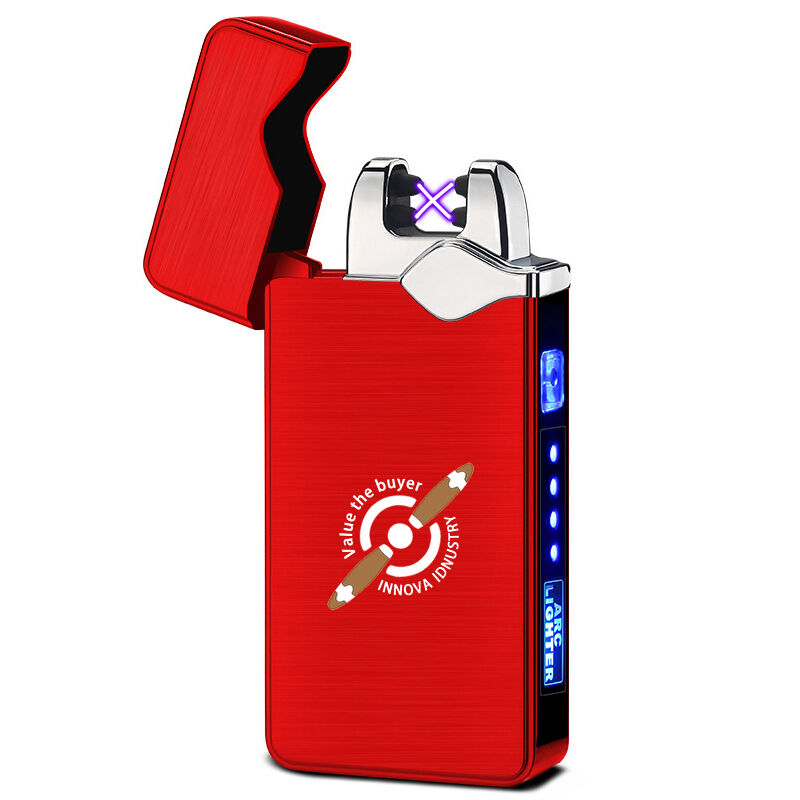
When importing cigar lighters in bulk, quality evaluation becomes a critical factor that directly impacts business success and customer satisfaction. Professional importers understand that thorough assessment before placing large orders can prevent costly returns, warranty claims, and damaged brand reputation. The process requires systematic evaluation of multiple quality parameters, from mechanical functionality to aesthetic appeal. This comprehensive approach ensures that each cigar lighter meets market standards and delivers reliable performance to end users. Understanding the key evaluation criteria helps importers make informed decisions and establish long-term partnerships with reliable manufacturers.
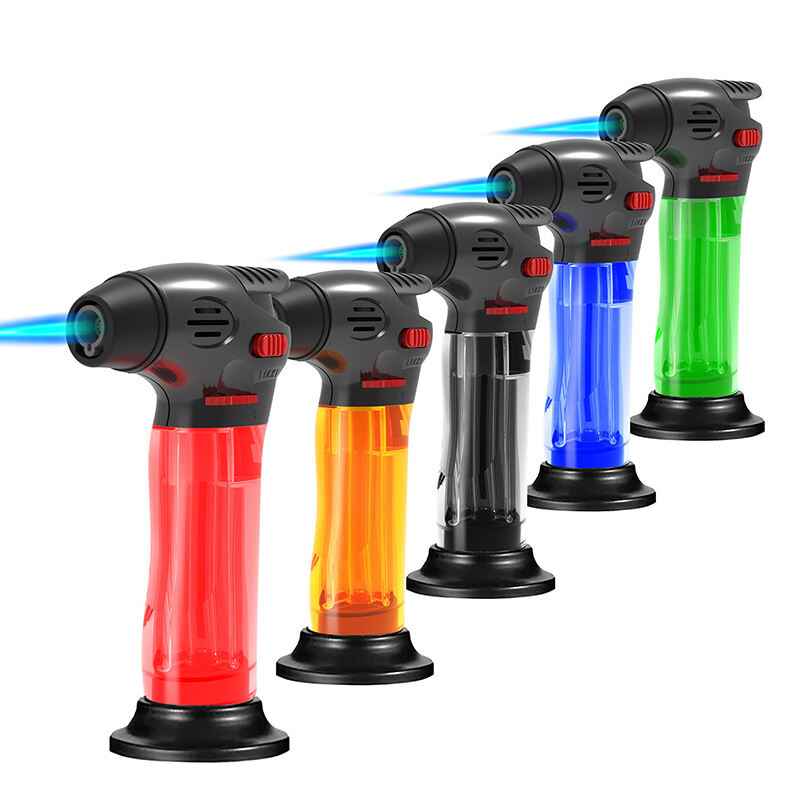
Essential Quality Assessment Parameters
Flame Consistency and Reliability
The primary function of any cigar lighter revolves around producing consistent, reliable flames that ignite every time. Quality assessment begins with testing the ignition mechanism across multiple attempts, ensuring the striker wheel or piezo ignition system operates smoothly without excessive force. Professional importers typically request sample batches to conduct flame testing under various conditions, including different ambient temperatures and altitudes. The flame should maintain steady height and intensity throughout the fuel capacity, without flickering or sudden extinctions during normal use.
Wind resistance capabilities represent another crucial aspect of flame performance evaluation. Premium cigar lighters incorporate windproof designs that maintain stable flames even in challenging outdoor conditions. Testing involves exposing the lighter to controlled air currents while monitoring flame stability and fuel consumption rates. Consistent performance across these tests indicates superior manufacturing quality and appropriate material selection for the ignition components.
Build Quality and Durability Standards
Physical construction quality directly correlates with product longevity and customer satisfaction rates. Importers should examine the weight distribution, ensuring the lighter feels substantial without being unnecessarily heavy. The housing materials, whether metal alloys or high-grade plastics, must demonstrate resistance to cracking, warping, or discoloration under normal usage conditions. Joint tolerances between moving parts require careful inspection, as excessive gaps or tight fits can indicate manufacturing inconsistencies.
Surface finishing quality reveals the manufacturer's attention to detail and production standards. Smooth edges, uniform coating application, and consistent color matching across units indicate professional manufacturing processes. Importers should examine multiple samples for finish variations, checking for scratches, dents, or other cosmetic defects that could affect retail presentation. Quality manufacturers typically provide detailed specifications regarding acceptable tolerance ranges for visual and tactile characteristics.
Performance Testing Methodologies
Fuel System Evaluation
The fuel delivery system requires comprehensive testing to ensure optimal performance throughout the product lifecycle. Importers should verify that fuel tanks maintain proper pressure without leakage, testing both filled and empty conditions. The refill mechanism must operate smoothly, allowing users to replenish fuel without difficulty or spillage. Quality assessment includes checking valve seals, pressure regulators, and fuel level indicators where applicable.
Fuel consumption rates provide valuable insights into efficiency and design optimization. Professional evaluation involves measuring burn time per fuel volume under controlled conditions, comparing results against manufacturer specifications. Consistent consumption patterns across multiple units indicate standardized manufacturing processes and quality control measures. Variations in fuel efficiency may signal production inconsistencies or component quality issues that require manufacturer attention.
Safety Feature Verification
Safety mechanisms protect users and comply with international import regulations for combustible products. Child-resistant features, where required, must function correctly without impeding normal adult operation. Flame guards and automatic shutoff systems require testing under various scenarios to ensure reliable protection. Professional importers often conduct drop tests and impact resistance evaluations to verify structural integrity under accidental conditions.
Temperature resistance testing ensures the cigar lighter maintains functionality across expected operating temperature ranges. Materials must withstand heat exposure without warping, melting, or releasing harmful substances. Quality manufacturers provide certification documentation demonstrating compliance with relevant safety standards and regulations for the target import markets.
Supplier Assessment and Documentation
Manufacturing Facility Evaluation
Visiting or virtually auditing manufacturing facilities provides crucial insights into production capabilities and quality control systems. Professional importers examine equipment maintenance schedules, worker training programs, and quality assurance protocols. Clean, organized production environments typically correlate with consistent product quality and reliable delivery schedules. Documentation of manufacturing processes helps importers understand production capacity and scalability for future orders.
Quality certification systems demonstrate manufacturer commitment to standardized production methods. ISO certifications, industry-specific quality standards, and third-party testing reports provide objective evidence of manufacturing competence. Importers should request current certification documents and verify their authenticity through appropriate certification bodies. Established manufacturers typically maintain comprehensive quality documentation readily available for customer review.
Sample Testing and Batch Validation
Representative sampling from production batches ensures consistent quality across large orders. Professional importers typically request samples from multiple production runs, testing each batch according to predetermined criteria. Random selection methods prevent manufacturers from cherry-picking superior units for evaluation purposes. Comprehensive testing protocols should include functional testing, durability assessment, and visual inspection procedures.
Third-party testing laboratories provide independent verification of product quality and safety compliance. Professional testing services can evaluate materials composition, performance characteristics, and regulatory compliance for target markets. Independent test results offer objective assessment data that supplements manufacturer claims and internal testing procedures. These reports become valuable documentation for customs clearance and retail partner requirements.
Market-Specific Considerations
Regional Regulatory Compliance
Different markets impose varying regulatory requirements for cigar lighter imports, affecting design specifications and testing requirements. European markets typically require CE marking and compliance with specific safety directives, while North American markets may have different certification requirements. Professional importers research applicable regulations before placing orders, ensuring products meet all necessary compliance standards for their target markets.
Documentation requirements vary significantly between jurisdictions, affecting import procedures and customs clearance processes. Proper certification, test reports, and manufacturing documentation facilitate smooth customs processing and reduce potential delays. Importers should work with manufacturers who understand international compliance requirements and can provide appropriate documentation packages for different destination markets.
Customer Preference Analysis
Understanding target customer preferences guides quality evaluation priorities and product selection decisions. Premium market segments typically demand superior materials, refined aesthetics, and enhanced functionality features. Budget-conscious consumers may prioritize basic functionality and competitive pricing over advanced features. Professional market research helps importers align product specifications with customer expectations and competitive positioning requirements.
Aesthetic preferences vary significantly across different cultural markets and demographic segments. Color schemes, design elements, and packaging presentations that appeal to one market may not resonate with another. Importers should evaluate visual appeal factors alongside functional performance characteristics, ensuring products align with local market preferences and competitive landscape requirements.
FAQ
What is the minimum sample size needed for reliable quality evaluation
Professional importers typically request samples representing at least 1-2% of the intended order quantity, with a minimum of 50-100 units for statistical significance. This sample size allows for destructive testing, long-term reliability assessment, and visual inspection while maintaining representative data quality. Larger orders may require proportionally larger sample quantities to ensure adequate testing coverage across production batches.
How long should the testing period last before placing large orders
Comprehensive evaluation periods typically range from 4-8 weeks, depending on the complexity of testing requirements and product specifications. This timeframe allows for functional testing, durability assessment, regulatory compliance verification, and market feedback collection. Rush evaluations may compromise testing thoroughness and increase the risk of overlooking critical quality issues that could affect large order success.
What documentation should manufacturers provide during quality evaluation
Essential documentation includes manufacturing specifications, quality control procedures, material certificates, safety compliance reports, and production capacity information. Professional manufacturers should also provide test reports from certified laboratories, ISO certifications, and detailed product manuals. This documentation package supports import procedures, retail partner requirements, and customer service needs throughout the product lifecycle.
How can importers verify manufacturer claims about product performance
Independent third-party testing provides objective verification of manufacturer performance claims and specifications. Professional importers can engage certified testing laboratories to conduct comprehensive evaluations according to international standards. Additionally, requesting customer references, visiting manufacturing facilities, and conducting extended field testing help validate manufacturer representations about product quality and performance characteristics.