EN
EN




Sourcing durable cigar boxes for commercial use requires a strategic approach that balances quality, cost, and supplier reliability. Commercial tobacco retailers, cigar lounges, and distribution businesses need packaging solutions that protect premium products while maintaining brand integrity throughout the supply chain. The selection process involves evaluating material quality, construction methods, customization capabilities, and long-term partnership potential with manufacturers.
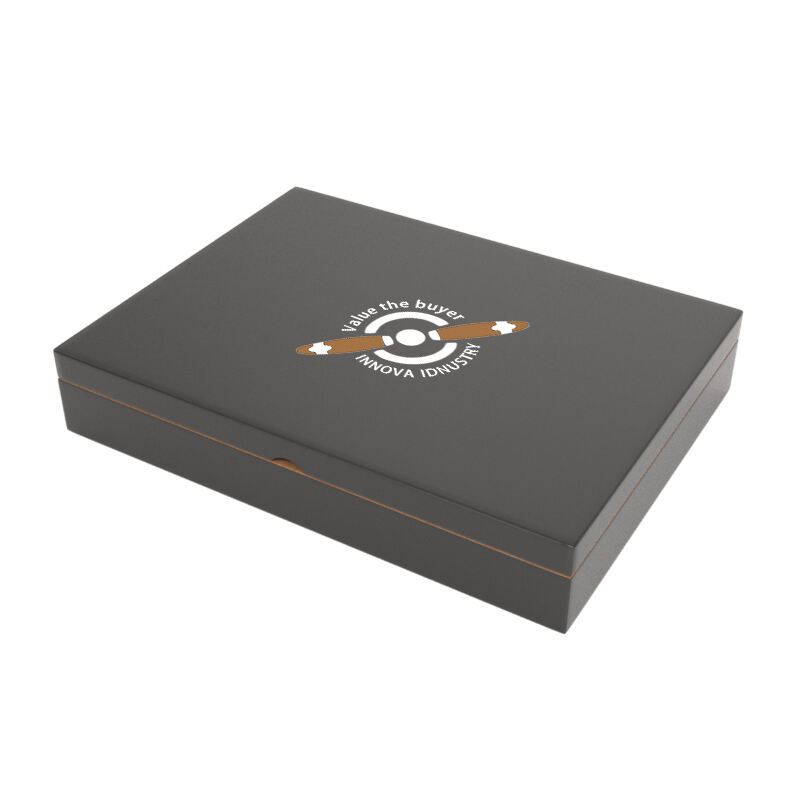
The commercial cigar box market demands packaging that withstands transportation stress, humidity variations, and extended storage periods. Professional buyers must understand the technical specifications that differentiate high-quality cigar boxes from inferior alternatives. This sourcing process directly impacts product presentation, customer perception, and ultimately business profitability in the competitive tobacco retail market.
Understanding Commercial-Grade Cigar Box Requirements
Material Specifications for Durability
Commercial cigar boxes must withstand significantly more stress than consumer-grade packaging. The wood selection becomes critical, with cedar remaining the preferred material due to its natural oils that repel insects and regulate moisture. Spanish cedar offers superior durability compared to other wood types, maintaining structural integrity under varying environmental conditions. The wood thickness should measure at least 4-6mm for commercial applications to prevent cracking during transportation.
Quality cigar boxes feature reinforced corners and precision-cut joints that resist separation under pressure. The construction method directly impacts longevity, with traditional dovetail joints providing superior strength compared to simple butt joints. Commercial buyers should specify mortise and tenon construction for hinged lids to ensure repeated opening and closing without hardware failure. The finish must resist moisture absorption while allowing controlled humidity exchange.
Construction Standards and Quality Indicators
Professional-grade cigar boxes incorporate specific construction features that distinguish them from decorative packaging. The lid alignment must remain precise even after extended use, requiring careful engineering of hinge placement and weight distribution. Internal dividers should fit snugly without excessive pressure that could damage cigars during handling. The box interior should feature smooth surfaces free from rough edges that could tear cigar wrappers.
Hardware selection significantly impacts durability and functionality. Brass or stainless steel hinges resist corrosion and maintain smooth operation under commercial use conditions. The latch mechanism must secure the lid firmly while allowing easy access for inventory management. Quality indicators include consistent wood grain patterns, uniform staining, and precise dimensional tolerances that ensure boxes stack properly in storage and display situations.
Identifying Reliable Suppliers and Manufacturers
Evaluating Manufacturing Capabilities
Sourcing durable cigar boxes requires thorough supplier evaluation beyond basic price comparisons. Manufacturing facilities should demonstrate consistent quality control processes, including wood seasoning protocols and precision cutting equipment. The production capacity must align with commercial order volumes while maintaining quality standards during peak demand periods. Suppliers should provide detailed specifications for wood moisture content, typically between 6-8% for optimal stability.
Quality manufacturers maintain controlled environments for wood storage and assembly processes. The facility should feature climate-controlled storage areas that prevent wood warping before production. Assembly areas require proper ventilation for finishing processes while maintaining dust-free environments. Experienced suppliers can provide samples demonstrating consistent construction quality and finish uniformity across different production batches.
Supplier Qualification and Assessment Process
Commercial buyers must establish comprehensive supplier qualification criteria beyond initial sample evaluation. The assessment process should include facility inspections, quality system reviews, and production capacity verification. Suppliers should demonstrate experience with commercial tobacco packaging requirements and understanding of regulatory compliance issues. Financial stability becomes crucial for maintaining consistent supply relationships over extended periods.
Quality cigar boxes require suppliers with established wood sourcing relationships and inventory management systems. The supplier should maintain adequate raw material stocks to support consistent production schedules. Communication capabilities become essential for managing custom specifications, delivery schedules, and quality issues that may arise during production. Long-term supplier relationships often provide cost advantages and priority treatment during capacity constraints.
Customization Options and Branding Considerations
Design Flexibility and Brand Integration
Commercial cigar boxes serve as powerful branding tools that require careful design consideration beyond basic packaging function. Customization options include laser engraving, embossing, and custom staining that creates distinctive brand identity while maintaining structural integrity. The design process must balance visual appeal with practical requirements for stacking, storage, and display in retail environments. Custom dimensions can optimize product fit while reducing shipping costs through improved packing efficiency.
Branding elements must integrate seamlessly with box construction without compromising durability. Laser engraving provides permanent marking that resists wear during handling and storage. Custom hardware options, including branded hinges and latches, create premium appearance while maintaining functional requirements. Color coordination between wood stains and hardware finishes creates cohesive brand presentation that differentiates products in competitive market environments.
Production Volume and Lead Time Planning
Commercial cigar box sourcing requires careful coordination of production volumes with business forecasting and seasonal demand patterns. Minimum order quantities typically range from 500 to 2000 units depending on customization complexity and supplier capabilities. Lead times for custom cigar boxes generally extend 4-8 weeks from order confirmation to delivery, requiring advance planning for product launches and promotional campaigns.
Production scheduling becomes critical during peak seasons when supplier capacity may be constrained. Early order placement and confirmed production slots help ensure timely delivery for important business periods. Suppliers should provide detailed production schedules and milestone updates throughout the manufacturing process. Quality control checkpoints at key production stages prevent costly delays and ensure final products meet specified requirements before shipment.
Quality Control and Testing Procedures
Inspection Protocols for Commercial Orders
Commercial cigar box purchases require systematic quality control procedures that go beyond visual inspection. The testing protocol should include dimensional verification, joint strength testing, and hardware operation checks across representative sample sizes. Humidity resistance testing ensures boxes maintain structural integrity under varying storage conditions. Drop testing simulates transportation stress to identify potential failure points before products reach commercial use.
Quality control procedures must address both individual box performance and batch consistency. Sampling protocols should examine boxes from different production runs to identify process variations that could affect long-term performance. Color matching verification ensures consistent appearance across large orders that may ship over extended periods. Documentation requirements include inspection reports and certificates of compliance that support warranty claims and quality tracking.
Performance Testing and Durability Validation
Durability testing for commercial cigar boxes involves accelerated aging procedures that simulate extended use conditions. Hinge operation testing requires repeated opening and closing cycles that exceed normal use patterns. Lid alignment checks ensure boxes maintain proper seal characteristics after extended handling. Environmental testing exposes sample boxes to temperature and humidity variations that may occur during storage and transportation.
Stress testing procedures identify potential failure modes before boxes enter commercial service. Corner joint testing applies controlled pressure to verify construction integrity under stacking loads. Surface finish testing evaluates resistance to scratching and staining that may occur during normal handling. Performance validation ensures cigar boxes meet durability expectations while maintaining aesthetic appeal throughout their commercial lifecycle.
Cost Analysis and Budget Planning
Total Cost of Ownership Considerations
Commercial cigar box sourcing requires comprehensive cost analysis that extends beyond initial purchase price to include transportation, storage, and replacement costs. Quality boxes may command higher unit prices but deliver lower total cost of ownership through extended service life and reduced replacement frequency. Volume pricing structures often provide significant cost advantages for larger orders while requiring careful inventory management and cash flow planning.
Hidden costs include quality control inspections, storage requirements, and potential returns for defective products. Shipping costs vary significantly based on box dimensions, weight, and destination distance. Custom packaging may require special handling that increases transportation expenses. Long-term supplier relationships often provide cost stability and priority treatment that justify premium pricing for critical applications.
Value Engineering and Cost Optimization
Cost optimization for cigar boxes involves balancing quality requirements with budget constraints through strategic design choices. Standardizing box dimensions across product lines reduces tooling costs and inventory complexity. Material selection impacts both initial cost and long-term durability, requiring careful evaluation of lifecycle economics. Finish options range from basic staining to elaborate decorative treatments that significantly affect pricing.
Volume consolidation strategies help achieve better pricing through larger order quantities while managing inventory investment. Seasonal ordering patterns can take advantage of supplier capacity variations and promotional pricing. Value engineering discussions with suppliers often identify cost reduction opportunities without compromising essential quality requirements. Long-term contracts may provide pricing stability and guaranteed supply availability during market fluctuations.
FAQ
What is the typical lead time for commercial cigar box orders?
Commercial cigar box orders typically require 4-8 weeks lead time from order confirmation to delivery, depending on customization complexity and supplier capacity. Standard designs may ship faster, while custom branding, special dimensions, or unique finishes extend production time. During peak seasons, lead times may increase due to higher demand, making advance planning essential for business operations.
How do I verify the quality of cigar boxes before placing large orders?
Quality verification involves requesting samples that represent actual production quality, not just showroom examples. Inspect joint construction, wood grain consistency, hardware operation, and finish quality. Request samples from recent production runs rather than older stock. Consider third-party inspection services for large orders, and establish clear quality specifications in purchase agreements with acceptance criteria and rejection procedures.
What minimum order quantities should I expect for custom cigar boxes?
Minimum order quantities for custom cigar boxes typically range from 500 to 2000 units depending on customization level and supplier policies. Simple modifications like custom engraving may have lower minimums, while completely custom designs require larger quantities to justify tooling costs. Some suppliers offer flexible programs for smaller businesses, but expect higher per-unit pricing for smaller orders.
Can commercial cigar boxes be designed to meet specific regulatory requirements?
Yes, reputable suppliers can design cigar boxes to meet specific regulatory requirements including warning label placement, child-resistant features, and compliance markings. However, this requires clear specification of applicable regulations during the design phase. Suppliers experienced in tobacco packaging understand common regulatory requirements and can recommend compliant design solutions that maintain aesthetic appeal while meeting legal obligations.