EN
EN



Understanding how to properly use a cigar humidor is essential for any cigar enthusiast who wants to maintain their collection in optimal condition. A cigar humidor serves as a controlled environment that preserves the moisture content, flavor, and structural integrity of premium cigars through precise humidity and temperature regulation. The process involves more than simply placing cigars inside a wooden box, requiring careful attention to seasoning, monitoring, and maintenance protocols that ensure your investment remains protected and ready for enjoyment.
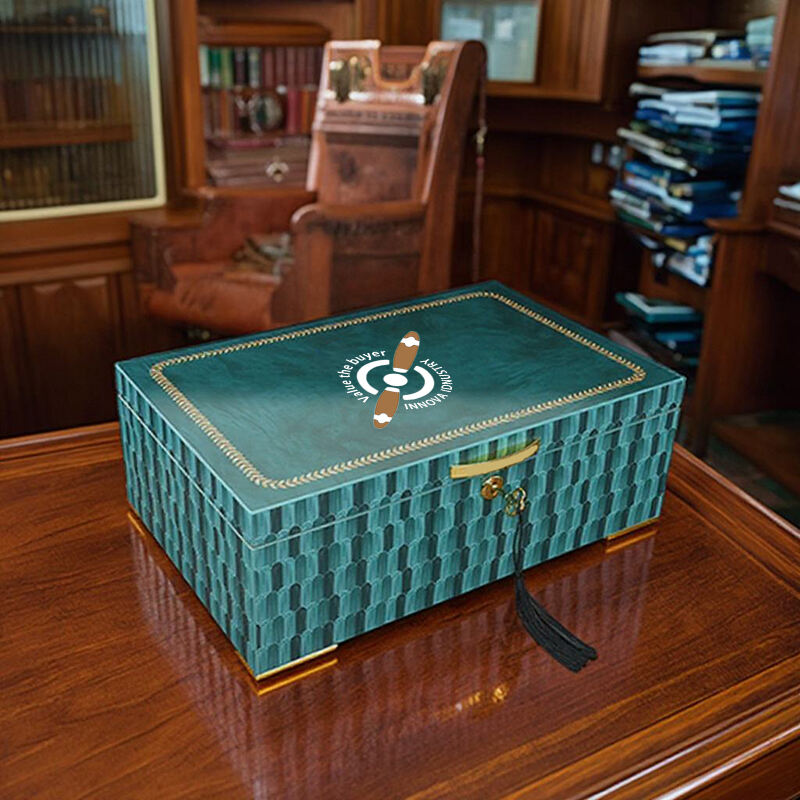
Learning the proper techniques for using a cigar humidor transforms what might seem like a complex process into a straightforward routine that becomes second nature. The key lies in understanding the fundamental principles of humidity control, the importance of proper seasoning procedures, and the ongoing maintenance requirements that keep your cigar humidor functioning effectively. Whether you're working with a desktop model for personal use or a larger cabinet-style unit for extensive collections, the basic operational principles remain consistent while the specific procedures may vary based on size and design features.
Essential Preparation and Seasoning Process
Initial Seasoning Requirements
Before placing any cigars inside your new cigar humidor, the seasoning process must be completed to prepare the Spanish cedar interior for optimal performance. This critical step involves gradually introducing moisture to the wood lining, allowing it to reach equilibrium with the desired humidity levels. The seasoning process typically requires one to two weeks, during which distilled water or a specialized seasoning solution is applied to the interior surfaces using a clean sponge or cloth, avoiding oversaturation that could damage the wood or create warping issues.
During the seasoning phase, place a small dish of distilled water inside the closed cigar humidor along with your humidification device, monitoring the humidity levels daily as they gradually stabilize. The Spanish cedar wood will absorb moisture during this period, expanding slightly to create proper seals while developing the capacity to buffer humidity fluctuations naturally. This preparation phase is crucial because unseasoned wood can actually draw moisture from your cigars rather than maintaining the protective environment they require for proper aging and preservation.
Humidity Device Activation
Activating your humidification system correctly ensures consistent performance throughout the life of your cigar humidor. Whether using traditional foam humidifiers, crystal gel systems, or electronic units, each type requires specific preparation procedures before installation. Foam humidifiers need to be soaked in distilled water or propylene glycol solution until saturated but not dripping, while crystal gel systems require initial charging with distilled water according to manufacturer specifications to achieve optimal moisture retention and release characteristics.
Electronic humidification systems offer precise control but require careful calibration and programming to match your specific cigar humidor dimensions and target humidity levels. These advanced systems often include built-in fans for air circulation and digital displays for real-time monitoring, but they must be properly configured during initial setup to function effectively. Regardless of the humidification method chosen, proper activation and positioning within the cigar humidor ensures even humidity distribution and prevents the formation of dry spots that could compromise cigar quality over time.
Daily Operation and Monitoring Procedures
Temperature and Humidity Control
Maintaining optimal conditions within your cigar humidor requires consistent monitoring of both temperature and humidity levels to ensure cigars remain in peak condition. The ideal humidity range falls between 68-72%, while temperature should remain stable between 68-70°F for most premium cigars. Digital hygrometers provide accurate readings and should be calibrated periodically using salt tests or calibration kits to ensure reliability. Sudden fluctuations in either parameter can cause cigars to expand or contract rapidly, potentially leading to wrapper cracking or other structural damage.
Daily monitoring involves checking your cigar humidor readings and making minor adjustments to humidification levels as needed based on seasonal changes, room conditions, or the number of cigars stored inside. Opening the humidor briefly each day for inspection also promotes gentle air circulation while allowing you to assess the condition of individual cigars. During this daily check, look for signs of mold growth, unusual odors, or cigars that appear overly dry or moist, as these indicators suggest the need for immediate attention to prevent collection-wide issues.
Proper Loading and Organization
Strategic placement of cigars within your cigar humidor maximizes storage efficiency while ensuring adequate air circulation around each cigar for consistent conditioning. Avoid overcrowding by leaving space between cigars and organizing them by size, strength, or aging requirements to facilitate easy access without disturbing the entire collection. Different cigar formats may require specific positioning, with larger ring gauges needing more space to prevent compression while smaller cigars can be stored more densely without compromising air flow.
Rotation practices help ensure even aging across your collection, with older cigars positioned for easier access while newer additions are placed in areas where they can benefit from extended aging periods. Consider separating flavored or infused cigars from traditional tobacco varieties to prevent flavor transfer, using separate compartments or dividers when available. This organizational approach not only maintains cigar quality but also helps track inventory and aging progress for different portions of your collection over time.
Maintenance and Long-term Care
Regular Cleaning Protocols
Establishing a regular cleaning schedule for your cigar humidor prevents the accumulation of debris, oils, and potential contaminants that could affect cigar quality or create conditions favorable for pest or mold development. Monthly cleaning involves removing all cigars and accessories, wiping down interior surfaces with a slightly damp cloth using only distilled water, and allowing complete drying before restocking. Avoid using chemical cleaners, soap, or scented products that could leave residues or odors that transfer to your cigars during storage.
Deep cleaning procedures, performed quarterly or biannually depending on usage frequency, may include removing and cleaning humidification devices, checking seal integrity around doors and lids, and inspecting hardware for proper operation. During these thorough cleanings, examine Spanish cedar linings for signs of wear, staining, or damage that might require attention or replacement. This proactive maintenance approach extends the operational life of your cigar humidor while ensuring consistent performance and protection for your valuable cigar collection.
Humidification System Maintenance
Different humidification systems require specific maintenance procedures to ensure continued effectiveness and prevent system failures that could compromise your entire cigar collection. Foam-based humidifiers need regular replacement every 6-12 months as the foam material degrades and becomes less effective at moisture retention and release. Crystal gel systems require periodic recharging with distilled water and occasional replacement of the gel crystals when they no longer maintain proper moisture levels or develop contamination issues.
Electronic humidification systems demand more sophisticated maintenance including filter replacement, sensor cleaning, and software updates to maintain accuracy and reliability. These systems often include maintenance reminder functions, but manual tracking of service intervals ensures optimal performance. Regardless of system type, maintaining spare humidification devices provides backup protection during maintenance periods or system failures, preventing potentially catastrophic moisture loss that could ruin valuable cigars during extended downtime periods.
Advanced Usage Techniques
Seasonal Adjustments
Environmental changes throughout the year require corresponding adjustments to cigar humidor operation to maintain stable internal conditions despite external fluctuations. Winter heating systems often reduce indoor humidity levels, requiring increased humidification to compensate for drier ambient air that can draw moisture from the cigar humidor environment. Conversely, summer humidity and air conditioning cycles may necessitate reduced humidification to prevent excessive moisture buildup that could promote mold growth or cause cigars to become overly saturated.
Geographic location and local climate patterns influence the specific adjustments needed for optimal cigar humidor performance throughout seasonal transitions. Coastal areas with naturally high humidity may require minimal winter adjustments while desert climates demand more aggressive humidification year-round. Monitoring external weather conditions and understanding their impact on your storage environment enables proactive adjustments that maintain consistent cigar conditions regardless of seasonal variations or extreme weather events.
Collection Management Strategies
Effective collection management within your cigar humidor involves strategic planning for aging, rotation, and consumption that maximizes the quality and enjoyment of your investment over time. Implementing inventory tracking systems helps monitor aging progress for different cigars while ensuring older stock is consumed before quality degradation occurs. This systematic approach also facilitates planning for special occasions and helps identify when specific cigars reach optimal smoking condition based on aging goals and personal preferences.
Advanced collectors often employ multiple cigar humidor units for different purposes, such as separating aging stock from ready-to-smoke inventory or maintaining different environmental conditions for various cigar types. This specialized approach allows fine-tuning of storage conditions to match specific requirements while preventing cross-contamination between different cigar categories. Whether using single or multiple units, consistent application of proper usage techniques ensures each cigar reaches its full potential while protecting your investment from environmental damage or quality degradation.
FAQ
How long does it take to properly season a new cigar humidor?
Properly seasoning a new cigar humidor typically requires 7-14 days depending on the size of the unit and the dryness of the Spanish cedar interior. The process involves gradually introducing moisture to the wood lining using distilled water and monitoring humidity levels as they stabilize. Rushing this process can result in uneven moisture distribution and poor long-term performance, so patience during seasoning ensures optimal function for years of reliable service.
What humidity level should I maintain in my cigar humidor?
The optimal humidity level for most cigar humidor applications ranges between 68-72% relative humidity, with 70% considered ideal for most premium cigars. This range provides sufficient moisture to maintain cigar flexibility and prevent cracking while avoiding excessive humidity that could promote mold growth or cause cigars to become over-saturated. Consistency is more important than hitting exact numbers, so maintaining stable conditions within this range produces better results than frequent adjustments.
How often should I check and refill my cigar humidor's humidification system?
Checking your cigar humidor's humidification system should be done weekly, with refilling required every 2-4 weeks depending on the system type, environmental conditions, and frequency of opening. Electronic systems may require less frequent attention but should still be monitored regularly for proper operation. Establishing a consistent checking schedule helps identify potential issues before they affect your cigar collection and ensures continuous protection for your investment.
Can I store different types of cigars together in the same humidor?
Most traditional cigars can be stored together successfully in the same cigar humidor, but flavored or infused cigars should be kept separate to prevent flavor transfer to other cigars. Different strength levels and aging requirements don't typically require separation, though some collectors prefer organizing by these characteristics for easier selection and inventory management. Using dividers or separate compartments within larger units provides flexibility for different storage approaches while maintaining proper environmental conditions throughout the cigar humidor.