EN
EN




The success of any bulk cigar distribution operation hinges on selecting the right packaging solution. A high-quality cigar box serves as the foundation for maintaining product integrity, enhancing brand perception, and ensuring efficient logistics throughout the supply chain. For distributors managing large volumes of premium cigars, understanding the essential features that make a cigar box suitable for bulk operations can significantly impact both operational efficiency and customer satisfaction.
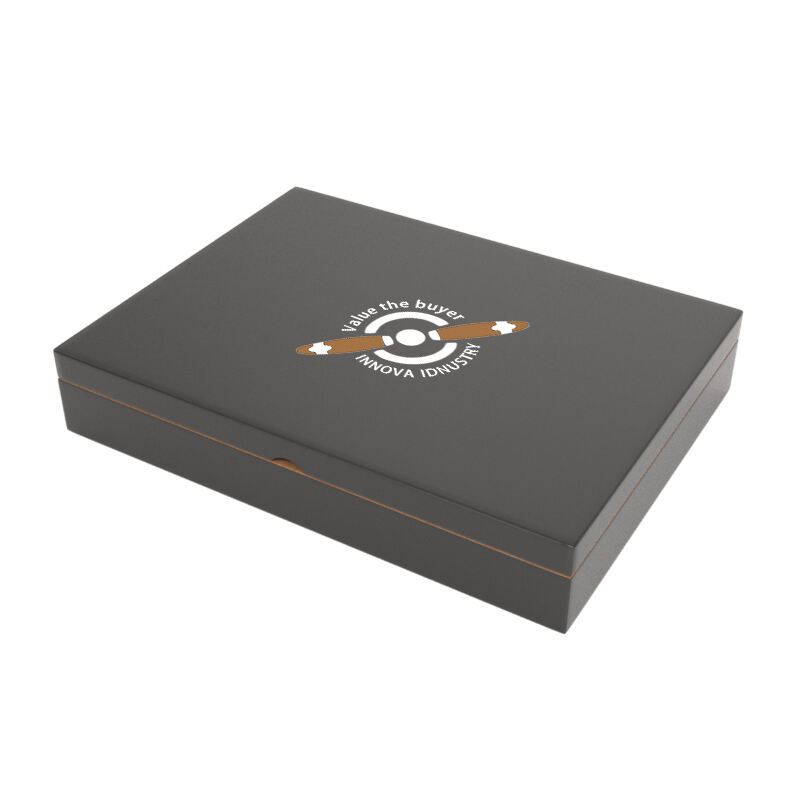
Modern bulk distribution requires packaging that can withstand the rigors of transportation, storage, and handling while preserving the delicate nature of premium tobacco products. The right cigar box design combines durability with elegance, ensuring that products arrive at their destination in perfect condition while maintaining the luxury appeal that cigar enthusiasts expect.
Material Construction and Durability Standards
Premium Wood Selection for Long-Term Reliability
The foundation of an exceptional cigar box begins with premium wood selection that can endure the demands of bulk distribution. Cedar remains the gold standard for cigar box construction due to its natural moisture-regulating properties and resistance to insects and decay. Spanish cedar, in particular, offers superior dimensional stability and helps maintain optimal humidity levels during extended storage periods.
Hardwood alternatives such as mahogany and walnut provide excellent durability for high-volume operations while offering distinct aesthetic appeal. These materials resist warping and cracking under varying environmental conditions, making them ideal for cigar box applications where consistent performance is crucial. The wood thickness should typically range from 8-12mm to ensure adequate protection without adding excessive weight to shipping costs.
Reinforcement Techniques for Bulk Handling
Bulk distribution places additional stress on packaging materials, requiring enhanced reinforcement techniques in cigar box construction. Corner bracing with internal wooden blocks or metal brackets prevents structural failure during stacking and transportation. Quality manufacturers implement dovetail joints or finger joints that distribute stress evenly across connection points.
The integration of internal dividers and cushioning systems protects individual cigars from movement and collision damage. These reinforcements must be designed to accommodate the specific dimensions and quantities required for bulk operations while maintaining the structural integrity of the overall cigar box design.
Humidity Control and Climate Management
Advanced Sealing Systems
Effective humidity control represents a critical factor in cigar box design for bulk distribution applications. Advanced sealing systems incorporate multiple gasket layers and precision-machined surfaces to create airtight enclosures that maintain consistent internal environments. These systems prevent moisture loss during extended storage periods and protect against external climate variations.
Modern cigar box designs often feature magnetic closure systems that provide superior sealing performance compared to traditional hinges and latches. The magnetic system ensures consistent pressure distribution around the entire perimeter, eliminating weak points that could compromise humidity control during bulk storage operations.
Integrated Humidification Solutions
Professional-grade cigar box solutions for bulk distribution incorporate integrated humidification systems that maintain optimal moisture levels without external intervention. These systems typically include humidity regulation devices, monitoring equipment, and backup systems to ensure continuous protection throughout the distribution cycle.
Temperature-resistant hygrometers and digital monitoring systems provide real-time feedback on internal conditions, allowing distributors to make immediate adjustments when necessary. The humidification components must be designed for long-term reliability and easy maintenance to support extended distribution schedules.
Customization Options for Brand Identity
Surface Finishing and Branding Capabilities
Brand differentiation in the competitive cigar market requires sophisticated customization options that enhance visual appeal while maintaining functional performance. High-quality cigar box designs accommodate multiple finishing techniques including laser engraving, embossing, and inlay work that creates distinctive brand identification without compromising structural integrity.
Premium finishing options such as piano lacquer, hand-rubbed oils, and specialty stains provide luxury aesthetics that appeal to discerning customers. These finishes must be selected for durability and resistance to handling damage during bulk distribution operations while maintaining their visual appeal over extended periods.
Interior Configuration Flexibility
Bulk distribution operations require flexible interior configurations that can accommodate various cigar sizes and quantities efficiently. Modular divider systems allow distributors to adjust internal layouts based on specific product requirements and shipping constraints. These systems must provide secure positioning for individual cigars while maximizing space utilization within the cigar box dimensions.
Removable foam inserts and adjustable partitions enable quick reconfiguration for different product lines without requiring completely separate packaging systems. This flexibility reduces inventory requirements and simplifies warehouse management for large-scale distribution operations.
Logistics and Shipping Optimization
Stackability and Storage Efficiency
Efficient bulk distribution depends on packaging designs that optimize storage density and transportation logistics. Professional cigar box construction incorporates standardized dimensions that facilitate efficient stacking and palletizing operations. The external dimensions should conform to industry-standard shipping containers and warehouse racking systems to minimize wasted space.
Reinforced corners and edges prevent damage during stacking operations while maintaining structural integrity under significant weight loads. The cigar box design must balance protection requirements with weight considerations to optimize shipping costs and handling efficiency throughout the distribution network.
Identification and Tracking Systems
Modern bulk distribution requires sophisticated identification and tracking capabilities integrated into cigar box designs. RFID tag compatibility and barcode placement areas enable automated inventory management and shipment tracking throughout the supply chain. These systems must be positioned to avoid interference with humidity control systems while providing reliable data transmission.
Clear labeling areas and standardized information placement facilitate quick visual identification during warehouse operations and quality control inspections. The identification systems should accommodate both manual and automated processing methods to maintain flexibility in different distribution environments.
Quality Assurance and Testing Standards
Performance Validation Protocols
Comprehensive quality assurance programs ensure that cigar box designs meet the demanding requirements of bulk distribution operations. Performance validation includes environmental testing under extreme temperature and humidity conditions, drop testing for shipping durability, and long-term stability assessment under loaded conditions.
Accelerated aging tests simulate extended storage periods to verify that materials and construction techniques maintain their performance characteristics over time. These protocols help identify potential failure modes before products enter the distribution network, reducing the risk of costly product losses and customer dissatisfaction.
Compliance and Certification Requirements
International distribution operations require cigar box designs that comply with various regulatory standards and certification requirements. Food safety regulations, import/export documentation requirements, and quality certifications must be incorporated into the design and manufacturing processes to ensure smooth customs clearance and regulatory compliance.
Documentation systems and traceability requirements help distributors maintain compliance with changing regulations while providing customers with confidence in product authenticity and quality. The cigar box design should accommodate required documentation and certification labels without compromising aesthetic appeal or functional performance.
Cost Optimization Strategies
Manufacturing Efficiency and Scale Economics
Bulk distribution operations benefit from cigar box designs that optimize manufacturing efficiency and take advantage of scale economics. Standardized component designs and modular construction techniques reduce manufacturing complexity while maintaining quality standards. These approaches enable cost-effective production of large quantities without compromising individual unit quality.
Material optimization strategies focus on achieving required performance characteristics while minimizing raw material costs and waste generation. Advanced manufacturing techniques such as CNC machining and automated assembly systems improve consistency while reducing labor costs associated with large-volume production runs.
Lifecycle Cost Analysis
Comprehensive lifecycle cost analysis considers initial purchase prices, operational costs, and end-of-life considerations when evaluating cigar box options for bulk distribution. Higher initial costs may be justified by improved durability, reduced product losses, and enhanced customer satisfaction that generates additional revenue opportunities.
Maintenance requirements, replacement schedules, and upgrade pathways should be evaluated to determine the total cost of ownership over the expected service life. The cigar box selection process must balance immediate budget constraints with long-term operational efficiency and profitability considerations.
FAQ
What wood types provide the best durability for bulk cigar distribution?
Spanish cedar remains the premium choice for cigar box construction due to its natural humidity-regulating properties and insect resistance. Mahogany and walnut offer excellent alternatives with superior durability and aesthetic appeal. The wood should be properly seasoned and treated to prevent warping or cracking under varying environmental conditions during extended distribution periods.
How important is humidity control in bulk cigar packaging?
Humidity control is absolutely critical for maintaining cigar quality during bulk distribution operations. Premium cigars require consistent humidity levels between 65-75% to preserve flavor, texture, and combustion characteristics. Advanced sealing systems and integrated humidification solutions ensure product integrity throughout extended storage and transportation cycles, protecting significant investments in premium tobacco products.
What customization options are available for bulk distribution cigar boxes?
Modern cigar box designs offer extensive customization options including laser engraving, embossing, custom inlays, and premium finishing techniques. Interior configurations can be adjusted with modular divider systems to accommodate different cigar sizes and quantities. Branding elements, color schemes, and hardware selections can be tailored to specific distributor requirements while maintaining functional performance standards.
How do shipping and logistics considerations affect cigar box design?
Shipping optimization requires standardized external dimensions that maximize container utilization and facilitate automated handling systems. Reinforced construction prevents damage during stacking and transportation, while integrated identification systems enable efficient tracking throughout the supply chain. The cigar box design must balance protection requirements with weight considerations to optimize shipping costs and operational efficiency in bulk distribution environments.