EN
EN



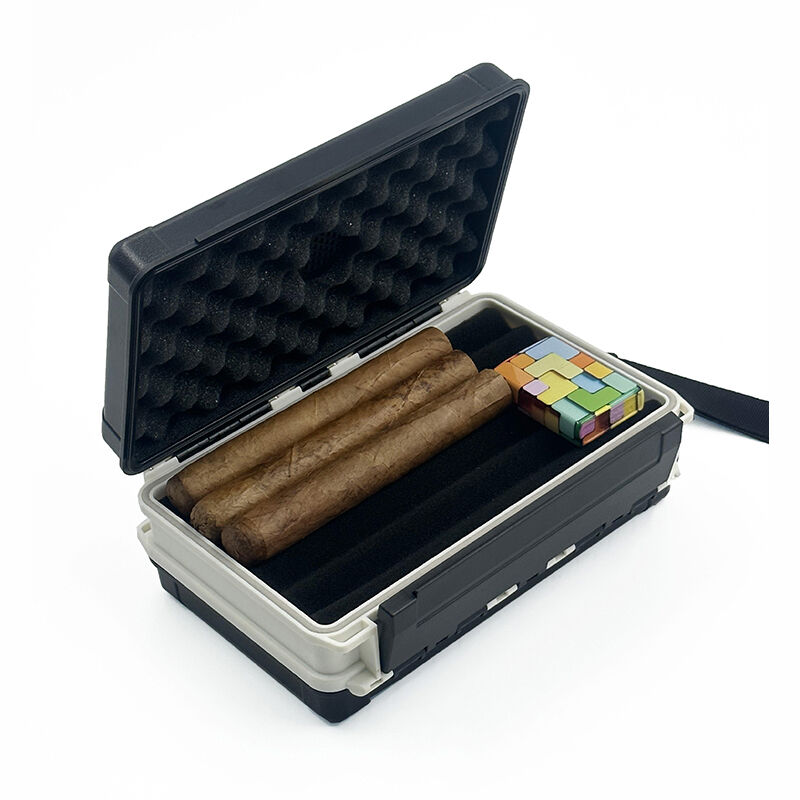
Retail stores and boutiques that specialize in premium cigars face a unique challenge: offering customers products that protect their valuable purchases while also reflecting the quality and sophistication of the brand. A cigar travel case serves as both a functional accessory and a statement piece that can significantly influence purchasing decisions. For retailers, understanding what features distinguish an exceptional cigar travel case from an ordinary one becomes essential to curating inventory that meets customer expectations and drives sales. The right travel case not only preserves cigar quality during transport but also enhances the overall customer experience, creating opportunities for repeat business and brand loyalty.
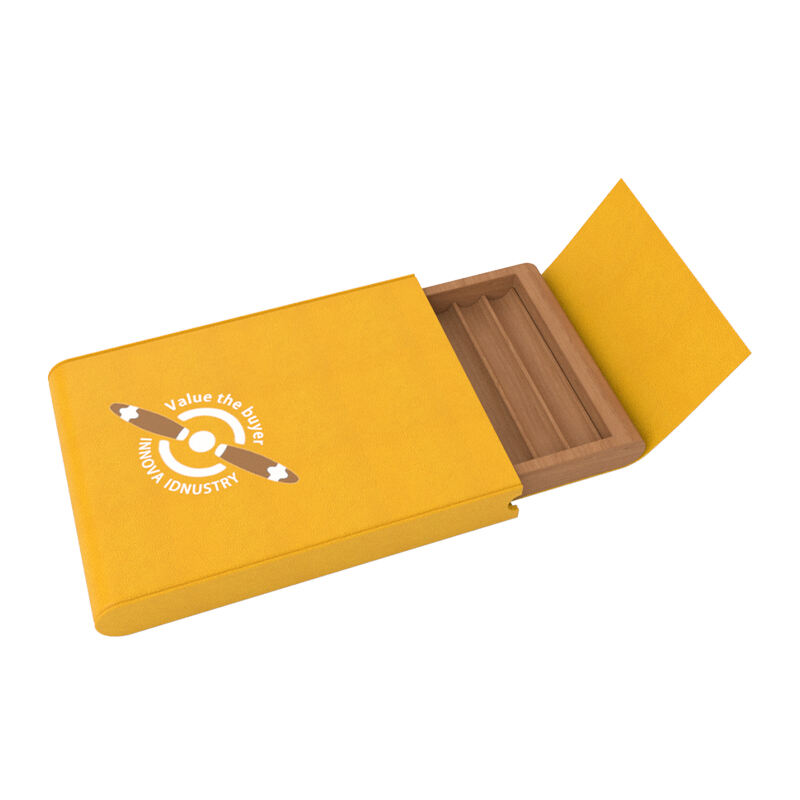
When retail buyers evaluate which cigar travel case options to stock, they must consider multiple dimensions that extend beyond basic protection. The ideal case balances durability with aesthetics, incorporates humidity control mechanisms, offers practical capacity configurations, and presents visual appeal that aligns with the boutique's brand positioning. These features directly impact customer satisfaction and the perceived value of the product, making feature selection a strategic decision rather than a simple procurement task. For boutique owners particularly, where average transaction values and customer expectations run high, the travel case becomes an extension of the luxury experience they cultivate in their physical retail environment.
Essential Construction Quality and Material Standards
Premium Material Selection for Durability
The foundation of any quality cigar travel case begins with material selection that prioritizes long-term durability while maintaining an upscale appearance. Retail stores should seek cases constructed from materials such as reinforced leather, high-grade carbon fiber, or impact-resistant ABS plastic with sophisticated finishes. These materials provide the structural integrity needed to protect cigars from physical damage during travel while projecting the premium image that cigar enthusiasts expect. The exterior material must withstand repeated handling, environmental exposure, and the inevitable wear that comes with regular use, ensuring customers receive lasting value from their purchase.
Interior materials prove equally critical in determining whether a cigar travel case meets retail standards. Spanish cedar lining remains the gold standard, offering natural humidity regulation properties and the traditional aromatic experience cigar connoisseurs appreciate. However, modern alternatives using specialized foam inserts with moisture-wicking properties can also perform admirably when properly engineered. Retail buyers should examine how interior materials interact with cigars directly, checking for soft contact surfaces that prevent wrapper damage and materials that won't impart unwanted odors or flavors to stored cigars over time.
Reinforced Structural Design Elements
Beyond material choice, the structural engineering of a cigar travel case determines its practical resilience in real-world conditions. Reinforced corners, impact-absorbing seals, and crush-resistant designs separate premium cases from budget alternatives. For boutique retailers, stocking cases with metal corner protectors or rubberized bumpers demonstrates attention to detail that sophisticated customers notice. The hinge mechanisms deserve particular scrutiny, as repeated opening and closing represents the primary mechanical stress point in any travel case design. Quality cases feature stainless steel or brass hinges with smooth action that won't loosen over time.
Retailers should also evaluate the case's seal integrity, which directly impacts humidity retention and odor containment. A well-designed cigar travel case incorporates gasket seals or precision-machined closures that create an airtight environment without requiring excessive force to open or close. This feature becomes particularly important for customers who travel frequently or store their cases in varying environmental conditions. The seal must balance accessibility with protection, allowing easy one-handed operation while maintaining sufficient closure strength to prevent accidental opening during transport.
Humidity Control Integration for Cigar Preservation
Built-In Humidification Systems
The defining feature that elevates a cigar travel case from simple storage to proper preservation lies in its humidity control capabilities. Retail stores serving knowledgeable cigar enthusiasts must stock cases with integrated humidification systems that maintain optimal relative humidity levels between 65% and 72%. These systems range from passive humidification packs housed in dedicated compartments to active electronic humidifiers with digital monitoring. For boutique retailers targeting premium customers, cases with built-in hygrometers provide visual confirmation of proper storage conditions, adding both functionality and perceived value.
The humidification mechanism should be easily rechargeable or replaceable without requiring specialized tools or procedures. Cases designed with removable humidification cartridges allow customers to maintain optimal conditions through simple maintenance routines, reducing the likelihood of product dissatisfaction due to improper care. Retailers should educate their sales staff on different humidification technologies so they can guide customers toward solutions matching their usage patterns, whether that involves frequent short trips requiring minimal intervention or extended travel necessitating robust humidity management.
Climate Stability and Insulation Properties
Beyond active humidification, the thermal insulation properties of a cigar travel case significantly impact its ability to maintain stable internal conditions. Quality cases incorporate insulating layers that buffer against rapid temperature fluctuations, which can cause condensation and humidity spikes that damage cigars. For retail stores in regions with extreme seasonal temperature variations, this feature becomes particularly relevant when advising customers on appropriate product selection. Cases with dual-wall construction or foam insulation layers provide superior climate stability compared to single-layer designs.
The breathability of the cigar travel case also affects long-term storage quality. While airtight seals prevent rapid moisture loss, some air exchange prevents the buildup of ammonia from aging cigars and maintains freshness. Premium cases achieve this balance through engineered ventilation systems or materials with controlled permeability. Retailers should understand these technical distinctions to properly position different case models for customers with varying storage needs, from daily carry cases to weekend travel humidors.
Capacity Configuration and Storage Efficiency
Optimal Cigar Count and Size Accommodation
Retail stores must stock cigar travel case options spanning various capacity ranges to accommodate different customer preferences and use cases. Entry-level cases typically hold three to five cigars, serving customers who want portable protection for special occasions or brief outings. Mid-range options accommodating eight to fifteen cigars appeal to regular smokers and weekend travelers, while premium large-capacity cases holding twenty or more cigars target serious collectors and extended trip scenarios. Understanding the capacity distribution of customer demand helps retailers optimize inventory allocation across these segments.
Size accommodation presents another critical consideration, as cigar enthusiasts collect various ring gauges and lengths. The ideal cigar travel case for retail environments features adjustable or universal fitment that accommodates multiple cigar dimensions without excessive movement or compression. Cases with foam inserts featuring variable-depth slots or Spanish cedar trays with removable dividers offer the flexibility customers value when building diverse cigar selections. Retailers should demonstrate this versatility during sales presentations, showing how a single case can protect everything from slim panetelas to robust Churchill sizes.
Accessory Storage Integration
Modern cigar enthusiasts expect their travel cases to accommodate more than just cigars themselves. Integrated storage for cutters, lighters, and small accessories transforms a simple cigar travel case into a complete smoking kit solution. Retailers serving boutique customers should prioritize cases with dedicated accessory compartments that prevent metal items from contacting and damaging cigar wrappers. Elastic retention straps, magnetized pockets, or custom-molded cavities demonstrate thoughtful design that justifies premium pricing.
The spatial efficiency of accessory integration matters significantly in compact travel formats. Well-designed cases incorporate accessory storage without compromising cigar capacity or significantly increasing overall dimensions. This engineering challenge separates exceptional products from those that simply add bulky external pockets. For retail buyers, evaluating how seamlessly accessories integrate into the overall case design provides insight into manufacturing quality and design sophistication that appeals to discerning customers.
Aesthetic Appeal and Brand Alignment
Visual Design Language and Style Options
The visual presentation of a cigar travel case directly influences purchasing decisions in retail environments where customers can physically examine products before buying. Boutique stores should curate selections that span classic traditional aesthetics featuring rich leather tones and brass accents to contemporary designs with sleek carbon fiber finishes and minimalist hardware. This range allows retailers to match products with their customer demographics and brand positioning, whether cultivating old-world sophistication or modern luxury appeal.
Color selection extends beyond simple preference to communicate quality signals and lifestyle alignment. Deep browns, blacks, and burgundies convey traditional luxury and professional sophistication, while lighter tans and grays offer versatility for various travel contexts. Some premium cigar travel case manufacturers offer custom color options or limited editions that create exclusivity opportunities for boutique retailers. Displaying diverse aesthetic options allows customers to select cases that integrate seamlessly with their existing accessories and personal style preferences.
Branding Opportunities and Personalization Features
For retail stores building customer relationships, cigar travel case options that accommodate personalization create additional value propositions and margin opportunities. Cases with smooth leather surfaces suitable for monogramming or embossing enable retailers to offer customization services that transform functional products into meaningful gifts. This capability proves particularly valuable for boutique stores serving affluent customers celebrating milestones or seeking distinctive presents for cigar-smoking associates.
The placement and execution of branding elements on the cigar travel case itself require careful consideration. Subtle embossed logos or metallic badges communicate quality without overwhelming the design, while prominent branding may appeal to customers who view their accessories as status symbols. Retailers should stock options across this spectrum, recognizing that some customers prefer understated elegance while others appreciate conspicuous quality indicators. The manufacturing quality of these branding elements also serves as a proxy for overall product quality in customer perception.
Practical Usability and Customer Experience Features
Portability and Carrying Convenience
Despite being designed for travel, many cigar travel case designs overlook practical portability features that determine whether customers actually use their purchases regularly. Retail stores should prioritize cases with ergonomic carrying solutions such as leather handles, detachable shoulder straps, or slim profiles that fit comfortably in briefcases or luggage. The weight of the case when fully loaded matters significantly for frequent travelers, making lightweight construction materials an important selling point without compromising protection quality.
The external dimensions and shape profile affect how easily a cigar travel case integrates into various carrying scenarios. Rectangular cases with rounded edges slide into bags more readily than bulky rounded designs, while slim vertical cases accommodate jacket pocket carry for smaller capacity options. Retailers can differentiate their product knowledge by understanding these practical use cases and matching customers with appropriate form factors based on their typical travel patterns and carrying preferences.
Maintenance Requirements and Long-Term Care
The ongoing maintenance requirements of a cigar travel case significantly impact customer satisfaction beyond the initial purchase. Retail stores should stock options designed for straightforward care routines that don't require specialized knowledge or products. Cases with removable and washable interior components, easily replaceable humidification elements, and exterior materials that clean with simple leather conditioner or damp cloths reduce ownership friction and support long-term product satisfaction.
Providing care instructions and maintenance guidance at the point of sale transforms the cigar travel case purchase from a transaction into a relationship-building opportunity. Knowledgeable retail staff who can explain seasonal humidification adjustments, recommend cleaning schedules, and troubleshoot common issues create value that justifies premium pricing and encourages repeat business. For boutique retailers, offering complementary maintenance services or hosting care workshops positions the store as an expert resource rather than merely a product distributor.
FAQ
What capacity cigar travel case sells best in retail environments?
Mid-range capacity cases holding between five and ten cigars typically achieve the strongest sales performance in retail stores and boutiques. This capacity range balances portability with practical utility, accommodating weekend trips or special occasions without becoming cumbersome. However, successful retailers stock multiple capacity options since customer needs vary significantly based on smoking frequency, travel patterns, and collecting habits. Offering a curated selection from compact three-cigar cases to premium fifteen-cigar options allows customers to self-select based on their specific requirements while positioning the mid-range option as the popular choice.
How important is Spanish cedar lining versus alternative interior materials?
Spanish cedar lining remains highly valued by traditional cigar enthusiasts who appreciate its natural humidity regulation properties and aromatic qualities, making it an important feature for boutique retailers targeting knowledgeable customers. However, modern engineered materials can perform comparably in controlled humidity environments while offering advantages like lighter weight and easier maintenance. The significance of Spanish cedar versus alternatives depends largely on your customer demographic and price positioning. Premium segments expect authentic cedar, while value-conscious customers may prioritize functionality over traditional materials. Educating customers about the practical benefits of different interior options allows them to make informed decisions aligned with their priorities.
Should retail stores focus on cases with electronic or passive humidification?
The choice between electronic and passive humidification systems in cigar travel case inventory depends on your target customer profile and typical use cases. Passive systems using humidification packets or sponges offer simplicity, reliability, and lower price points that appeal to occasional users and value-conscious buyers. Electronic systems with digital hygrometers provide precision control and monitoring that serious collectors appreciate, justifying higher retail prices. Most successful retailers stock both categories, positioning passive systems as accessible entry points and electronic options as premium solutions for demanding customers. Understanding the maintenance requirements and explaining these differences during sales conversations helps customers select appropriate technology levels.
What price range should boutique cigar retailers target for travel cases?
Boutique cigar retailers typically achieve optimal results by focusing inventory on mid-premium to premium price segments, generally ranging from sixty to two hundred fifty dollars per unit. This positioning aligns with the quality expectations of cigar enthusiasts who view proper storage as essential rather than optional, while maintaining sufficient margin to support consultative sales approaches and personalized service. Stocking a few entry-level options under fifty dollars provides accessible alternatives for gift buyers or budget-conscious customers, while carrying select ultra-premium pieces above three hundred dollars creates aspirational display elements and serves high-end collectors. The specific price architecture should reflect your overall store positioning and local market characteristics.