EN
EN



When sourcing a bulk cigar travel case for retail, gifting, or corporate distribution, material selection is the single most consequential decision a buyer can make. The wrong material leads to cracked shells, failed humidity retention, and returns that erode margin and reputation. The right material, on the other hand, delivers a product that survives repeated handling, transit stress, and varying climate conditions while still presenting well to the end user.
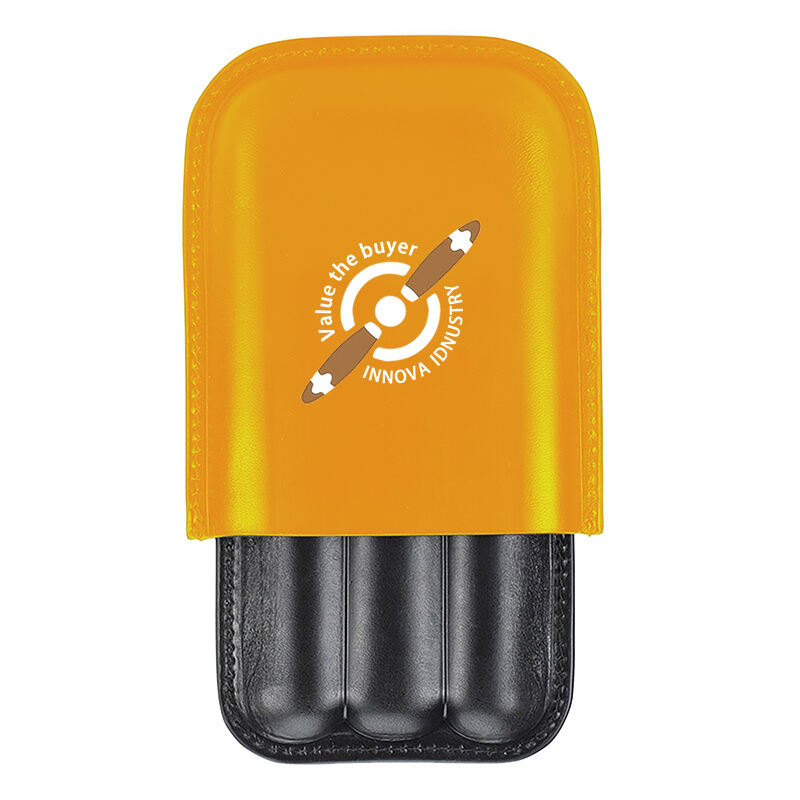
Understanding which materials hold up over time is not just a quality concern — it is a procurement strategy. Buyers placing large orders of a bulk cigar travel case need to evaluate shell materials, interior linings, hardware, and structural reinforcement as a system rather than as isolated components. This article breaks down each material category, explains how it performs under real-world conditions, and gives you the selection logic needed to make confident, durable purchasing decisions at volume.
Why Material Choice Defines Long-Term Value in a Bulk Cigar Travel Case
The Relationship Between Material and Structural Integrity
A bulk cigar travel case is subjected to conditions that most consumer goods never face: luggage compression, temperature swings between air-conditioned cabins and outdoor heat, and the mechanical stress of repeated opening and closing. Materials that perform adequately in a single-unit retail context often fail prematurely when those stresses are compounded across hundreds of use cycles. Structural integrity, therefore, is not a feature — it is a baseline requirement.
The outer shell of a bulk cigar travel case must resist deformation under lateral pressure without becoming brittle in cold environments. This rules out low-grade ABS plastic and thin aluminum alloys that have not been properly tempered. Buyers who overlook shell rigidity at the sourcing stage frequently encounter field failures within the first season of use, which translates directly into warranty claims and reputational damage.
Interior materials carry an equally important structural role. A well-constructed bulk cigar travel case uses interior foam or cedar lining not just for aesthetics but to distribute internal pressure evenly across the cigars, preventing cracking from point-load stress. When interior materials compress permanently or absorb moisture unevenly, the structural system of the case breaks down even if the outer shell remains intact.
How Material Durability Affects Total Cost of Ownership
For buyers purchasing a bulk cigar travel case at volume, the unit price is only one dimension of cost. Durability directly affects return rates, replacement frequency, and the downstream cost of customer dissatisfaction. A case built from premium materials may carry a higher per-unit cost but delivers a significantly lower total cost of ownership when measured across a full product lifecycle.
Procurement teams that evaluate a bulk cigar travel case purely on landed cost often discover that cheaper materials generate hidden costs in the form of increased defect rates during quality inspection, higher freight damage claims, and elevated customer service volume. Material durability is, in this sense, a financial variable as much as a product specification.
Outer Shell Materials and Their Durability Profiles
Genuine Leather as a Premium Shell Option
Genuine leather remains one of the most durable and commercially respected outer materials for a bulk cigar travel case. Full-grain and top-grain leather develop a patina over time rather than degrading, which means the product actually improves in appearance with use — a characteristic that resonates strongly with premium cigar consumers. Leather also provides natural flexibility, which allows the case to absorb impact without cracking or splitting at stress points.
From a bulk purchasing perspective, genuine leather cases require careful attention to tanning quality and thickness. Vegetable-tanned leather offers superior long-term durability compared to chrome-tanned alternatives, though it typically commands a higher price point. For a bulk cigar travel case intended for gifting or branded corporate use, the investment in genuine leather is consistently justified by the perceived and actual quality delivered to the end recipient.
Frosted or matte-finished genuine leather has become increasingly popular in the bulk cigar travel case category because it resists surface scuffing more effectively than polished finishes. The frosted texture diffuses light in a way that conceals minor abrasions, maintaining a premium appearance through extended use cycles. This makes it a particularly practical choice for cases that will be handled frequently or transported in shared luggage environments.
Hard-Shell Materials: Aluminum and Reinforced Composites
Aluminum is a widely used outer shell material for a bulk cigar travel case designed for heavy-duty travel applications. Its primary advantage is rigidity — an aluminum shell will not flex under compression, which provides reliable protection for cigars in checked luggage or cargo environments. Anodized aluminum adds a corrosion-resistant layer that extends the functional lifespan of the case significantly, particularly in humid climates.
The limitation of aluminum in a bulk cigar travel case context is weight. Heavier cases reduce the appeal for frequent travelers who are managing carry-on weight limits. Reinforced composite materials — typically a blend of high-density polyethylene and fiberglass-reinforced panels — offer a middle ground, delivering near-aluminum rigidity at a reduced weight penalty. These composites also allow for more design flexibility, which is relevant for buyers seeking custom colorways or branded surface treatments.
When evaluating hard-shell options for a bulk cigar travel case order, buyers should request drop-test data and hinge stress-cycle ratings from suppliers. These metrics provide objective evidence of durability that goes beyond visual inspection and material specification sheets. A case that passes a 1.2-meter drop test onto concrete and sustains 5,000 open-close cycles without hinge failure is a meaningfully different product from one that has not been tested to those standards.
Interior Lining Materials and Humidity Performance
Spanish Cedar Lining and Its Role in Cigar Preservation
Spanish cedar is the benchmark interior lining material for any serious bulk cigar travel case because it actively contributes to humidity regulation rather than simply occupying space. Cedar absorbs and releases moisture in response to ambient humidity changes, creating a buffering effect that protects cigars from the rapid humidity swings that occur during air travel or seasonal transitions. This hygroscopic behavior is a functional property that no synthetic material fully replicates.
For buyers sourcing a bulk cigar travel case with cedar interiors, the thickness and grade of the cedar lining are critical specifications. Thin cedar veneers applied over MDF substrates offer limited hygroscopic benefit and are prone to delamination when exposed to repeated humidity cycling. Solid cedar panels or thick cedar laminates bonded to stable substrates deliver the full moisture-buffering performance that cigar enthusiasts expect.
Cedar also imparts a characteristic aromatic quality that experienced cigar consumers associate with proper storage. This sensory dimension adds perceived value to a bulk cigar travel case that is difficult to quantify but consistently influences purchasing decisions at the retail and gifting level. Buyers who include cedar-lined cases in their product range typically report stronger repeat purchase rates from cigar-focused customer segments.
Foam and Synthetic Interior Options
High-density EVA foam is the most common synthetic interior material used in a bulk cigar travel case at mid-range price points. When properly engineered, EVA foam provides excellent shock absorption and can be precision-cut to accommodate specific cigar diameters, reducing movement during transit. The key durability variable with foam interiors is compression set — the degree to which the foam permanently deforms after sustained pressure.
Low-density foam, which is often used to reduce material costs in a bulk cigar travel case, loses its structural shape after relatively few use cycles. This results in cigars sitting loosely in the case, increasing the risk of damage from vibration and impact. Buyers should specify minimum foam density requirements — typically 45 kg/m³ or higher for travel applications — when placing bulk orders to ensure consistent interior performance across the production run.
Microfiber and velvet interior linings are used in premium bulk cigar travel case designs where tactile quality is a priority. These materials do not contribute to humidity regulation but provide a soft, protective surface that prevents surface abrasion on cigars with delicate wrappers. When combined with a cedar substrate beneath the lining, they deliver both aesthetic quality and functional humidity management in a single interior system.
Hardware, Closures, and Structural Reinforcement
Hinge and Latch Quality as Durability Indicators
The hardware components of a bulk cigar travel case — hinges, latches, and clasps — are among the most mechanically stressed elements of the entire product. A case that is opened and closed multiple times daily will accumulate thousands of stress cycles on its hinges within a single year of use. Zinc alloy and stainless steel hardware consistently outperform brass-plated zinc or plastic hardware in long-term stress testing, maintaining alignment and closure force across extended use periods.
For a bulk cigar travel case intended for frequent travelers or corporate gifting, buyers should prioritize hardware with a minimum 3,000-cycle rating. This specification ensures that the closure mechanism remains functional and aesthetically intact through realistic use scenarios. Hardware that fails prematurely — through hinge pin wear, latch spring fatigue, or surface plating loss — creates a negative user experience that reflects on the brand or retailer regardless of the quality of the case's other components.
Magnetic closures have gained traction in the bulk cigar travel case market as an alternative to traditional latches because they eliminate mechanical wear points entirely. High-strength neodymium magnets embedded in the case frame provide reliable closure force without the fatigue failure modes associated with spring-loaded latches. The trade-off is that magnetic closures offer less resistance to accidental opening under lateral force, which may be a consideration for cases used in active travel environments.
Seam Construction and Edge Reinforcement
The seams and edges of a bulk cigar travel case are the points where material stress concentrates during impact and compression. Poorly reinforced seams are the most common failure point in leather and fabric-covered cases, particularly at the corners where multiple material layers converge. Double-stitched seams with bonded thread, combined with corner reinforcement panels, significantly extend the structural lifespan of a leather bulk cigar travel case.
For hard-shell cases, edge reinforcement typically takes the form of rubber gaskets or aluminum extrusion profiles that protect the shell perimeter from chipping and delamination. A well-designed bulk cigar travel case will use a continuous gasket that also contributes to the case's humidity seal, combining structural and functional benefits in a single design element. Buyers should inspect edge construction carefully during sample evaluation, as this detail is frequently where cost-reduction measures are applied by manufacturers.
Selecting the Right Material Combination for Your Bulk Order
Matching Material Specifications to End-Use Scenarios
The optimal material combination for a bulk cigar travel case depends on the specific end-use scenario the buyer is targeting. A case intended for frequent business travelers requires different material priorities than one designed for occasional leisure use or retail display. Business travel cases benefit from lightweight hard shells, stainless steel hardware, and cedar or high-density foam interiors that maintain performance through daily handling. Leisure and gifting cases can prioritize genuine leather exteriors and velvet-lined cedar interiors where tactile quality and presentation are the primary value drivers.
Climate considerations also influence material selection for a bulk cigar travel case. Buyers distributing into humid tropical markets should prioritize cedar interiors and corrosion-resistant hardware, as these environments accelerate the degradation of materials that perform adequately in temperate climates. Conversely, buyers in arid markets may need to specify cases with enhanced humidity retention features, such as integrated humidification systems or tighter-sealing gaskets, to protect cigars from desiccation during transit.
Quality Verification Practices for Bulk Purchases
When placing a large order of a bulk cigar travel case, material quality verification should be built into the procurement process rather than treated as an afterthought. Pre-production samples should be subjected to a standardized evaluation protocol that includes material thickness measurement, hardware cycle testing, interior compression assessment, and humidity retention testing over a minimum 48-hour period. These tests provide objective data that protects the buyer from receiving a production run that deviates from the approved sample.
Third-party inspection services can add an additional layer of assurance for large bulk cigar travel case orders, particularly when sourcing from new suppliers. An independent inspection conducted at the factory before shipment can identify material substitutions, construction shortcuts, and quality inconsistencies that would otherwise only become apparent after the goods have arrived and been distributed. The cost of pre-shipment inspection is consistently justified by the risk it mitigates on high-volume orders.
Buyers should also request material certifications and compliance documentation for any bulk cigar travel case order that will be sold in regulated markets. Leather tanning chemicals, foam blowing agents, and hardware plating compounds are all subject to varying regulatory requirements across different jurisdictions. Ensuring that the materials used in your bulk cigar travel case comply with the relevant standards in your target market protects against costly compliance issues after the goods have been imported.
FAQ
What is the most durable outer material for a bulk cigar travel case?
Genuine leather and anodized aluminum are the two most durable outer materials for a bulk cigar travel case, each suited to different use scenarios. Genuine leather offers flexibility, impact absorption, and long-term aesthetic improvement with use, making it ideal for premium and gifting applications. Anodized aluminum provides superior rigidity and crush resistance, which is the better choice for cases that will be checked as luggage or transported in high-compression environments. The right choice depends on the end-use context and the buyer's target customer profile.
How does interior lining material affect the performance of a bulk cigar travel case?
Interior lining material directly affects humidity regulation, shock absorption, and cigar surface protection in a bulk cigar travel case. Spanish cedar is the highest-performing interior material because it actively buffers humidity changes through its hygroscopic properties, protecting cigars from moisture fluctuations during transit. High-density EVA foam provides reliable shock absorption and can be precision-cut for a secure fit, while microfiber and velvet linings add tactile quality and surface protection. The best interior systems combine cedar for humidity management with a soft lining layer for surface protection.
What hardware specifications should buyers prioritize when sourcing a bulk cigar travel case?
Buyers should prioritize zinc alloy or stainless steel hardware with a minimum 3,000-cycle rating when sourcing a bulk cigar travel case for frequent-use applications. Hinge pin diameter, latch spring tension, and surface plating thickness are the key hardware specifications to verify during sample evaluation. Magnetic closures are a viable alternative for cases where mechanical wear is a concern, provided the magnet strength is sufficient to maintain reliable closure under normal handling conditions. Hardware quality is one of the most reliable indicators of overall case construction quality.
How can buyers verify material quality before committing to a large bulk cigar travel case order?
The most effective approach is to request pre-production samples and subject them to a structured evaluation protocol that includes material thickness measurement, hardware cycle testing, interior compression assessment, and humidity retention testing. For large orders, engaging a third-party inspection service to conduct a pre-shipment inspection at the factory provides an additional layer of protection against material substitutions and quality deviations. Requesting material certifications and compliance documentation is also essential for buyers distributing a bulk cigar travel case into regulated markets where chemical and material standards apply.
Table of Contents
- Why Material Choice Defines Long-Term Value in a Bulk Cigar Travel Case
- Outer Shell Materials and Their Durability Profiles
- Interior Lining Materials and Humidity Performance
- Hardware, Closures, and Structural Reinforcement
- Selecting the Right Material Combination for Your Bulk Order
-
FAQ
- What is the most durable outer material for a bulk cigar travel case?
- How does interior lining material affect the performance of a bulk cigar travel case?
- What hardware specifications should buyers prioritize when sourcing a bulk cigar travel case?
- How can buyers verify material quality before committing to a large bulk cigar travel case order?