EN
EN



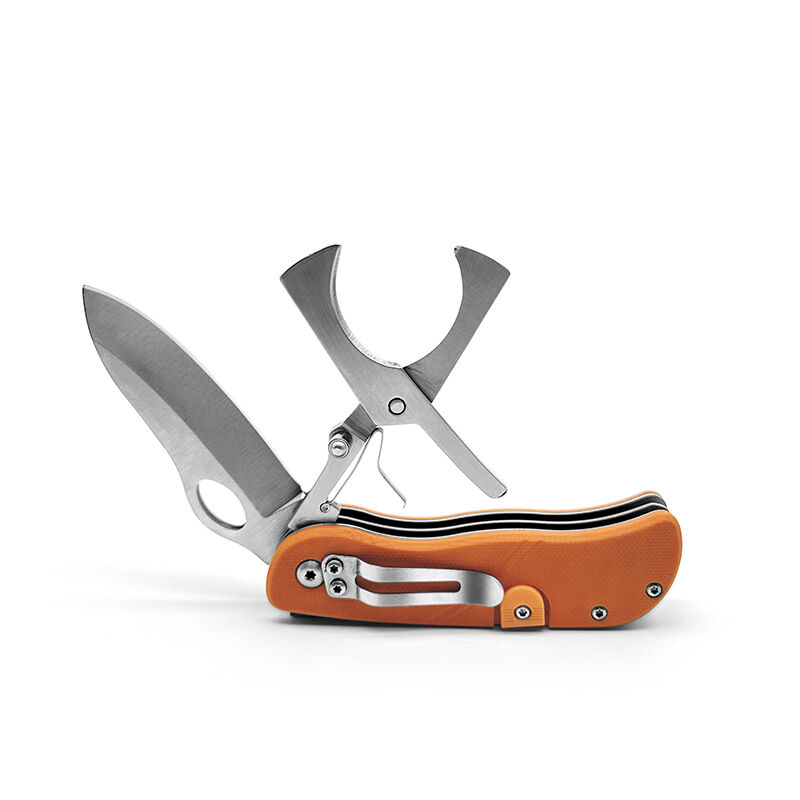
Professional cigar cutter knives represent a critical component in the premium tobacco industry, where precision cutting directly impacts the smoking experience and customer satisfaction. Distributors operating in this specialized market face unique challenges in sourcing, evaluating, and delivering products that meet the exacting standards demanded by serious cigar enthusiasts and professional tobacconists. The selection process requires comprehensive understanding of metallurgy, blade geometry, manufacturing tolerances, and quality control protocols that separate exceptional products from mediocre alternatives.
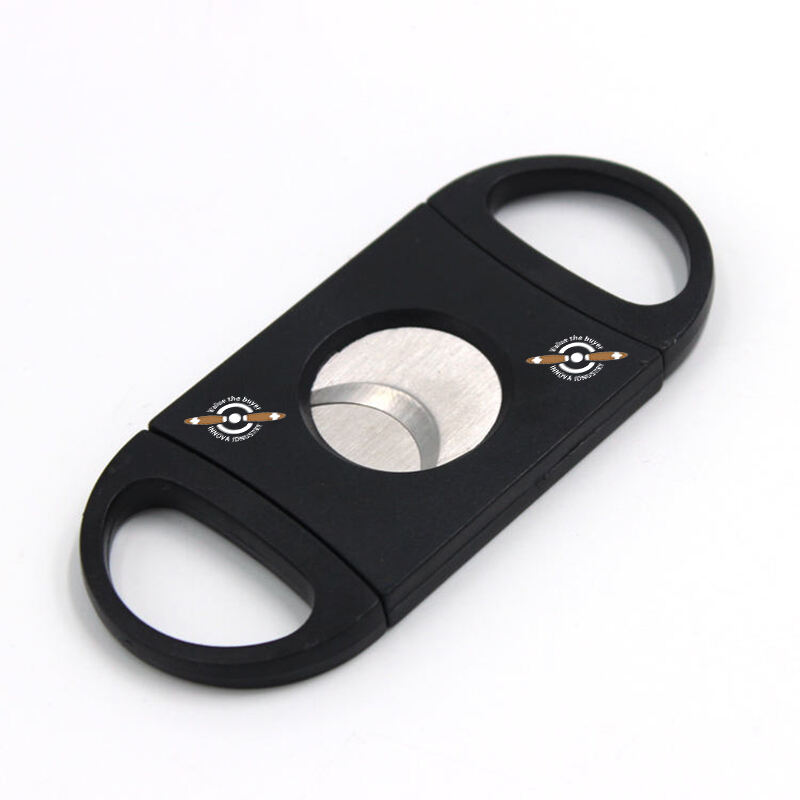
Understanding Professional Grade Blade Materials and Manufacturing
Steel Composition Requirements for Premium Performance
High-carbon stainless steel grades represent the foundation of professional cigar cutter knives, with compositions typically featuring 440C or higher specifications. These alloys deliver the optimal balance between edge retention, corrosion resistance, and mechanical durability required for consistent performance across thousands of cutting cycles. Distributors must verify that suppliers utilize proper heat treatment processes, including controlled tempering sequences that achieve Rockwell hardness ratings between 58-62 HRC for optimal cutting performance.
Manufacturing tolerances become particularly critical in blade production, where variations as small as 0.002 inches can significantly impact cutting precision and alignment. Professional grade cigar cutter knives require precision grinding operations that maintain consistent blade angles, typically ranging from 20 to 25 degrees per side depending on the specific cutting application. Quality control protocols must include dimensional verification using coordinate measuring machines and surface finish assessments to ensure smooth, burr-free cutting edges.
Advanced Coating Technologies and Surface Treatments
Contemporary cigar cutter knives often incorporate specialized surface treatments that enhance performance characteristics while extending operational lifespan. Titanium nitride coatings provide exceptional wear resistance and reduced friction coefficients, enabling smoother cutting action with minimal blade drag. Diamond-like carbon treatments offer superior hardness properties while maintaining the sharp cutting geometry essential for clean tobacco leaf separation.
Distributors evaluating potential suppliers should investigate coating adhesion testing protocols, including thermal cycling assessments and mechanical wear evaluations. Properly applied surface treatments should demonstrate consistent thickness uniformity and excellent substrate bonding to prevent premature coating failure during normal usage conditions. These advanced treatments represent significant value additions that justify premium pricing in professional market segments.
Quality Assurance Protocols and Testing Standards
Dimensional Accuracy and Geometric Verification
Professional cigar cutter knives demand precise dimensional control across multiple critical parameters, including blade thickness consistency, cutting angle uniformity, and overall geometric alignment. Statistical process control methodologies should govern production operations, with capability studies demonstrating process stability and measurement system analysis validating inspection equipment accuracy.
Comprehensive quality protocols must include incoming material inspection, in-process monitoring, and final product validation to ensure consistent performance characteristics. Blade edge geometry verification using optical measurement systems provides objective assessment of cutting angle consistency and edge straightness. These measurements directly correlate with cutting performance and product lifespan, making them essential elements in supplier qualification processes.
Performance Testing and Durability Validation
Rigorous performance testing protocols evaluate cutting force requirements, edge retention characteristics, and overall mechanical durability under simulated usage conditions. Standardized test procedures should include cyclic loading assessments that replicate typical user cutting patterns while monitoring blade wear progression and cutting quality degradation over time. These evaluations provide quantitative data supporting product positioning and warranty considerations.
Environmental testing protocols assess product performance under various temperature and humidity conditions commonly encountered in tobacco retail environments. Corrosion resistance evaluations using accelerated aging techniques help predict long-term performance in challenging storage conditions. Distributors should require comprehensive test documentation demonstrating compliance with relevant industry standards and performance benchmarks.
Supplier Evaluation and Partnership Development
Manufacturing Capability Assessment
Successful distributor relationships require thorough evaluation of supplier manufacturing capabilities, including equipment sophistication, process control systems, and quality management infrastructure. Site audits should assess CNC machining capabilities, heat treatment facilities, and inspection equipment to verify production capacity for professional grade cigar cutter knives. Documentation review should include ISO certification status, statistical process control implementation, and continuous improvement initiatives.
Production scalability becomes particularly important when considering market growth potential and seasonal demand fluctuations common in the tobacco industry. Suppliers should demonstrate flexible manufacturing capacity with documented ability to maintain quality standards during production volume increases. Supply chain resilience factors, including raw material sourcing diversity and backup production capabilities, provide additional security for distributor partnerships.
Technical Support and Product Development Collaboration
Professional market segments often require customized solutions or specialized product variants to meet specific application requirements. Supplier evaluation should include assessment of engineering capabilities, prototype development resources, and willingness to collaborate on custom product development initiatives. Technical support availability, including application assistance and troubleshooting expertise, adds significant value to distributor relationships.
Long-term partnership success depends on shared commitment to continuous improvement and market responsiveness. Suppliers should demonstrate active engagement in product development activities, incorporating customer feedback and market trends into design evolution processes. Regular business reviews and joint planning sessions help align product roadmaps with market opportunities and competitive positioning requirements.
Market Positioning and Customer Communication
Professional Specification Documentation
Effective market positioning requires comprehensive technical documentation that clearly communicates the superior characteristics of professional grade cigar cutter knives compared to consumer alternatives. Detailed specification sheets should include material compositions, dimensional tolerances, performance test results, and application guidelines that demonstrate product value proposition to professional customers.
Educational content development helps establish distributor expertise while supporting customer decision-making processes. Technical bulletins explaining the relationship between blade geometry and cutting performance provide valuable information that differentiates professional products from commodity alternatives. Case studies documenting successful implementations in professional tobacco environments demonstrate real-world performance benefits.
Training and Support Program Development
Professional customers often require technical training and ongoing support to maximize product performance and operational efficiency. Distributor programs should include installation guidance, maintenance procedures, and troubleshooting resources that help customers achieve optimal results. Regular training sessions and technical seminars build customer loyalty while positioning distributors as trusted technical advisors.
Customer feedback collection systems provide valuable market intelligence while identifying opportunities for product improvement or complementary product development. Systematic documentation of customer experiences, including performance feedback and application challenges, supports continuous improvement initiatives and helps guide future product selection decisions.
FAQ
What steel grades are most suitable for professional cigar cutter knives
High-carbon stainless steel grades such as 440C, ATS-34, or premium tool steels like D2 provide optimal performance characteristics for professional cigar cutting applications. These materials offer excellent edge retention, corrosion resistance, and mechanical durability when properly heat treated to achieve Rockwell hardness ratings between 58-62 HRC.
How can distributors verify blade quality and manufacturing precision
Comprehensive quality verification includes dimensional inspection using precision measuring equipment, surface finish assessment, hardness testing, and performance evaluation under standardized cutting conditions. Suppliers should provide detailed test documentation, statistical process control data, and certification compliance information to demonstrate manufacturing consistency and quality assurance protocols.
What performance testing standards apply to professional cigar cutter knives
While specific industry standards may vary, professional testing typically includes cutting force measurement, edge retention evaluation, corrosion resistance assessment, and durability validation through cyclic loading tests. Environmental testing under various temperature and humidity conditions helps predict performance in typical tobacco retail environments and storage conditions.
How should distributors evaluate potential supplier partnerships
Supplier evaluation should encompass manufacturing capability assessment, quality management system review, technical support availability, and product development collaboration potential. Site audits, certification verification, production scalability analysis, and supply chain resilience evaluation provide comprehensive insights into supplier suitability for professional market requirements and long-term partnership success.