EN
EN



Maintaining cigar humidor cabinets in commercial environments presents unique challenges that differ significantly from residential use. Distributors who invest in quality cigar humidor cabinets for retail showrooms, tobacco shops, or hospitality venues must implement rigorous maintenance protocols to protect inventory value, ensure product quality, and extend equipment lifespan. Commercial cigar humidor cabinets operate continuously under demanding conditions, serving as both storage systems and display showcases that directly influence customer purchasing decisions. Understanding the mechanical, environmental, and operational factors that affect these specialized cabinets enables distributors to minimize downtime, reduce replacement costs, and maintain the precise humidity and temperature conditions that premium cigars require.
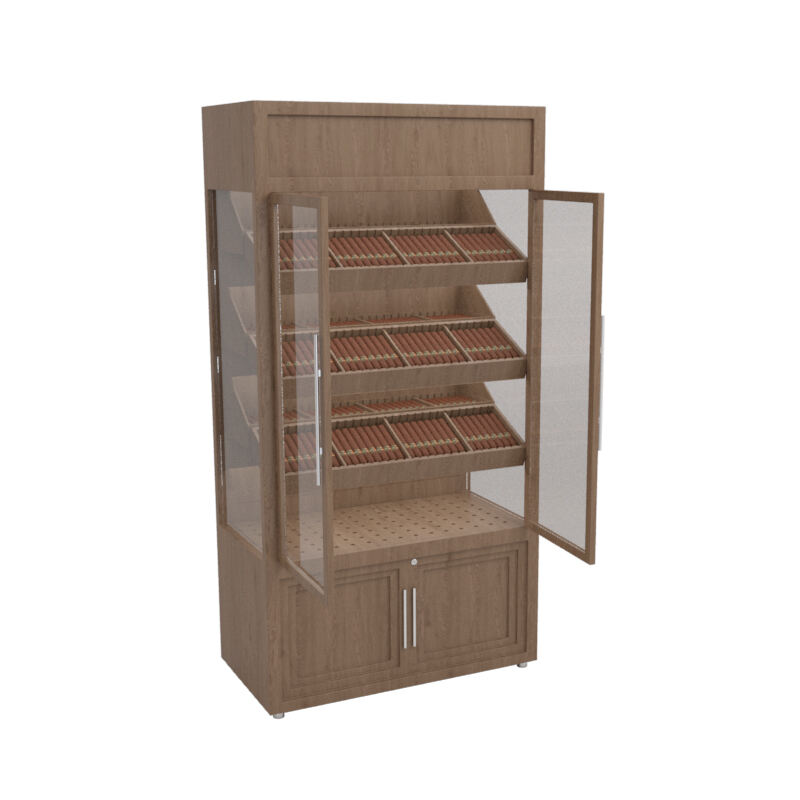
The distinction between maintaining residential humidors and commercial-grade cigar humidor cabinets lies in usage intensity, environmental exposure, and the financial consequences of failure. A single maintenance oversight in a commercial setting can compromise thousands of dollars in premium inventory within hours, damage brand reputation, and create costly emergency situations. Distributors who master preventive maintenance strategies not only protect their investment but also create competitive advantages through consistent product quality and operational reliability. This comprehensive approach to cabinet care encompasses humidity system maintenance, temperature regulation, structural integrity monitoring, and systematic inspection protocols tailored specifically to the demands of commercial cigar storage and display environments.
Understanding the Operational Demands on Commercial Cigar Humidor Cabinets
Continuous Operation Stress and Component Wear
Commercial cigar humidor cabinets operate under fundamentally different conditions than residential units, running continuously for years without the rest periods that home units experience. This constant operation places sustained stress on humidification systems, cooling components, and electronic controls. Distributors must recognize that components designed for intermittent residential use will fail prematurely under commercial demands. The humidification system in particular faces continuous evaporation demands, requiring regular monitoring of water reservoirs, humidification media replacement, and output verification. Commercial-grade cigar humidor cabinets typically incorporate more robust humidification systems, but even these require attention to prevent the gradual efficiency decline that accompanies mineral buildup, media saturation, and mechanical wear.
Temperature regulation systems in commercial cigar humidor cabinets work harder than residential equivalents due to frequent door openings, ambient temperature fluctuations in retail environments, and the thermal load of glass display panels. Cooling compressors cycle more frequently, evaporator coils accumulate dust and debris faster, and temperature sensors drift from calibration over time. Distributors should establish baseline performance metrics immediately after installation, documenting temperature recovery times after door openings, compressor cycle frequencies, and internal temperature distribution patterns. These baselines provide reference points for detecting gradual performance degradation before it reaches critical levels. The physical structure of cigar humidor cabinets also experiences stress from constant humidity exposure, with door seals compressing, wood components expanding and contracting, and glass panels developing condensation patterns that can indicate seal failures or airflow problems.
Environmental Challenges in Retail and Hospitality Settings
The placement environment significantly impacts maintenance requirements for cigar humidor cabinets in commercial settings. Retail showrooms typically maintain lower humidity levels than ideal for cigar storage, creating a continuous moisture gradient that the humidor must overcome. This environmental mismatch forces humidification systems to work harder, consuming more water and cycling more frequently. Distributors operating in dry climates or air-conditioned retail spaces face particularly demanding conditions, with some environments requiring humidification system output levels that approach or exceed design specifications. Understanding these environmental stresses helps distributors anticipate maintenance needs and implement preventive measures before problems develop.
Hospitality environments such as cigar lounges or hotel retail spaces introduce additional complications including smoke exposure, higher foot traffic, and extended operating hours. Smoke particles can accumulate on cooling coils, reducing heat transfer efficiency and forcing compressors to run longer cycles. Higher traffic volumes mean more frequent door openings, each temporarily disrupting the carefully controlled internal environment. Extended hours reduce opportunities for maintenance activities and accelerate wear on all mechanical components. Distributors must adapt maintenance schedules to these operational realities, sometimes requiring after-hours service appointments or installing redundant systems that allow maintenance rotation without business interruption. The aesthetic expectations in high-end hospitality settings also elevate maintenance standards, as visible wear, condensation stains, or operational noise can detract from the premium experience these venues cultivate.
Implementing Systematic Humidity Control Maintenance
Humidification System Inspection and Service Protocols
The humidification system represents the most critical maintenance focus for commercial cigar humidor cabinets, as humidity control directly determines product quality and inventory value. Distributors should establish weekly inspection routines that verify humidifier operation, check water reservoir levels, and confirm that humidity readings match setpoints. Modern cigar humidor cabinets incorporate electronic humidification systems with self-monitoring capabilities, but these systems still require human verification to catch problems that automated sensors might miss. Inspect humidification media for discoloration, mineral deposits, or microbial growth that can reduce output efficiency or contaminate the cabinet environment.
Monthly maintenance should include complete humidification media replacement or thorough cleaning depending on the system type. Ultrasonic humidifiers require demineralized or distilled water to prevent white dust accumulation on cigars and cabinet surfaces, while evaporative systems need media changes when absorption capacity diminishes. Distributors using tap water in humidification systems will experience accelerated mineral buildup requiring more frequent service intervals. Clean humidifier reservoirs with mild acidic solutions to remove mineral scale, rinse thoroughly, and verify that all cleaning residue has been eliminated before refilling. Check humidifier output by measuring airflow at discharge vents and comparing humidity levels near and far from the humidifier to ensure even distribution throughout cigar humidor cabinets. Uneven humidity distribution often indicates blocked circulation paths, failed fans, or seal leaks that allow dry air infiltration.
Calibration and Monitoring Equipment Maintenance
Accurate humidity and temperature monitoring forms the foundation of effective maintenance for cigar humidor cabinets, yet monitoring equipment itself requires regular calibration and verification. Digital hygrometers drift over time, sometimes by several percentage points, creating false confidence in cabinet conditions while actual humidity levels damage inventory. Distributors should maintain reference-grade hygrometers kept in controlled conditions and used quarterly to verify the accuracy of installed sensors. When deviations appear, recalibrate or replace sensors immediately rather than attempting to compensate through humidifier adjustments. This approach maintains system integrity and prevents the cascading errors that occur when multiple components operate with compounding inaccuracies.
Temperature sensors require similar attention, particularly in cigar humidor cabinets with multiple temperature zones or those incorporating both refrigerated and ambient storage areas. Verify sensor accuracy using precision thermometers at multiple cabinet locations, checking both average readings and temperature distribution patterns. Significant temperature variations within the cabinet indicate airflow problems, insulation failures, or cooling system imbalances that require investigation. Document all calibration activities and sensor readings in maintenance logs that track performance trends over time. These records enable distributors to identify gradual drift patterns, predict when components will require replacement, and provide evidence of proper care in warranty claims or insurance situations. Advanced commercial cigar humidor cabinets may incorporate data logging systems that automatically record environmental conditions, but distributors should still perform manual verification to ensure logging systems themselves function correctly.
Maintaining Temperature Control and Cooling Systems
Refrigeration Component Care and Efficiency Optimization
Temperature stability in commercial cigar humidor cabinets depends on properly maintained refrigeration systems that operate efficiently under continuous use. The cooling cycle begins with condenser coils that reject heat to the surrounding environment, and these coils accumulate dust, lint, and debris that act as insulation barriers reducing heat transfer efficiency. Distributors should establish monthly condenser cleaning schedules using soft brushes or compressed air to remove surface contamination without damaging delicate fins. Pay particular attention to condenser location and airflow access, ensuring that display placement decisions have not inadvertently blocked ventilation spaces that designers intended for heat rejection. Restricted airflow forces compressors to run longer cycles at higher pressures, accelerating wear and increasing energy consumption.
Evaporator coils inside cigar humidor cabinets require different maintenance approaches due to their exposure to humid cabinet environments. These coils can develop frost buildup in mixed cooling and humidification conditions, or accumulate dust that migrates from product handling and air circulation. Inspect evaporator coils quarterly, scheduling defrost cycles if automatic defrost systems show signs of inadequate performance. Check condensate drainage systems that remove water from defrost cycles, clearing any blockages that could lead to water accumulation inside cabinets. Refrigerant charge levels should remain stable in sealed systems, but slow leaks can develop at joints, valves, or through gradual seal degradation. Monitor compressor run times and cabinet temperature recovery patterns for signs of reduced refrigerant charge, engaging qualified refrigeration technicians immediately when performance suggests possible leaks.
Door Seal Integrity and Thermal Envelope Protection
The thermal and humidity seal integrity of commercial cigar humidor cabinets determines how effectively internal conditions remain isolated from external environments. Door gaskets compress over time, develop permanent set in their compressed shape, and accumulate debris that prevents complete sealing. Distributors should perform monthly door seal inspections by closing doors on paper strips at multiple locations around the perimeter, then attempting to pull the paper free. Gaskets in good condition will grip paper firmly and resist removal, while compromised seals allow easy paper extraction. When seal problems appear, determine whether gasket replacement is necessary or if cleaning and lubrication can restore performance. Many premium cigar humidor cabinets use magnetic gaskets that maintain better long-term performance than compression seals, but even magnetic systems degrade when gasket material hardens or magnetic strips lose strength.
Glass panel seals require particular attention in display-oriented cigar humidor cabinets where large viewing areas are essential for merchandising but create thermal and humidity control challenges. Inspect glass-to-frame seals for gaps, cracks in sealant materials, or signs of moisture infiltration that appear as condensation patterns or discoloration. Double-pane insulated glass panels can develop seal failures that allow moisture between panes, creating permanent fogging that obscures product visibility and indicates insulation failure. Address glass seal problems promptly, as progressive failure accelerates once moisture penetration begins. The structural frame of cigar humidor cabinets expands and contracts with humidity and temperature changes, sometimes creating stress cracks in sealant or loosening fasteners that hold glass panels. Systematic inspection of structural components prevents minor issues from developing into major failures requiring extensive cabinet disassembly and repair.
Structural and Aesthetic Maintenance for Commercial Longevity
Wood Component Care in High-Humidity Environments
Wood components in cigar humidor cabinets serve both structural and functional roles, with interior Spanish cedar lining contributing to humidity regulation and exterior wood panels providing aesthetic appeal and insulation properties. The constant high humidity environment inside cabinets affects wood differently than normal atmospheric conditions, requiring specific maintenance approaches. Distributors should monitor interior cedar lining for warping, splitting, or mold growth that can develop when localized humidity exceeds acceptable ranges or ventilation proves inadequate. Light surface mold usually indicates temporary humidity spikes rather than systemic problems, but recurring growth patterns suggest deeper issues with cabinet humidity distribution or excessive moisture levels.
Exterior wood surfaces on premium cigar humidor cabinets require protection from the humidity exposure that occurs when cabinets operate in controlled environments but face periodic high ambient humidity or direct moisture contact during cleaning. Maintain finish integrity through periodic cleaning with appropriate wood care products, avoiding excessive moisture that can penetrate finish layers and reach underlying wood. Inspect wood joints and structural connections for signs of loosening as wood expands and contracts through seasonal cycles. Furniture-grade cigar humidor cabinets often incorporate traditional joinery methods that can develop play over time, requiring periodic tightening or reinforcement. Document any structural changes or finish deterioration with dated photographs that track progression and help determine whether observed changes reflect normal aging or accelerated degradation requiring intervention.
Glass Cleaning and Display Maintenance Standards
Glass surfaces on display-oriented cigar humidor cabinets require regular cleaning to maintain visual appeal and product visibility, but cleaning methods must avoid introducing contaminants or moisture that compromise cabinet performance. Distributors should establish glass cleaning protocols using lint-free cloths and cleaning solutions appropriate for use near tobacco products. Avoid ammonia-based cleaners that can leave residues affecting cigar flavor, instead using diluted vinegar solutions or specialized glass cleaners formulated for food-adjacent applications. Clean exterior glass surfaces to remove fingerprints, dust, and environmental contaminants, while interior glass requires less frequent attention but benefits from periodic cleaning to remove any condensation residue or dust accumulation.
Interior glass surfaces in cigar humidor cabinets occasionally develop condensation during high-humidity periods or when temperature differentials create dew point conditions on cooler surfaces. While temporary condensation during cooling cycles represents normal operation, persistent condensation indicates temperature control problems, excessive humidity levels, or inadequate insulation. When condensation appears, first verify that cabinet humidity and temperature settings fall within recommended ranges, then investigate whether external factors such as placement near HVAC vents or direct sunlight contribute to temperature differential problems. LED lighting systems in modern cigar humidor cabinets generate minimal heat compared to older fluorescent systems, but even LED arrays can create localized warm spots that affect humidity distribution. Verify that lighting fixtures remain securely mounted, electrical connections show no signs of corrosion from humidity exposure, and light output remains consistent across all fixtures indicating no premature failure.
Establishing Preventive Maintenance Schedules and Documentation Systems
Creating Tiered Maintenance Intervals for Different Tasks
Effective long-term maintenance of commercial cigar humidor cabinets requires structured scheduling that matches task frequency to component needs and operational realities. Distributors should implement tiered maintenance schedules separating daily, weekly, monthly, quarterly, and annual activities. Daily tasks focus on operational verification including humidity and temperature readings, visual inspection of product condition, and confirmation that all systems show normal operating indicators. These quick checks take minutes but provide early warning of developing problems before they affect inventory. Weekly maintenance expands to include detailed environmental monitoring, humidifier reservoir checks, and systematic door seal verification ensuring that more subtle issues receive attention before becoming urgent.
Monthly maintenance intervals accommodate more involved procedures including humidification media replacement, condenser coil cleaning, and comprehensive interior inspection of cigar humidor cabinets. These activities require cabinet downtime or temporary product relocation, making monthly scheduling appropriate for balancing maintenance needs against operational disruption. Quarterly maintenance should involve calibration verification of all monitoring equipment, detailed documentation of any performance trends, and systematic component inspection following manufacturer guidelines. Annual maintenance represents the opportunity for comprehensive system evaluation including refrigerant pressure testing, electrical connection inspection, structural integrity assessment, and evaluation of whether component replacement should be scheduled before failure occurs. This tiered approach ensures that critical frequent tasks receive consistent attention while less urgent activities occur at economically appropriate intervals.
Documentation Standards and Performance Tracking
Systematic documentation transforms routine maintenance from a series of isolated tasks into a comprehensive performance management system for cigar humidor cabinets. Distributors should maintain detailed logs recording all maintenance activities, environmental readings, component replacements, and any anomalies observed during inspections. Digital documentation systems offer advantages including automated reminder scheduling, trend analysis capabilities, and easy information retrieval during troubleshooting, but even simple paper logs provide valuable historical records. Record humidity and temperature readings in formats that make trend identification straightforward, noting any deviations from target ranges and actions taken to correct them.
Component replacement tracking helps distributors identify patterns suggesting systematic issues rather than random failures. If humidification media requires replacement more frequently than manufacturer specifications suggest, underlying problems with water quality, humidity setpoints, or environmental conditions likely exist. Similarly, premature door seal failure might indicate cabinet placement in high-traffic areas where doors suffer excessive opening frequency or physical contact. Photograph cigar humidor cabinets periodically from consistent angles and lighting conditions, creating visual records that document aesthetic changes, wear patterns, and any structural issues developing over time. These images prove valuable for warranty claims, insurance documentation, and internal evaluation of whether maintenance practices effectively preserve cabinet condition. Comprehensive documentation also facilitates knowledge transfer when staff changes occur, ensuring that maintenance standards remain consistent regardless of which individuals perform routine tasks.
Troubleshooting Common Commercial Operation Issues
Addressing Humidity Fluctuation and Recovery Problems
Humidity instability represents the most common operational challenge distributors face with commercial cigar humidor cabinets, manifesting as difficulty maintaining target levels, slow recovery after door openings, or unexplained humidity swings. Systematic troubleshooting begins with verification that monitoring equipment provides accurate readings, eliminating false problems before investigating real issues. Once measurement accuracy is confirmed, evaluate humidification system output by checking water consumption rates, verifying that humidifiers activate when humidity drops below setpoints, and confirming that humidity increases measurably when humidifiers operate. If output seems adequate but cabinet humidity remains low, seal integrity becomes the primary suspect, requiring comprehensive door gasket inspection and investigation of any structural openings that allow air exchange.
Slow humidity recovery after door openings suggests either inadequate humidification capacity for the cabinet volume or excessive air exchange during openings. Commercial cigar humidor cabinets in high-traffic locations may experience door opening frequencies that exceed design assumptions, particularly during peak business periods. Distributors can address this through operational adjustments including staff training to minimize door opening duration, customer access policies that reduce unnecessary openings, or installation of plastic strip curtains inside glass doors that maintain some environmental separation even when main doors open. When humidity fluctuations follow patterns related to HVAC system operation, external air handling equipment may create pressure differentials that force air exchange with cabinets. Investigate cabinet placement relative to supply and return air vents, considering whether relocation or HVAC modifications could reduce environmental stress on cabinet systems.
Solving Temperature Control and Cooling Efficiency Problems
Temperature control problems in cigar humidor cabinets typically manifest as inability to reach target temperatures, excessive temperature swings, or progressively longer compressor run times. Begin troubleshooting with condenser coil inspection, as restricted airflow from dust accumulation represents the most common cause of reduced cooling efficiency. Clean condenser coils thoroughly, verify adequate clearance around ventilation areas, and confirm that cooling system fans operate correctly. If cleaning restores normal operation, the issue was purely maintenance-related, but if problems persist, deeper investigation becomes necessary. Check that door seals close completely around the entire perimeter, as even small gaps allow significant heat infiltration that cooling systems must overcome.
Progressively increasing compressor run times over weeks or months often indicate gradual refrigerant loss from slow leaks in the sealed cooling system. This diagnosis requires professional refrigeration technician involvement, as refrigerant handling requires specialized equipment and certification. Distributors should not attempt refrigerant service without proper training and tools, but can monitor performance trends that indicate when professional service becomes necessary. Temperature distribution problems where some cabinet areas run significantly warmer or cooler than others suggest airflow blockages, failed circulation fans, or product loading patterns that obstruct air movement. Cigar humidor cabinets rely on forced air circulation to maintain uniform conditions, and any disruption to designed airflow patterns creates temperature gradients. Ensure that product stocking practices follow manufacturer guidelines regarding clearances and loading patterns, maintaining open pathways for air circulation throughout cabinet interiors.
FAQ
How often should distributors replace humidification media in commercial cigar humidor cabinets?
Humidification media replacement frequency depends on system type, water quality, and operating conditions, but most commercial cigar humidor cabinets require media changes monthly to quarterly. Evaporative systems using foam or polymer media show performance decline as media becomes saturated with mineral deposits from water evaporation, typically requiring monthly replacement in hard water areas or quarterly with distilled water. Ultrasonic humidifiers need less frequent media service but require demineralized water to prevent white dust formation. Distributors should monitor humidifier output and water consumption to determine actual replacement intervals, scheduling changes when output drops noticeably or humidity levels become difficult to maintain. Environments with high air exchange rates or frequent door openings may require more frequent media changes due to increased humidification demand.
What humidity and temperature ranges should commercial cigar humidor cabinets maintain for optimal cigar preservation?
Professional consensus recommends maintaining cigar humidor cabinets between 65-70% relative humidity and 65-70°F temperature for optimal long-term cigar storage. Most distributors target 68% humidity and 68°F temperature as ideal midpoints that accommodate slight variations without compromising product quality. These parameters balance moisture content that keeps cigars properly conditioned against excessive humidity that promotes mold growth or beetle infestations. Commercial settings may adjust targets slightly based on display duration versus long-term storage priorities, with showcase areas sometimes operating at slightly lower humidity levels for better glass clarity while dedicated storage maintains higher levels. Temperature stability matters more than absolute temperature within the acceptable range, as fluctuations cause expansion and contraction that can damage wrapper leaves and accelerate aging inconsistently.
Can distributors perform refrigerant service on cigar humidor cabinets themselves or must they hire technicians?
Refrigerant service on commercial cigar humidor cabinets requires certified refrigeration technicians with proper equipment and EPA Section 608 certification for handling refrigerants. Distributors should never attempt to add refrigerant, repair leaks, or service sealed refrigeration systems without appropriate training and certification, as improper handling creates safety hazards, violates environmental regulations, and typically voids equipment warranties. However, distributors can perform all routine maintenance including condenser cleaning, filter replacement, and monitoring system performance to identify when professional service becomes necessary. Building relationships with qualified refrigeration service providers ensures rapid response when cooling problems develop, minimizing downtime and inventory risk. Some commercial cigar humidor cabinet manufacturers offer service contracts providing scheduled professional maintenance and priority emergency response, which distributors should consider for high-value installations.
What signs indicate that door seals on commercial cigar humidor cabinets need replacement rather than just cleaning?
Door seals require replacement when they show permanent compression set where gasket material no longer returns to original shape after doors open, visible cracking or tearing in seal material, hardening that prevents flexible sealing contact, or persistent air leakage despite thorough cleaning. Distributors can test seal condition by closing doors on paper strips at multiple locations and attempting to pull paper free—compromised seals allow easy extraction while functional gaskets grip firmly. Magnetic seals may require replacement when magnetic strips lose strength or gasket material separates from magnetic components. If cleaning and adjustment fail to restore proper sealing, replacement becomes necessary to maintain environmental control in cigar humidor cabinets. Most manufacturers provide replacement seal kits with installation instructions, though complex seal geometries or glass door systems may require professional installation to ensure proper fit and function. Proactive seal replacement before complete failure prevents the inventory damage that occurs when environmental control degrades gradually.
Table of Contents
- Understanding the Operational Demands on Commercial Cigar Humidor Cabinets
- Implementing Systematic Humidity Control Maintenance
- Maintaining Temperature Control and Cooling Systems
- Structural and Aesthetic Maintenance for Commercial Longevity
- Establishing Preventive Maintenance Schedules and Documentation Systems
- Troubleshooting Common Commercial Operation Issues
-
FAQ
- How often should distributors replace humidification media in commercial cigar humidor cabinets?
- What humidity and temperature ranges should commercial cigar humidor cabinets maintain for optimal cigar preservation?
- Can distributors perform refrigerant service on cigar humidor cabinets themselves or must they hire technicians?
- What signs indicate that door seals on commercial cigar humidor cabinets need replacement rather than just cleaning?