EN
EN



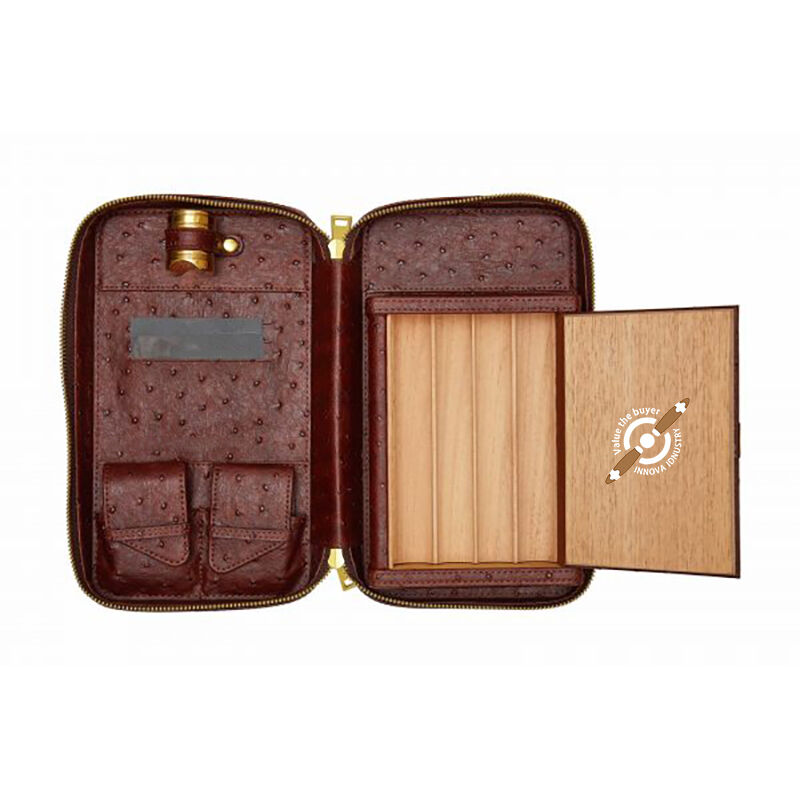
Selecting premium cigar jars for wholesale distribution requires a strategic approach that balances aesthetic appeal, functional performance, and market positioning. Businesses operating in the luxury tobacco accessories sector understand that wholesale buyers evaluate products based on multiple criteria including material quality, design differentiation, preservation capabilities, and retail profit potential. The decision-making process extends beyond simple procurement to encompass brand alignment, target customer demographics, and competitive positioning within increasingly discerning markets. Premium cigar jars serve dual purposes as both functional storage solutions and luxury display items, making the selection process particularly nuanced for businesses seeking to establish strong wholesale partnerships.
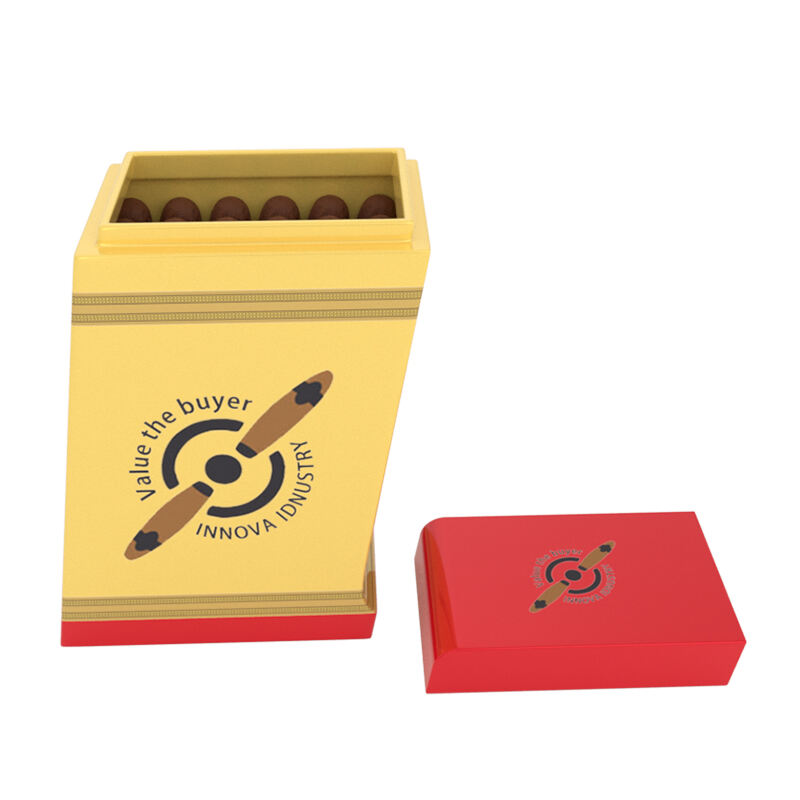
Wholesale buyers in the tobacco accessories market prioritize suppliers who demonstrate comprehensive understanding of retail dynamics, consumer preferences, and product longevity. Businesses that successfully navigate the selection process recognize that premium cigar jars must deliver tangible value propositions that justify wholesale investment and enable competitive retail pricing. The evaluation framework encompasses technical specifications such as humidity control mechanisms, seal integrity, and material durability alongside softer factors including visual impact, brand story, and merchandising flexibility. Understanding how businesses systematically assess these interconnected variables enables more effective product sourcing, stronger supplier relationships, and ultimately higher success rates in wholesale channels.
Understanding Wholesale Buyer Priorities in Premium Cigar Storage
Material Quality Assessment and Long-Term Durability
Wholesale buyers evaluate premium cigar jars primarily through the lens of material integrity and construction longevity. Ceramic remains the preferred material for high-end cigar storage due to its natural moisture regulation properties, temperature stability, and luxury market positioning. Businesses must verify that ceramic vessels feature proper wall thickness, kiln-firing techniques that ensure structural integrity, and glazing processes that prevent moisture penetration while maintaining breathability. The material selection directly impacts wholesale pricing structures, as buyers calculate per-unit costs against expected product lifespan and replacement cycles within retail environments.
The durability assessment extends to stress testing under typical retail handling conditions, including repeated opening and closing, accidental impacts, and exposure to varying temperature conditions. Wholesale buyers specifically examine seal mechanisms for wear resistance, ceramic edges for chip susceptibility, and glaze surfaces for scratch resistance. Businesses that provide material certification documentation, manufacturing process transparency, and warranty terms strengthen their positioning with wholesale partners. Premium cigar jars that demonstrate measurable durability advantages command higher wholesale prices while reducing buyer concerns about inventory loss through breakage or premature product failure.
Preservation Performance and Humidity Control Capabilities
Functional performance represents a critical selection criterion as wholesale buyers assess whether premium cigar jars deliver genuine preservation benefits beyond decorative value. The evaluation focuses on humidity maintenance capabilities, air exchange rates, and seal effectiveness in preventing volatile compound loss. Businesses must demonstrate that their products maintain optimal humidity levels between sixty-five and seventy-five percent without requiring electronic humidification systems. This natural regulation capability distinguishes premium ceramic jars from basic glass containers and positions products for higher-value wholesale channels including specialty tobacco retailers and luxury lifestyle boutiques.
Wholesale buyers increasingly request performance data documenting humidity stability over extended periods, typically thirty to ninety days under controlled conditions. Businesses that invest in third-party testing and provide verifiable performance metrics gain significant competitive advantages in wholesale negotiations. The preservation assessment also considers capacity optimization, with buyers favoring designs that accommodate standard cigar dimensions while minimizing empty space that accelerates humidity fluctuations. Premium cigar jars that balance aesthetic design with measurable preservation performance appeal to wholesale buyers serving educated consumers who understand proper cigar storage requirements and expect products to deliver functional value proportional to premium pricing.
Visual Appeal and Retail Display Effectiveness
The aesthetic dimension of premium cigar jars significantly influences wholesale buyer decisions, as visual impact directly correlates with retail conversion rates and average transaction values. Businesses must evaluate design elements including surface finishes, decorative techniques, proportional balance, and color palette alignment with contemporary luxury trends. Wholesale buyers specifically assess whether jar designs create immediate visual distinction on retail shelves, photograph effectively for online merchandising, and communicate premium positioning without verbal explanation. The visual evaluation encompasses both empty jar presentation and loaded display scenarios, as retail environments showcase products both ways depending on merchandising strategies.
Color selection and surface treatment options provide differentiation opportunities that appeal to wholesale buyers seeking exclusive product lines or seasonal collection variations. Handcrafted decorative elements, artisan glazing techniques, and limited edition finishes create perceived scarcity that supports premium pricing structures throughout wholesale and retail channels. Businesses should recognize that wholesale buyers increasingly favor designs offering merchandising flexibility, including complementary pieces that enable cross-selling opportunities and collection-building behaviors among retail customers. Premium cigar jars that balance timeless elegance with contemporary design sensibilities maintain relevance across multiple selling seasons, reducing wholesale buyer concerns about inventory obsolescence and markdown requirements.
Market Positioning Strategies That Attract Wholesale Partners
Price-Value Relationship and Wholesale Margin Structures
Wholesale buyers analyze premium cigar jars through detailed margin calculations that account for landed costs, inventory carrying expenses, and required retail price points. Businesses must structure wholesale pricing that enables standard keystone markup or better while maintaining competitive retail positioning. The calculation extends beyond simple cost-plus formulas to consider category-specific factors including perceived value thresholds, competitive benchmark pricing, and consumer price sensitivity at different retail price bands. Wholesale buyers typically require minimum forty to fifty percent gross margins on premium cigar jars to justify inventory investment and retail floor space allocation.
The value proposition must align wholesale cost with tangible product attributes that consumers recognize and appreciate, including material quality, craftsmanship evidence, and functional superiority. Businesses that clearly articulate value justification through material specifications, production processes, and performance testing strengthen wholesale buyer confidence in retail pricing sustainability. Premium cigar jars positioned at higher wholesale price points require corresponding premium indicators such as handcrafted elements, limited production quantities, or artisan collaboration stories that wholesale buyers can translate into compelling retail narratives. The pricing strategy should also accommodate volume tier structures that reward larger wholesale commitments while maintaining price integrity across buyer categories.
Brand Story Development and Market Differentiation
Wholesale buyers increasingly prioritize suppliers who provide comprehensive brand narratives that facilitate retail storytelling and customer engagement. Businesses must develop origin stories, craftsmanship philosophies, and design inspiration frameworks that wholesale partners can leverage across multiple customer touchpoints including sales conversations, packaging inserts, and digital content. The brand story for premium cigar jars should emphasize authentic elements such as artisan maker backgrounds, traditional production techniques, or material sourcing practices that resonate with luxury consumer values including authenticity, sustainability, and cultural preservation.
Market differentiation extends to positioning strategies that carve distinct category niches rather than competing directly on generic premium attributes. Businesses might emphasize specific design philosophies such as minimalist modernism, traditional craftsmanship revival, or cultural heritage interpretation that appeal to defined wholesale buyer segments. The differentiation strategy should align with target retail environments, whether high-end tobacco shops, luxury home goods boutiques, or contemporary design stores. Wholesale buyers value suppliers who maintain consistent brand expression across product lines, packaging systems, and marketing collateral, as this coherence reduces their internal costs for retail integration and staff training while strengthening overall category presentation.
Minimum Order Quantities and Inventory Risk Management
Wholesale buyers carefully evaluate minimum order quantity requirements against their inventory risk tolerance and cash flow constraints. Businesses must balance production efficiency needs with market access objectives when establishing MOQ policies for premium cigar jars. Lower minimums attract smaller specialty retailers and facilitate market testing, while higher thresholds ensure production cost optimization but limit buyer universe. The optimal MOQ strategy considers production batch economics, storage capacity constraints, and relationship development timelines with new wholesale accounts. Many successful businesses implement tiered MOQ structures that reward commitment while providing accessible entry points for emerging wholesale relationships.
Inventory risk considerations extend to product obsolescence concerns, particularly for premium cigar jars featuring trend-dependent design elements or seasonal color palettes. Wholesale buyers favor suppliers offering core collection stability with controlled new introduction cadences that balance freshness with inventory predictability. Businesses can reduce buyer inventory risk through flexible reorder terms, stock rotation programs, or limited markdown protection policies that strengthen partnership foundations. The inventory discussion should also address lead time expectations, production capacity transparency, and restock reliability factors that wholesale buyers weigh when allocating purchasing budgets across supplier portfolios. Premium cigar jars with proven sell-through performance and reliable replenishment cycles naturally command preferred supplier status and expanded wholesale distribution opportunities.
Technical Specifications That Influence Wholesale Decisions
Dimensional Standards and Storage Capacity Optimization
Wholesale buyers evaluate premium cigar jars against industry-standard cigar dimensions to ensure products accommodate popular vitola formats without excessive space that compromises humidity control. The internal capacity assessment considers both quantity accommodation and dimensional compatibility with common cigar lengths ranging from four to seven inches and ring gauges from thirty-eight to sixty. Businesses must provide precise internal dimension specifications including height, diameter, and shape profiles that wholesale buyers can cross-reference against their target customer cigar preferences. Capacity optimization becomes particularly important for premium cigar jars positioned at higher price points, as buyers expect maximum utility relative to footprint and investment.
The dimensional specification extends to external measurements that impact retail display density and shipping efficiency. Wholesale buyers calculate products-per-shelf-foot metrics and case-pack-to-pallet ratios when evaluating inventory efficiency. Premium cigar jars with optimized external proportions that maximize display visibility while minimizing wasted shelf space gain preference in wholesale selection processes. Businesses should also consider standard packaging dimensions that align with common shipping carton sizes and pallet configurations, as logistics efficiency directly impacts wholesale landed costs. The complete dimensional assessment encompasses product weight considerations that affect shipping costs, handling requirements, and retail merchandising practicality, particularly for premium cigar jars featuring substantial ceramic construction.
Seal Mechanism Design and Maintenance Requirements
The seal system represents a critical technical element that wholesale buyers scrutinize for both performance reliability and user experience quality. Premium cigar jars typically employ cork gaskets, silicone rings, or ground glass seals, each offering distinct advantages in moisture retention, replacement cycles, and operational feel. Businesses must clearly communicate seal technology choices, expected lifespan under normal use conditions, and replacement part availability. Wholesale buyers favor designs where seal components can be easily replaced without specialized tools or technical knowledge, as this serviceability extends product lifespan and reduces customer service burden for retail partners.
The seal evaluation encompasses operational characteristics including opening force requirements, closure audibility, and wear indicators that signal replacement timing. Wholesale buyers particularly value seal designs that provide positive closure feedback through tactile or acoustic signals that reassure users about proper sealing. Premium cigar jars with seal systems requiring no maintenance beyond periodic replacement appeal to wholesale buyers targeting convenience-oriented consumers despite premium market positioning. Businesses should provide clear maintenance documentation, replacement part ordering information, and expected service intervals that wholesale buyers can incorporate into customer education materials. The seal discussion should also address performance degradation patterns, as buyers prefer predictable wear characteristics over sudden failure modes that generate negative customer experiences.
Packaging Design and Shipping Damage Prevention
Wholesale buyers assess packaging systems for premium cigar jars through dual lenses of retail presentation value and shipping protection effectiveness. The packaging must balance premium unboxing experience expectations with practical damage prevention during distribution channel handling. Businesses should invest in structural packaging designs that immobilize products during transit, absorb impact forces, and prevent surface abrasion while presenting finished aesthetics appropriate for gift-giving scenarios. The packaging evaluation includes material quality assessment, graphics reproduction fidelity, and information completeness regarding product features, care instructions, and brand storytelling elements.
Damage prevention capabilities directly impact wholesale buyer total cost calculations, as breakage rates affect net landed costs and inventory shrinkage metrics. Businesses that document low damage rates through distribution testing and provide protective packaging warranties strengthen their wholesale value propositions. Premium cigar jars require packaging solutions that accommodate their weight and fragility characteristics while maintaining reasonable dimensional efficiency for shipping cost optimization. Wholesale buyers particularly value packaging designs that facilitate retail shelf display without complete unpacking, enabling products to remain protected until final sale. The packaging discussion should encompass sustainability considerations, as environmentally conscious wholesale buyers increasingly prioritize recyclable materials and minimal packaging waste in supplier evaluation processes.
Building Wholesale Relationships Through Product Support
Marketing Collateral and Sales Tool Provision
Wholesale buyers value suppliers who provide comprehensive marketing support materials that reduce their internal costs for retail merchandising and sales staff training. Businesses should develop professional product photography, detailed specification sheets, care instruction guides, and brand story content that wholesale partners can deploy across physical and digital retail environments. The marketing collateral for premium cigar jars should emphasize lifestyle context imagery that helps retail customers envision products within their personal spaces, alongside technical detail sufficient for educated buyers seeking functional validation. High-resolution images with multiple angle views, dimensional overlays, and scale references enable wholesale buyers to create effective online product listings and print catalog presentations.
Sales tool provision extends to point-of-purchase displays, product comparison charts, and customer education materials that facilitate retail conversion. Wholesale buyers particularly appreciate suppliers who invest in custom display solutions that elevate product presentation while communicating premium positioning through materials and construction quality. Businesses might provide counter displays, shelf talkers, or demonstration units that wholesale buyers can deploy with minimal setup effort. The marketing support discussion should address digital asset availability, including downloadable graphics, video content, and social media templates that wholesale partners can adapt for their specific audience engagement strategies. Premium cigar jars supported by robust marketing ecosystems reduce wholesale buyer implementation friction and accelerate time-to-revenue for new product introductions.
Training Programs and Product Knowledge Resources
Comprehensive training resources enable wholesale buyer retail staff to confidently present premium cigar jars and address customer questions regarding materials, care requirements, and functional benefits. Businesses should develop training modules covering product differentiation, key selling features, common objection handling, and cross-selling opportunities with complementary products. The training format might include video presentations, written guides, or interactive webinar sessions depending on wholesale partner preferences and distribution channel characteristics. Effective training programs emphasize practical selling scenarios and provide retail associates with concrete talking points that translate technical specifications into customer-relevant benefits.
Product knowledge resources should address frequently asked questions about premium cigar jars including humidity management principles, capacity recommendations for different cigar collections, and care instructions for long-term appearance maintenance. Wholesale buyers value suppliers who maintain accessible support channels where retail staff can obtain rapid answers to unusual customer inquiries or technical questions. Businesses might implement dealer portals providing on-demand access to updated product information, troubleshooting guides, and warranty claim procedures. The knowledge support framework should extend to end-user resources that wholesale buyers can distribute to retail customers, including care guides, humidity monitoring recommendations, and collection management tips that enhance product satisfaction and reduce return rates. Premium cigar jars backed by comprehensive knowledge ecosystems build wholesale buyer confidence and strengthen long-term partnership foundations.
Warranty Terms and Return Policy Frameworks
Wholesale buyers carefully evaluate warranty coverage and return policy terms when assessing supplier risk profiles and overall partnership attractiveness. Businesses should establish clear warranty frameworks for premium cigar jars that address manufacturing defects, material failures, and functional performance shortfalls while defining reasonable coverage periods and claim procedures. The warranty terms must balance generous customer protection with realistic failure rate expectations and claim administration costs. Wholesale buyers favor suppliers offering straightforward claim processes with rapid resolution timelines and minimal documentation burdens, as complicated warranty procedures create retail customer service friction and damage brand perception.
Return policy frameworks should address both wholesale buyer inventory management needs and end-consumer satisfaction guarantees. Businesses might implement limited return windows for wholesale stock adjustments while maintaining extended coverage for documented defects or performance issues. The return discussion should clarify whether replacement product ships before defective unit return, who bears return shipping costs, and how warranty claims affect wholesale buyer account standing. Premium cigar jars with comprehensive warranty backing and flexible return accommodation appeal to risk-averse wholesale buyers entering new product categories or testing unfamiliar suppliers. The warranty communication should emphasize statistical reliability metrics that contextualize coverage generosity, helping wholesale buyers understand that comprehensive protection reflects product confidence rather than expected failure rates. Clear warranty terms reduce pre-purchase uncertainty and facilitate faster wholesale buying decisions for premium cigar jar introductions.
FAQ
What wholesale minimum order quantities are typical for premium cigar jars?
Minimum order quantities for premium cigar jars typically range from twelve to forty-eight units depending on product price point, production complexity, and supplier scale. Artisan producers often set lower minimums between twelve and twenty-four pieces to accommodate specialty retailers, while larger manufacturers may require forty-eight to one hundred twenty units for efficient production runs. Some suppliers implement tiered pricing structures where minimums decrease for reorders after initial opening purchases, rewarding ongoing wholesale relationships with improved accessibility. Businesses should evaluate their storage capacity, cash flow constraints, and expected sales velocity when assessing MOQ requirements, recognizing that higher commitments often unlock better per-unit costs but increase inventory risk for unproven products.
How do wholesale buyers evaluate ceramic quality in premium cigar jars?
Wholesale buyers assess ceramic quality through multiple indicators including material density, glaze uniformity, firing temperature verification, and structural integrity under stress testing. High-quality ceramic for premium cigar jars should exhibit consistent wall thickness, smooth interior surfaces free from glaze pooling or rough patches, and edges showing proper finishing techniques. Buyers often request information about kiln firing temperatures and cycles, as higher-temperature firings generally produce denser, more durable ceramics with superior moisture regulation properties. Physical inspection includes checking for hairline cracks, color consistency across production batches, and weight appropriate to volume that indicates proper material density rather than thin-walled construction using inferior clay bodies.
What profit margins do retailers typically achieve on premium cigar jars?
Retailers typically achieve gross profit margins between forty and sixty percent on premium cigar jars, depending on wholesale cost structures, competitive positioning, and local market dynamics. Specialty tobacco retailers at the higher end of the luxury market may achieve margins approaching sixty-five percent on exclusive or limited edition ceramic jars, while general home goods retailers typically operate closer to forty percent margins with faster inventory turnover expectations. The margin calculation must account for carrying costs, display space allocation, and staff time investment in customer education, as premium cigar jars require more sales support than commodity tobacco accessories. Wholesale buyers evaluate whether proposed retail price points support their target margin thresholds while remaining competitive within their specific market contexts and customer demographics.
How important is supplier location for wholesale cigar jar sourcing decisions?
Supplier location influences wholesale sourcing decisions primarily through shipping cost implications, lead time considerations, and communication efficiency factors rather than quality assumptions. Domestic suppliers offer advantages in rapid replenishment capability, reduced shipping expenses for small reorders, and simplified communication across matching time zones and language contexts. International suppliers may provide cost advantages on larger orders and access to distinctive design aesthetics or traditional craftsmanship techniques unavailable domestically. Wholesale buyers weigh location factors against total landed cost calculations, minimum order quantity requirements, and relationship management preferences. Premium cigar jars sourced internationally require careful logistics planning and typically favor larger, less frequent orders to optimize container shipping economics, while domestic sources enable more flexible inventory management through smaller, more frequent replenishment cycles.
Table of Contents
- Understanding Wholesale Buyer Priorities in Premium Cigar Storage
- Market Positioning Strategies That Attract Wholesale Partners
- Technical Specifications That Influence Wholesale Decisions
- Building Wholesale Relationships Through Product Support
-
FAQ
- What wholesale minimum order quantities are typical for premium cigar jars?
- How do wholesale buyers evaluate ceramic quality in premium cigar jars?
- What profit margins do retailers typically achieve on premium cigar jars?
- How important is supplier location for wholesale cigar jar sourcing decisions?