EN
EN




Mastering the Art of Wholesale Cigar Accessory Procurement
The cigar industry continues to experience steady growth, making it crucial for distributors to source premium quality cigar cutters that meet the discerning demands of both retailers and end consumers. Understanding the intricate details of cigar cutters, from materials to mechanisms, can significantly impact your business success in the luxury tobacco accessories market. This comprehensive guide will help you navigate the complex process of selecting and ordering cigar cutters in bulk while maintaining quality standards and maximizing profit margins.
Essential Features of Premium Cigar Cutters
Material Quality and Durability
When evaluating cigar cutters for bulk orders, the material composition stands as a critical factor. High-grade stainless steel remains the industry standard, offering exceptional durability and corrosion resistance. Premium cigar cutters often feature surgical-grade stainless steel blades, ensuring precise cuts and longevity. The handle or body materials typically range from aircraft-grade aluminum to premium metals like titanium, each offering unique benefits in terms of weight, durability, and aesthetic appeal.
Consider the environmental conditions in your target market, as humidity and temperature can affect different materials differently. Stainless steel and coated metals generally perform better in humid environments, making them ideal for cigar lounges and tropical locations.
Cutting Mechanism Precision
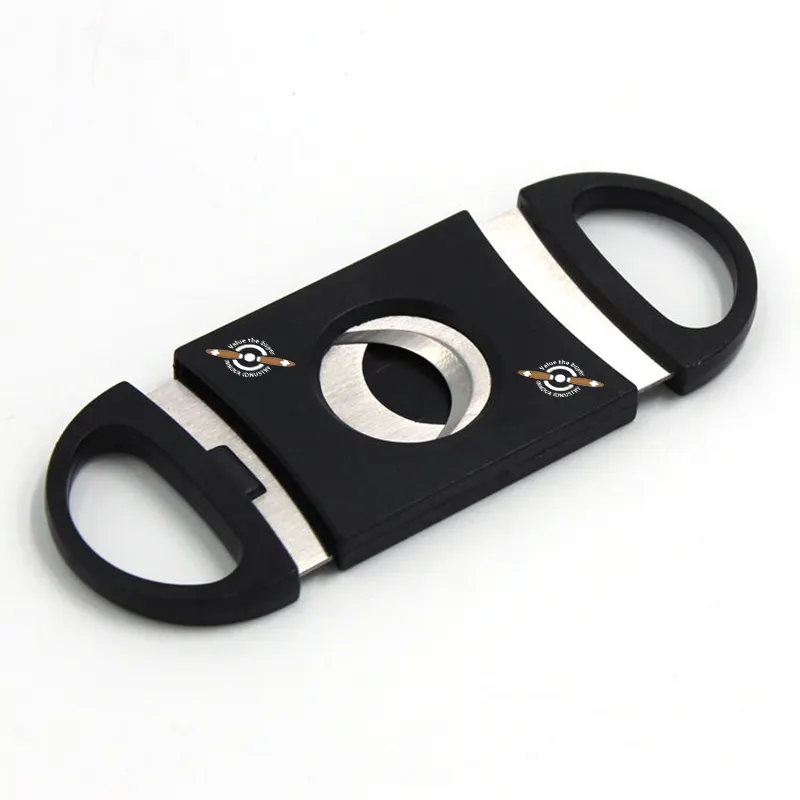
The cutting mechanism's quality directly influences the user experience and product longevity. Double-blade guillotine cutters have become increasingly popular due to their ability to deliver clean, even cuts without crushing the cigar's delicate wrapper. Self-sharpening features and precision-engineered mechanisms ensure consistent performance over time, reducing customer complaints and returns.
Spring-loaded mechanisms offer additional convenience and maintain blade alignment, though they require thorough quality testing when ordering in bulk. The smoothness of the cutting action and the blade's ability to maintain sharpness through repeated use should be primary considerations in your selection process.
Understanding Market Demand and Consumer Preferences
Style and Design Considerations
The aesthetic appeal of cigar cutters plays a significant role in consumer purchasing decisions. Modern smokers often seek accessories that complement their personal style while maintaining functionality. Consider offering a range of finishes, from classic brushed steel to sophisticated black titanium coatings. Limited edition designs or customizable options can create additional value propositions for your retail partners.
Ergonomic design features have gained importance among consumers who appreciate thoughtful engineering. Comfortable grip patterns, balanced weight distribution, and smooth edges contribute to the overall user experience and perceived value of the product.
Price Point Optimization
Strategic pricing requires careful consideration of your target market segments. Entry-level cigar cutters should offer reliable performance while maintaining acceptable profit margins. Premium segments demand higher-quality materials and sophisticated design elements that justify elevated price points.
Volume discounts from manufacturers can significantly impact your pricing strategy. Building strong relationships with reliable suppliers enables you to negotiate better terms while ensuring consistent quality across bulk orders. Consider implementing a tiered pricing structure that accommodates different market segments while maintaining healthy margins.
Quality Control and Supplier Selection
Manufacturing Standards
Establishing strict quality control protocols helps maintain consistency across bulk orders of cigar cutters. Request detailed information about manufacturing processes, quality testing procedures, and failure rates. Reputable manufacturers should provide certification of materials and demonstrate consistent quality across production batches.
Consider conducting independent quality assessments, especially when working with new suppliers. Testing samples from different production runs helps ensure consistent performance and identifies potential issues before they affect your retail partners.
Supplier Reliability and Communication
Effective communication with suppliers proves essential for successful bulk ordering. Look for manufacturers who demonstrate transparency in their production timelines, pricing structures, and minimum order quantities. Regular updates on production status and potential delays help manage inventory effectively and maintain relationships with retail partners.
Evaluate suppliers based on their track record of meeting delivery schedules and handling quality issues. A reliable supplier should offer clear warranty terms and demonstrate willingness to address problems promptly when they arise.
Frequently Asked Questions
What is the ideal minimum order quantity for bulk cigar cutters?
The ideal minimum order quantity typically ranges from 100 to 500 units, depending on the manufacturer and product quality tier. Higher quantities often qualify for better pricing, but consider storage requirements and market demand when determining order volumes.
How should warranty coverage be handled for bulk orders?
Most premium cigar cutters come with manufacturer warranties ranging from one to five years. Establish clear warranty terms with suppliers and ensure proper documentation accompanies each order to facilitate smooth warranty claim processing for your retail partners.
What are the most important quality indicators for cigar cutters?
Key quality indicators include blade material grade, cutting mechanism smoothness, overall construction durability, and consistency of performance across multiple uses. Additional factors include the precision of the cut, ease of maintenance, and resistance to wear under regular use conditions.
How often should bulk order quantities be reviewed and adjusted?
Review order quantities quarterly based on sales data, seasonal trends, and market feedback. Consider factors such as storage costs, lead times, and minimum order requirements when adjusting bulk purchase volumes to optimize inventory management and cash flow.