EN
EN



Manufacturing professional-grade cigar cutters requires a deep understanding of precision engineering, material science, and user ergonomics. The global tobacco accessories market has witnessed significant growth, with discerning cigar enthusiasts demanding tools that deliver consistent, clean cuts without damaging premium cigars. Professional cigar cutter design encompasses multiple critical factors including blade geometry, construction materials, cutting mechanisms, and durability standards that separate commercial-grade products from consumer alternatives.
Essential Design Principles for Professional Cigar Cutters
Blade Engineering and Geometry
The foundation of any exceptional cigar cutter lies in its blade design and engineering precision. Professional-grade blades require specific geometric angles that create clean, precise cuts through tobacco leaf wrappers without tearing or crushing the internal structure. Manufacturers must carefully calculate blade angles between 20 to 35 degrees, ensuring optimal cutting performance across various cigar ring gauges. The blade edge geometry directly impacts cutting efficiency, with convex bevels providing superior performance compared to straight-edged alternatives.
Blade sharpness retention represents another critical engineering consideration for professional applications. High-quality cigar cutters maintain their cutting edge through hundreds of uses, requiring specialized heat treatment processes and premium steel alloys. Manufacturing tolerances must remain within 0.001 inches to ensure consistent blade alignment and cutting performance. Professional cigar shops and tobacconists rely on cutters that maintain precision over extended periods, making blade durability a paramount design requirement.
Material Selection and Construction Quality
Material selection profoundly influences both performance and longevity in professional cigar cutter design. Stainless steel grades such as 440C or VG-10 provide exceptional corrosion resistance while maintaining sharp cutting edges over extended use periods. These premium materials resist tobacco residue buildup and maintain their structural integrity under repeated stress cycles. Manufacturers must balance material costs against performance requirements, as professional users expect consistent operation regardless of environmental conditions or usage frequency.
Construction techniques directly impact overall product reliability and user satisfaction. Precision machining, proper heat treatment, and quality control measures ensure each cigar cutter meets professional standards. Investment casting or CNC machining provides superior dimensional accuracy compared to stamped or formed alternatives. Professional-grade products require seamless operation, smooth action, and consistent cutting force throughout their operational lifespan.
Mechanical Design and Cutting Mechanisms
Guillotine Cutting Systems
Guillotine-style cigar cutters represent the most popular professional cutting mechanism due to their simplicity and effectiveness. These designs feature dual opposing blades that create clean, straight cuts across cigar caps without crushing or deforming the tobacco structure. Professional guillotine cutters require precise blade alignment and consistent spring tension to ensure uniform cutting pressure. The mechanical advantage provided by lever systems allows users to generate sufficient cutting force with minimal finger pressure.
Spring mechanisms within guillotine designs must provide consistent tension across thousands of cutting cycles without fatigue or degradation. Manufacturers utilize high-quality spring steel or specialized alloys that maintain their elastic properties under repeated compression and extension. Proper spring design ensures smooth blade operation while providing adequate return force for consistent performance. Professional users expect reliable operation without blade binding or inconsistent cutting pressure.
Punch and V-Cut Alternatives
Alternative cutting mechanisms such as punch cutters and V-cut designs serve specific professional applications and user preferences. Punch cutters create circular holes in cigar caps, providing controlled draw characteristics preferred by some cigar enthusiasts. Professional punch designs require precisely sized cutting cylinders and sharp circular cutting edges that penetrate cleanly without tearing wrapper leaves. Manufacturing consistency ensures uniform hole diameters across production runs.
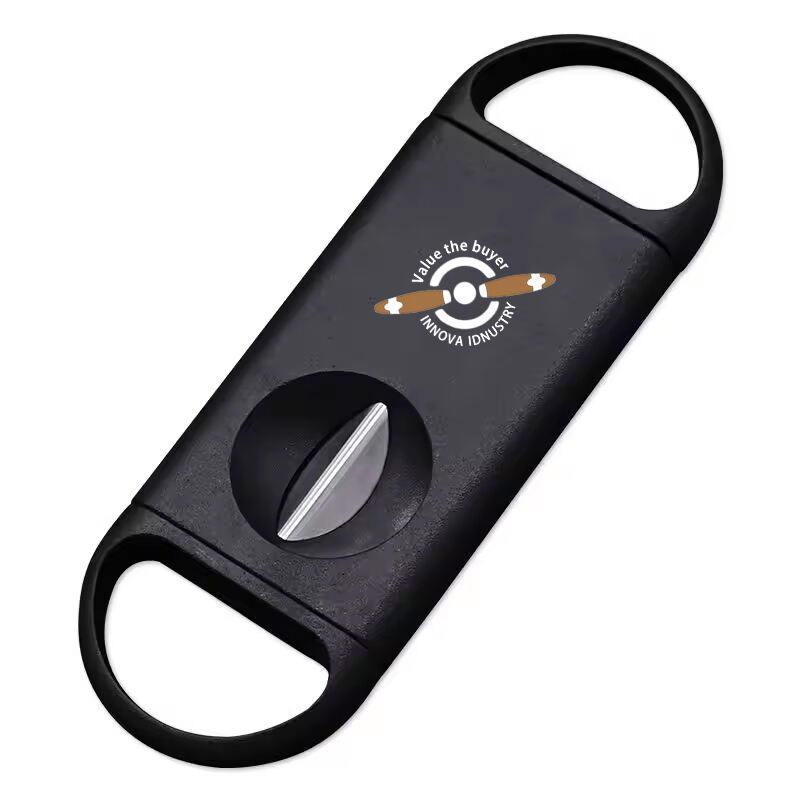
V-cut mechanisms create wedge-shaped openings that expose more tobacco surface area while maintaining structural integrity. These specialized cigar cutter designs require complex blade geometries and precise manufacturing tolerances to achieve consistent V-shaped cuts. Professional applications often demand multiple cutting options, leading manufacturers to develop combination tools that incorporate multiple cutting mechanisms within single products.
Ergonomic Considerations and User Experience
Handle Design and Grip Optimization
Professional cigar cutter ergonomics directly influence user comfort and cutting precision during extended use periods. Handle designs must accommodate various hand sizes while providing secure grip surfaces that prevent slippage during operation. Textured surfaces, finger grooves, and contoured shapes enhance user control and reduce fatigue during repeated cutting operations. Professional tobacconists and cigar lounge staff require tools that remain comfortable throughout busy service periods.
Weight distribution affects both user comfort and cutting stability in professional applications. Properly balanced cutters provide better control and reduce hand strain during extended use. Manufacturers must optimize material distribution to achieve ideal weight balance while maintaining structural strength and durability. Heavy cutters provide stability but may cause fatigue, while lightweight designs might sacrifice cutting power or perceived quality.
Portability and Professional Presentation
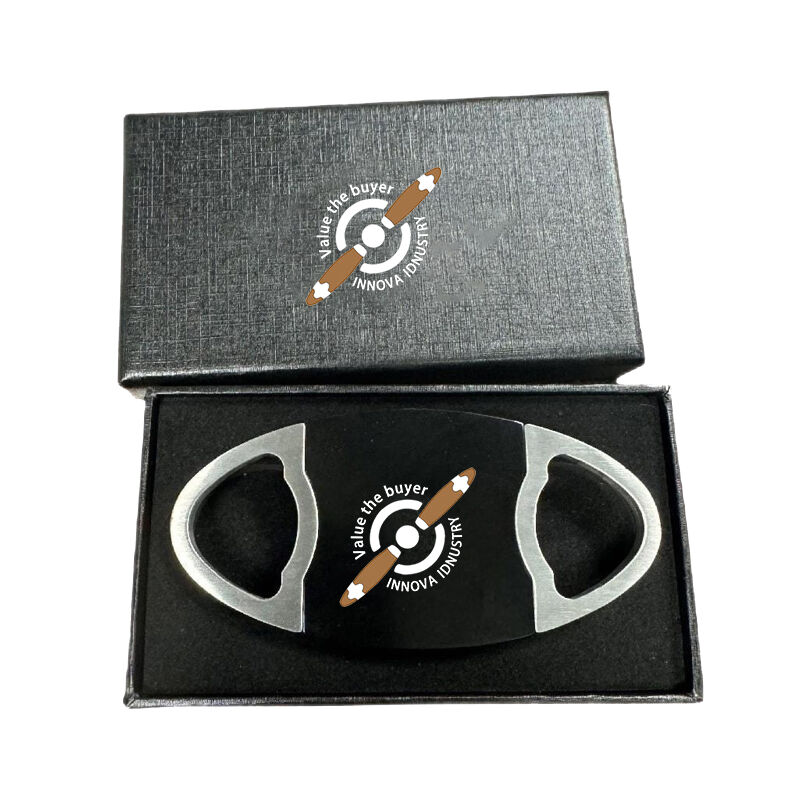
Professional cigar cutters must balance portability requirements with robust construction and premium presentation. Compact designs facilitate easy transport while maintaining full functionality and cutting capacity. Folding mechanisms or protective cases enable safe transport without compromising blade sharpness or mechanical precision. Professional users often carry cutters as part of their cigar accessories collection, requiring designs that project quality and sophistication.
Surface finishes and aesthetic details contribute to professional appeal and brand perception. Polished stainless steel, anodized aluminum, or premium coating applications enhance visual appeal while providing corrosion protection. Laser engraving, embossed logos, or decorative elements allow customization for professional establishments or corporate gifts. Professional-grade cutters serve as both functional tools and status symbols within cigar enthusiast communities.
Quality Control and Manufacturing Standards
Precision Manufacturing Requirements
Manufacturing precision directly determines professional cigar cutter performance and longevity. Tight dimensional tolerances ensure proper blade alignment, smooth operation, and consistent cutting results across production runs. Computer-controlled machining equipment enables manufacturers to maintain tolerances within 0.001 inches, critical for professional-grade performance. Quality control measures must verify dimensional accuracy, surface finish quality, and mechanical function before product release.
Testing protocols for professional cigar cutters include cutting force measurements, blade sharpness evaluation, and durability assessments under simulated use conditions. Professional-grade products undergo extensive quality testing including thousands of cutting cycles to verify mechanical reliability. Material testing confirms proper heat treatment, hardness levels, and corrosion resistance performance. These comprehensive testing procedures ensure products meet professional standards and user expectations.
Consistency and Production Scalability
Professional cigar cutter manufacturing requires consistent production methods that deliver uniform quality across large production volumes. Standardized manufacturing processes, quality control checkpoints, and statistical process control ensure every unit meets professional standards. Automated manufacturing systems reduce human error while maintaining precision requirements essential for professional applications. Investment in proper manufacturing equipment and training enables consistent quality delivery.
Scalability considerations affect manufacturing cost structures and market competitiveness for professional cigar cutter producers. Efficient production systems enable competitive pricing while maintaining quality standards demanded by professional users. Lean manufacturing principles reduce waste and improve efficiency without compromising product quality. Professional market segments often require specialized features or customization options that impact production scalability and cost structures.
Market Requirements and Professional Applications
Commercial and Retail Environment Demands
Professional cigar cutters used in commercial environments face demanding operational requirements including frequent daily use, multiple user handling, and consistent performance expectations. Cigar lounges, tobacco shops, and hospitality venues require cutters that maintain precision and reliability despite intensive use patterns. Commercial applications often involve cutting hundreds of cigars daily, placing extreme demands on mechanical components and cutting edges.
Hygiene considerations become paramount in commercial applications where multiple users share cutting implements. Professional-grade cutters require smooth surfaces that facilitate cleaning and sanitization between uses. Stainless steel construction resists bacterial growth while enabling effective cleaning protocols. Some professional environments require disposable cutting elements or easy blade replacement systems to maintain sanitary conditions.
Premium Market Positioning and Brand Differentiation
Professional cigar cutter markets demand premium positioning strategies that emphasize quality, performance, and craftsmanship over price competition. Brand differentiation relies on superior materials, precision manufacturing, and innovative design features that provide tangible benefits to professional users. Limited edition designs, custom engraving services, and premium packaging enhance perceived value and justify professional pricing levels.
Professional cigar cutter brands often develop relationships with industry influencers, cigar manufacturers, and retail establishments to build credibility and market presence. Product endorsements from respected tobacconists, cigar reviewers, and industry publications provide valuable marketing leverage. Professional users often prioritize brand reputation and product reliability over initial purchase price, creating opportunities for premium positioning strategies.
Innovation and Future Development Trends
Advanced Materials and Manufacturing Technologies
Emerging materials technologies offer opportunities for next-generation professional cigar cutter development. Advanced ceramics provide exceptional hardness and corrosion resistance while maintaining sharp cutting edges indefinitely. Carbon fiber composites enable lightweight construction without sacrificing strength or durability. These advanced materials require specialized manufacturing techniques but offer performance advantages for professional applications.
Additive manufacturing technologies enable complex internal geometries and customized designs impossible with traditional manufacturing methods. 3D printing capabilities allow rapid prototyping and small-batch production for specialized professional applications. Metal printing technologies produce high-strength components with intricate internal features that enhance functionality. These manufacturing advances enable innovative designs while reducing development costs and time-to-market.
Smart Technology Integration
Technology integration represents an emerging trend in professional cigar cutter development, with smart features enhancing user experience and operational tracking. Digital sensors can monitor cutting force, blade wear, and usage patterns to optimize performance and maintenance schedules. Bluetooth connectivity enables data collection and analysis for commercial applications requiring usage tracking or inventory management.
Professional establishments benefit from connected devices that track usage patterns, maintenance requirements, and customer preferences. Smart cigar cutter systems can recommend optimal cutting techniques based on cigar dimensions or user preferences. These technological enhancements provide competitive advantages while maintaining the fundamental functionality that professional users demand.
FAQ
What blade materials provide the best performance for professional cigar cutters
Professional cigar cutters typically utilize high-carbon stainless steel alloys such as 440C or VG-10 that provide optimal hardness, corrosion resistance, and edge retention. These premium materials maintain sharp cutting edges through thousands of cutting cycles while resisting tobacco residue buildup and environmental corrosion. Proper heat treatment and tempering processes are essential for achieving optimal blade performance in professional applications.
How do manufacturers ensure consistent cutting performance across production runs
Manufacturers maintain consistent cutting performance through precision manufacturing techniques including CNC machining, strict dimensional tolerances, and comprehensive quality control testing. Each cigar cutter undergoes blade alignment verification, cutting force measurement, and durability testing to ensure professional standards. Statistical process control methods monitor production consistency and identify potential quality variations before products reach professional users.
What cutting capacity should professional cigar cutters accommodate
Professional cigar cutters should accommodate ring gauges up to 70 or larger to handle premium cigars and specialty formats. Commercial applications often require cutting capacity for multiple cigars simultaneously or oversized formats popular among enthusiasts. Adjustable cutting mechanisms or multiple size options enable versatility for different cigar types while maintaining precision cutting performance across all supported sizes.
How do ergonomic factors impact professional cigar cutter design
Ergonomic design directly affects user comfort, cutting precision, and operational efficiency in professional environments. Proper handle geometry, weight distribution, and grip surfaces reduce user fatigue during extended use periods while maintaining cutting accuracy. Professional users require comfortable operation throughout busy service periods, making ergonomic optimization essential for commercial applications and user satisfaction.