EN
EN



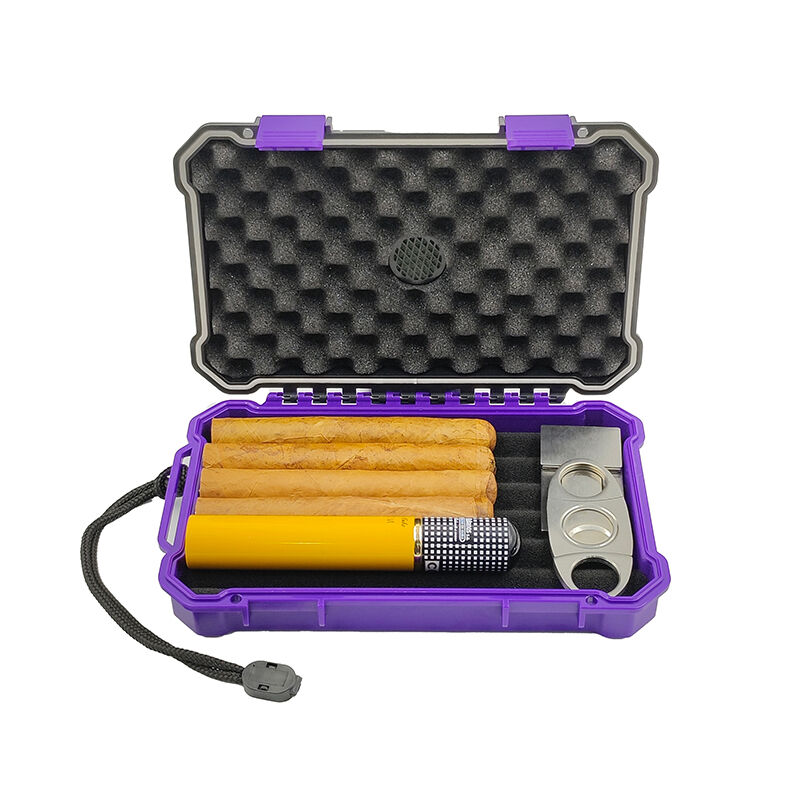
When purchasing cigar lighters in bulk quantities for retail distribution, wholesale operations, or corporate gifting programs, buyers prioritize two critical performance attributes: durability and safety. Manufacturers face the challenge of delivering cigar lighters that withstand repeated daily use while meeting stringent safety standards across diverse regulatory environments. The production process for bulk cigar lighters involves specialized material selection, rigorous quality control protocols, and engineering designs that balance cost efficiency with long-term reliability. Understanding how manufacturers achieve these dual objectives helps procurement professionals make informed sourcing decisions and ensures end-users receive products that perform consistently without compromising user safety or brand reputation.
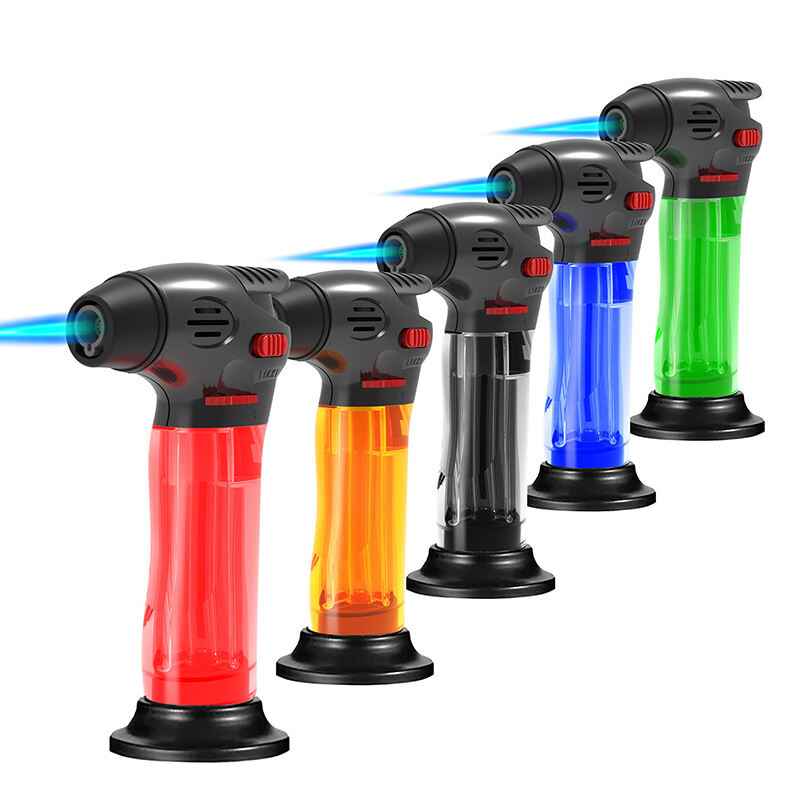
The manufacturing approach for bulk cigar lighters differs significantly from artisan or limited-edition models due to scale considerations and economic constraints. Production facilities must implement systematic quality assurance measures that verify each unit meets minimum performance thresholds while maintaining profitability at volume pricing. This involves establishing precise tolerances for ignition mechanisms, fuel containment systems, and flame regulation components that directly impact both product longevity and user protection. The following sections examine the specific methodologies manufacturers employ to ensure cigar lighters delivered in bulk quantities maintain structural integrity throughout their operational lifespan and incorporate fail-safe mechanisms that prevent accidents during normal and abnormal usage conditions.
Material Engineering and Component Selection for Structural Durability
High-Grade Metal Alloys in Body Construction
Manufacturers of premium cigar lighters destined for bulk distribution typically utilize zinc alloy or brass compositions for the external housing rather than lightweight plastic alternatives. These metal alloys provide superior impact resistance, which proves essential when cigar lighters experience accidental drops onto hard surfaces or undergo compression stress in pockets or bags. The die-casting process allows manufacturers to create complex body geometries with consistent wall thickness, eliminating weak points that could fracture under mechanical stress. For bulk production runs, manufacturers implement statistical sampling protocols to verify alloy composition matches specifications, ensuring each batch of cigar lighters maintains identical structural properties. This material consistency prevents quality variations between early and late production units within large orders.
The surface treatment applied to metal body components directly influences corrosion resistance and aesthetic longevity. Electroplating processes deposit protective layers of nickel, chrome, or gold-tone finishes that shield underlying metal from oxidation caused by moisture exposure or hand oils. Manufacturers conducting bulk production of cigar lighters establish minimum plating thickness standards, typically ranging from eight to twelve microns depending on target market expectations. Quality control laboratories perform salt spray testing on representative samples, simulating years of environmental exposure within accelerated timeframes to verify coating adhesion and corrosion protection meet durability benchmarks before authorizing shipment of complete bulk orders.
Ignition System Components and Wear Resistance
The piezoelectric ignition mechanism represents the most critical component affecting long-term reliability in modern cigar lighters. Manufacturers source piezo crystals from specialized suppliers who provide materials with guaranteed strike counts exceeding thirty thousand actuations, ensuring cigar lighters function reliably throughout typical consumer usage patterns. The mechanical linkage connecting the trigger button to the piezo hammer utilizes hardened steel pins and phosphor bronze springs designed to withstand repeated compression cycles without deformation. During bulk production, manufacturers implement automated testing stations that cycle each assembled ignition system through two hundred consecutive strikes, identifying defective units before final assembly into cigar lighters destined for bulk shipment.
The fuel valve assembly in refillable cigar lighters requires precision engineering to prevent gas leakage while accommodating thermal expansion across temperature ranges. Manufacturers employ brass valve bodies with rubber O-rings made from fuel-resistant synthetic compounds such as nitrile or fluorocarbon elastomers. These sealing components maintain integrity when exposed to butane fuel chemistry and temperature fluctuations between negative ten and sixty degrees Celsius. Quality assurance protocols for bulk cigar lighters include pressure decay testing, where assembled units are pressurized with test gas and monitored for pressure loss over extended periods, ensuring valve assemblies meet leak prevention standards before packaging for bulk distribution.
Flame Adjustment Mechanisms and Control Precision
Adjustable flame height functionality in cigar lighters requires precise gas flow regulation achieved through needle valve assemblies with micro-thread pitch designs. Manufacturers machine these adjustment screws from brass or stainless steel, ensuring thread engagement remains smooth throughout thousands of adjustment cycles without stripping or binding. The valve seat against which the needle seals utilizes hardened materials that resist erosion from high-velocity gas flow, maintaining consistent flow control characteristics throughout the operational life of cigar lighters. Bulk production facilities implement go/no-go gauging systems that verify flame adjustment ranges fall within specified parameters, typically spanning from ten millimeters to fifty millimeters flame height measured under standardized conditions.
Windproof torch flame cigar lighters incorporate venturi mixing chambers that combine butane gas with atmospheric oxygen before ignition, creating stable combustion resistant to air currents. The precision of these mixing chambers directly affects flame stability and fuel efficiency. Manufacturers utilize computer numerical control machining or precision injection molding to produce mixing chambers with internal dimensions held to tolerances within fifty microns, ensuring consistent flame characteristics across all units in bulk production runs. Quality control teams conduct flame performance testing using calibrated wind tunnel equipment, verifying cigar lighters maintain ignition and stable combustion when exposed to airflows up to twenty kilometers per hour, which represents typical outdoor conditions encountered during cigar smoking activities.
Safety Integration Through Design and Testing Protocols
Child-Resistant Mechanisms and Activation Force Requirements
Regulatory frameworks in major markets mandate child-resistant features for all cigar lighters distributed through commercial channels. Manufacturers implement mechanisms requiring simultaneous multi-directional inputs or minimum activation forces exceeding capabilities of children under five years of age. Common designs include safety switches that must be depressed while actuating the primary ignition trigger, or sliding guards that cover ignition buttons until deliberately repositioned by users. Engineering teams conduct anthropometric studies to establish force thresholds that prevent child activation while remaining accessible for adult users with varying hand strength. Bulk production validation includes testing with standardized child surrogate panels following protocols established by consumer product safety commissions, ensuring ninety-five percent of test subjects under specified age cannot operate cigar lighters within prescribed time limits.
The mechanical durability of child-resistant features represents a critical safety concern throughout the product lifecycle. Manufacturers subject safety mechanisms to endurance testing involving repeated activation cycles far exceeding expected consumer usage patterns, typically ten thousand operations for cigar lighters intended for bulk commercial distribution. These tests verify that springs, detents, and locking components maintain proper function without degradation that could compromise child resistance after extended use. Material selection for safety components emphasizes fatigue resistance, with manufacturers specifying heat-treated stainless steel for springs and impact-modified polymers for guard components. Quality assurance protocols for bulk orders include periodic retesting of safety mechanism effectiveness on randomly selected units from production batches, ensuring consistency across entire shipment volumes.
Flame Guard Design and Burn Prevention Features
Physical barriers surrounding the flame outlet zone in cigar lighters serve dual purposes of wind protection and user safety. Manufacturers design these flame guards using thermal modeling software to predict heat distribution patterns during extended operation, ensuring external surfaces contacted by users remain below temperatures causing discomfort or tissue damage. For torch-style cigar lighters producing concentrated flames, guards typically incorporate heat-dissipating fins or ventilation channels that promote convective cooling of metal components. Material selection favors alloys with high thermal conductivity such as copper-nickel or aluminum bronze, which rapidly distribute localized heating across larger surface areas. Bulk production testing includes continuous operation protocols where cigar lighters run for durations exceeding typical cigar lighting applications, with infrared thermography documenting surface temperature distributions to verify compliance with safety standards limiting touchable surfaces to sixty degrees Celsius maximum.
Automatic flame extinguishing features provide critical safety protection against accidental prolonged ignition. Most contemporary cigar lighters incorporate spring-return mechanisms that automatically shut off gas flow when users release the activation button, preventing continuous burning if lighters are dropped or forgotten while ignited. Manufacturers test these fail-safe mechanisms through drop testing protocols where ignited cigar lighters are released from heights of one meter onto various surface types, verifying immediate flame extinction upon impact regardless of landing orientation. Additional safety protocols examine resistance to sustained compression, simulating scenarios where activated cigar lighters become trapped under objects. Quality standards mandate flame extinction within two seconds of trigger release under all test conditions, with validation testing conducted on statistically significant sample sizes from each bulk production run before authorization for commercial shipment.
Pressure Relief Systems and Fuel Container Integrity
Internal fuel reservoirs in refillable cigar lighters must withstand significant pressure differentials resulting from temperature variations and altitude changes during storage and transportation. Manufacturers engineer fuel chambers with safety margins exceeding normal operating pressures by factors of three to five, typically designing for sustained internal pressures of ten bar while actual operating pressures rarely exceed three bar. Tank construction utilizes seamless brass tubes or precision-welded assemblies with radiographic inspection verification for bulk production units. Critical welds undergo destructive testing on statistical samples from each production batch, with hydrostatic burst testing confirming failure pressures exceed design specifications by minimum safety factors established in pressure vessel standards applicable to consumer products.
Pressure relief mechanisms provide final-layer protection against catastrophic failure in extreme conditions exceeding design parameters. These safety features typically consist of calibrated rupture discs or spring-loaded relief valves that vent fuel in controlled manner if internal pressure approaches dangerous levels. Manufacturers position these relief pathways to direct venting away from ignition sources and typical hand positions during use. Validation testing for bulk cigar lighters includes thermal abuse scenarios where units are exposed to elevated temperatures simulating vehicle interior conditions in summer climates, verifying pressure relief activation occurs at predetermined thresholds before structural failure of fuel containment. Quality documentation for bulk orders includes certification of pressure relief functionality testing, providing purchasers with verification that safety systems function as designed across production volumes.
Quality Control Methodologies in Bulk Manufacturing Operations
Statistical Process Control and Batch Validation
Large-scale manufacturers of cigar lighters implement statistical process control systems that continuously monitor critical dimensions and performance parameters throughout production sequences. Automated measurement equipment integrated into assembly lines captures data on component specifications such as valve seat concentricity, spring force consistency, and flame guard alignment. Control charts track these measurements against established tolerances, with automated alerts triggering production halts when measurements trend toward specification limits before actual defects occur. This predictive approach to quality management proves particularly valuable for bulk cigar lighters production where early detection of process drift prevents manufacture of large quantities of non-conforming units. Statistical analysis of accumulated data enables manufacturers to optimize process parameters, gradually tightening tolerances and improving overall quality consistency across bulk shipment volumes.
Batch validation protocols establish traceability systems linking individual cigar lighters to specific raw material lots, production dates, and manufacturing personnel. Manufacturers assign unique batch codes to production runs, typically representing single-shift output or specific quantity thresholds. Representative samples from each batch undergo comprehensive functional testing including ignition reliability assessment, flame characteristic verification, and safety feature validation. Test results are documented in batch records that accompany bulk shipments, providing purchasers with objective quality data for incoming inspection validation. When defects are detected in field use, batch coding systems enable rapid identification of potentially affected inventory, facilitating targeted recalls or investigations limited to specific production windows rather than entire bulk order volumes.
Functional Testing Protocols and Performance Verification
Comprehensive functional testing of cigar lighters destined for bulk distribution includes multiple validation stages throughout manufacturing processes. Initial component-level testing verifies individual elements such as piezoelectric igniters, fuel valves, and adjustment mechanisms meet performance specifications before assembly integration. Manufacturers utilize automated testing equipment capable of high-throughput evaluation, processing hundreds of components per hour with objective pass-fail determination based on measurable criteria. This tiered testing approach identifies defective components before value-added assembly labor investment, improving overall production efficiency while ensuring only conforming parts comprise finished cigar lighters in bulk shipments.
Final assembly testing subjects completed cigar lighters to multi-parameter validation sequences replicating consumer usage patterns. Automated testing stations cycle units through ignition sequences, flame height adjustments, and safety mechanism activation while monitoring success rates and performance consistency. Advanced testing facilities incorporate machine vision systems that analyze flame characteristics including color, shape, and stability, comparing captured images against reference standards to detect subtle variations indicating potential defects. Manufacturers establish minimum acceptable quality levels for bulk orders, typically requiring ninety-nine percent pass rates on functional testing before authorizing shipment. Units failing any test parameter are segregated for failure analysis, with findings used to implement corrective actions preventing recurrence in subsequent production of cigar lighters.
Environmental Stress Testing and Reliability Validation
Accelerated life testing exposes representative samples of cigar lighters to environmental stresses exceeding normal usage conditions to predict long-term reliability and identify potential failure modes. Thermal cycling protocols subject units to repeated temperature transitions between extreme cold and heat, verifying component integrity and seal effectiveness across operating temperature ranges. Manufacturers conduct vibration testing simulating transportation stresses and mechanical shock exposure typical of consumer handling. Humidity exposure testing evaluates corrosion resistance and moisture intrusion prevention for cigar lighters destined for diverse climate zones. The duration and severity of environmental testing protocols scale with expected product lifespan and target market quality expectations, with premium cigar lighters intended for bulk commercial distribution undergoing more rigorous validation than economy-grade alternatives.
Drop testing protocols evaluate structural integrity and continued functionality after impact events typical of accidental drops during consumer use. Manufacturers establish test matrices specifying multiple drop orientations from prescribed heights onto various surface types including concrete, tile, and wood flooring. Post-drop inspection examines both cosmetic damage and functional impairment, with acceptance criteria permitting minor finish blemishes while requiring full operational capability. For bulk orders of cigar lighters, manufacturers conduct drop testing on statistically determined sample quantities, with sampling plans designed to provide confidence levels that entire production lots meet durability standards. Advanced testing facilities utilize high-speed video capture to analyze failure mechanisms during impact events, informing design improvements that enhance structural resilience in subsequent production generations.
Certification Compliance and Regulatory Adherence for Commercial Distribution
International Safety Standards and Testing Certification
Manufacturers supplying cigar lighters for bulk commercial distribution must obtain certifications demonstrating compliance with safety standards applicable in target markets. In North American markets, compliance with standards established by consumer product safety authorities requires independent laboratory testing verifying child resistance, flame characteristics, and structural integrity meet prescribed criteria. European markets mandate conformity with European standards covering similar safety parameters plus additional requirements for fuel capacity limitations and warning label specifications. Asian markets implement various national standards with differing technical requirements and testing protocols. Manufacturers serving global bulk distribution channels typically pursue multi-standard certification, conducting comprehensive testing programs that address most stringent requirements across regulatory jurisdictions, ensuring cigar lighters qualify for unrestricted international commerce.
The certification process for bulk cigar lighters involves submission of representative production samples to accredited testing laboratories that conduct prescribed test sequences under witnessed conditions. Testing protocols evaluate child resistance using standardized surrogate panels, assess flame extinguishment timing, verify pressure resistance, and confirm structural durability through drop and thermal testing. Successful completion of all required tests results in certification documentation that manufacturers provide to bulk purchasers, enabling importers and distributors to demonstrate regulatory compliance to customs authorities and retail channels. Manufacturers maintain ongoing compliance through periodic recertification testing and production surveillance audits conducted by certification bodies, ensuring cigar lighters manufactured months or years after initial certification continue meeting safety standards throughout extended production runs serving bulk order fulfillment.
Quality Management System Implementation and Audit Readiness
Reputable manufacturers of cigar lighters for bulk commercial markets implement formal quality management systems conforming to international standards for manufacturing operations. These management frameworks establish documented procedures governing all aspects of production including supplier qualification, incoming material inspection, process control, final inspection, and corrective action implementation. The systematic approach to quality management provides bulk purchasers with confidence that manufacturing operations incorporate checks and balances preventing quality deterioration over time or across different production batches. Third-party certification of quality management systems through recognized registrars adds independent validation of manufacturer capabilities, with periodic surveillance audits verifying continued compliance with established procedures for cigar lighters production.
Documentation systems supporting quality management enable comprehensive traceability from raw materials through finished goods distribution. Manufacturers maintain records linking specific cigar lighters in bulk shipments to component suppliers, production dates, test results, and inspection outcomes. This documentation infrastructure facilitates rapid response to quality issues identified in field use, enabling manufacturers to quickly determine scope of potential problems and implement targeted corrective actions. For bulk purchasers, access to production documentation provides transparency into manufacturing quality practices and objective evidence supporting product conformance claims. Advanced manufacturers implement digital quality management systems with cloud-based data access, allowing authorized bulk customers to review quality records and certification status for their specific orders through secure web portals.
Hazardous Materials Compliance and Transportation Regulations
Cigar lighters containing pressurized flammable fuel face strict regulatory controls governing storage and transportation as hazardous materials. Manufacturers must comply with international dangerous goods regulations when shipping bulk quantities, implementing specialized packaging, labeling, and documentation protocols. Bulk shipments of cigar lighters typically require classification as limited quantity dangerous goods, with restrictions on packaging configurations, transportation modes, and shipping documentation requirements. Manufacturers establish logistics partnerships with carriers qualified to handle hazardous materials, ensuring bulk orders of cigar lighters move through distribution channels in compliance with applicable safety regulations. Non-compliance with hazardous materials transportation requirements exposes both manufacturers and purchasers to regulatory penalties and liability risks, making proper handling a critical component of bulk cigar lighters procurement.
Some manufacturers offer alternative fulfillment options for bulk orders including shipment of empty cigar lighters with separate fuel supplies, reducing transportation restrictions and logistics costs. This approach requires purchasers to implement fuel filling operations before retail distribution, adding operational complexity but potentially reducing landed costs for large volume orders. Manufacturers providing empty cigar lighters for bulk distribution must verify units function properly after customer fuel filling, requiring design features facilitating user refilling and quality control procedures confirming valve integrity prevents leakage throughout product lifespan. Bulk purchasers evaluating this fulfillment model should assess their operational capabilities for fuel handling and quality validation against potential cost savings compared to receiving factory-fueled cigar lighters ready for immediate resale.
FAQ
What minimum order quantities typically qualify as bulk purchases for cigar lighters?
Bulk order thresholds vary among manufacturers but generally begin at quantities of five hundred to one thousand units for standard production models. Manufacturers may offer volume pricing tiers with additional discounts for orders exceeding five thousand or ten thousand units. Custom branding or design modifications typically require higher minimum quantities, often starting at three thousand units to justify tooling investments. When evaluating bulk purchase opportunities for cigar lighters, buyers should request detailed pricing structures showing per-unit costs at different quantity breakpoints to identify optimal order volumes balancing unit cost reduction against inventory carrying expenses and cash flow considerations.
How do manufacturers address warranty claims for cigar lighters sold in bulk quantities?
Warranty policies for bulk cigar lighters purchases typically establish defect rate thresholds below which individual unit replacement is not required, recognizing that some minimal failure rate exists in any manufactured product. Common warranty terms specify replacement obligations if defect rates exceed one to two percent of shipped quantities within defined time periods, usually six to twelve months from delivery. Manufacturers may require return of defective units for failure analysis before authorizing warranty replacements, using findings to implement corrective actions preventing recurrence. Bulk purchasers should negotiate clear warranty terms during procurement including definition of covered defects, claim submission procedures, and replacement fulfillment timelines to establish mutual expectations for post-delivery support of cigar lighters orders.
Can manufacturers provide certificates of origin and trade compliance documentation for international bulk shipments?
Established manufacturers serving international markets routinely provide certificates of origin, commercial invoices with harmonized tariff classifications, and compliance declarations confirming cigar lighters meet safety standards applicable in destination countries. These documents facilitate customs clearance and may qualify bulk shipments for preferential tariff treatment under trade agreements. Buyers should specify required documentation during order placement, allowing manufacturers to prepare accurate paperwork aligned with import requirements in destination markets. Manufacturers with experience in international bulk distribution of cigar lighters typically maintain template documentation and established logistics partnerships simplifying cross-border movement of large quantity orders while ensuring regulatory compliance throughout international supply chains.
What testing documentation should bulk purchasers request to verify quality and safety compliance?
Comprehensive quality documentation for bulk cigar lighters orders should include certification test reports from accredited laboratories confirming compliance with applicable safety standards, batch-specific inspection records showing functional test results for the supplied production lot, material certificates for critical components such as fuel valves and ignition systems, and quality management system certifications demonstrating manufacturer adherence to formal production control procedures. Buyers may also request witness testing opportunities allowing their quality representatives to observe production and testing processes at manufacturer facilities before bulk shipment authorization. Thorough documentation review before accepting bulk deliveries enables purchasers to verify cigar lighters meet specified quality standards and provides supporting evidence for regulatory compliance claims when distributing products through retail channels.
Table of Contents
- Material Engineering and Component Selection for Structural Durability
- Safety Integration Through Design and Testing Protocols
- Quality Control Methodologies in Bulk Manufacturing Operations
- Certification Compliance and Regulatory Adherence for Commercial Distribution
-
FAQ
- What minimum order quantities typically qualify as bulk purchases for cigar lighters?
- How do manufacturers address warranty claims for cigar lighters sold in bulk quantities?
- Can manufacturers provide certificates of origin and trade compliance documentation for international bulk shipments?
- What testing documentation should bulk purchasers request to verify quality and safety compliance?