EN
EN



Selecting premium cigar matches that resonate with B2B buyers requires a strategic understanding of quality indicators, packaging aesthetics, brand positioning, and the functional requirements that distinguish commercial-grade products from consumer-oriented options. For distributors, retailers, hospitality venues, and corporate gift suppliers, the decision extends beyond simple fire-starting capability to encompass brand perception, customer experience enhancement, and profit margin optimization. Premium cigar matches serve as both a functional tool and a subtle statement of refinement, making the selection process critical for businesses aiming to position themselves within the luxury and premium tobacco accessories market.
The B2B procurement landscape for premium cigar matches differs fundamentally from retail consumer buying patterns. Business buyers evaluate suppliers based on consistency, scalability, customization potential, compliance with safety standards, and the ability to deliver products that enhance their own brand equity. Whether sourcing for high-end tobacconists, luxury hotels, private clubs, or corporate gifting programs, the selection criteria must balance aesthetic appeal with practical performance, cost-effectiveness with perceived value, and immediate availability with long-term supplier reliability. Understanding these multifaceted requirements forms the foundation for making informed sourcing decisions that satisfy both operational needs and market positioning objectives.
Understanding the B2B Market Dynamics for Premium Cigar Matches
Defining the Premium Segment in Cigar Accessories
The premium category within cigar accessories encompasses products that demonstrate superior materials, craftsmanship, design sophistication, and brand heritage. Premium cigar matches distinguish themselves through extended match lengths that accommodate the lighting ritual without risking finger burns, wood quality that burns cleanly without imparting unwanted flavors, and packaging that communicates luxury and attention to detail. B2B buyers in this segment recognize that these products serve a clientele with refined tastes and heightened expectations, where every touchpoint contributes to the overall experience. The premium designation also implies consistency in performance across batches, which is essential for maintaining reputation in commercial settings.
For B2B buyers, understanding the premium segment means recognizing that these products command higher price points justified by tangible quality differences. Premium cigar matches typically feature longer stick lengths ranging from 100mm to 150mm, use sustainably sourced hardwoods with controlled moisture content, and incorporate phosphorus-free ignition compounds that minimize sulfur odor. The packaging often includes reinforced boxes with magnetic closures, embossed logos, and protective striker surfaces that maintain functionality over extended periods. These specifications are not merely aesthetic enhancements but functional improvements that reduce waste, enhance user satisfaction, and reinforce brand positioning in competitive markets.
Identifying Key B2B Buyer Categories and Their Specific Needs
Different B2B buyer categories approach premium cigar matches with distinct priorities that influence selection criteria. High-end tobacconists and cigar lounges prioritize products that complement their curated inventory, seeking matches that align with the sophistication of their cigar offerings and enhance the customer's ritualistic experience. These buyers often require customization options such as branded packaging or logo incorporation, and they value suppliers who can provide consistent quality across repeat orders. The visual presentation of premium cigar matches on retail displays or lounge tables becomes a silent endorsement of the establishment's commitment to excellence.
Hospitality sector buyers, including luxury hotels, resorts, and private clubs, evaluate premium cigar matches through the lens of guest experience enhancement and operational efficiency. These buyers need products that arrive in bulk quantities with predictable delivery schedules, yet maintain individual packaging sophistication suitable for guest rooms or cigar terraces. The matches must perform reliably in various environmental conditions, from humid tropical climates to dry mountain resorts, without degradation. Corporate gift suppliers and promotional product companies represent another distinct category, seeking premium cigar matches that can be customized with client branding while maintaining a luxury aesthetic that reflects well on both the gift giver and recipient. Each category demands a tailored approach to product selection that addresses their unique operational context and customer expectations.
Market Trends Influencing B2B Purchasing Decisions
Contemporary B2B purchasing decisions for premium cigar matches are increasingly influenced by sustainability concerns, regulatory compliance requirements, and evolving consumer preferences for artisanal products. Environmental consciousness has prompted buyers to seek suppliers who demonstrate responsible forestry practices, use eco-friendly packaging materials, and minimize chemical treatments in match production. Certifications such as FSC (Forest Stewardship Council) approval have become valuable differentiators that allow B2B buyers to align their sourcing practices with corporate social responsibility commitments and appeal to environmentally conscious end consumers.
The premiumization trend across luxury goods categories extends to cigar accessories, with B2B buyers recognizing that customers are willing to invest in superior products that enhance their leisure experiences. This trend creates opportunities for suppliers offering premium cigar matches with unique design elements, limited edition collections, or artisanal production methods that differentiate them from mass-market alternatives. Additionally, the growth of experiential retail and hospitality concepts has increased demand for products that contribute to memorable customer moments, positioning premium cigar matches as essential elements of curated experiences rather than mere functional tools. B2B buyers who understand these trends can select products that position their businesses at the forefront of market evolution.
Critical Quality Parameters for Premium Cigar Matches
Material Composition and Wood Quality Assessment
The foundation of premium cigar matches lies in the quality of wood used for the matchsticks, which directly impacts burn characteristics, duration, and sensory experience. Superior premium cigar matches employ hardwoods such as aspen, poplar, or birch that have been properly seasoned to optimal moisture levels, typically between eight and twelve percent. This moisture control ensures consistent ignition and a steady, even burn that lasts sufficiently long to fully light a large-ring-gauge cigar without requiring multiple strikes. B2B buyers should evaluate suppliers based on their wood sourcing transparency and processing methods, as inferior materials result in matches that break easily, burn too quickly, or produce excessive smoke and odor.
Beyond the stick material, the ignition compound quality distinguishes premium offerings from standard matches. Premium cigar matches utilize refined phosphorus sesquisulfide formulations that ignite reliably with a single strike while minimizing the characteristic sulfur smell that can interfere with the cigar's aromatic profile. Some manufacturers employ strike-anywhere formulations for convenience, while others use safety match chemistry that requires the designated striking surface, each approach offering distinct advantages for different B2B applications. The chemical composition should comply with international safety standards including REACH regulations in Europe and CPSC guidelines in the United States, which is particularly important for B2B buyers serving multiple geographic markets or exporting products across borders.
Burn Performance and Consistency Standards
Burn performance represents a critical evaluation criterion that separates premium cigar matches from inferior alternatives in B2B contexts. Premium matches should demonstrate a burn time of at least forty-five to sixty seconds, providing ample duration to toast the cigar foot properly and achieve an even light without rushing the ritual. The flame should be stable and wind-resistant to a reasonable degree, which is particularly important for hospitality venues with outdoor cigar terraces or smoking areas. B2B buyers should request sample batches and conduct burn tests under conditions representative of their actual use environments, evaluating factors such as flame color, smoke production, and residual ash characteristics.
Consistency across production batches is equally important as individual match performance, especially for buyers who reorder regularly and maintain brand expectations with their customers. Premium cigar matches should exhibit minimal variation in ignition time, burn duration, and flame characteristics from batch to batch, which reflects robust quality control processes at the manufacturing level. B2B buyers can assess consistency by requesting batch tracking information, quality control documentation, and defect rate statistics from potential suppliers. Establishing clear performance specifications in procurement agreements, including acceptable defect thresholds and remedy procedures for substandard batches, protects business buyers from inventory disruptions and reputational damage associated with inconsistent product quality.
Safety Compliance and Regulatory Considerations
Safety compliance extends beyond basic functionality to encompass packaging, labeling, transportation, and storage requirements that vary across jurisdictions. Premium cigar matches must comply with hazardous materials regulations for shipping, which may restrict carrier options and influence logistics costs for B2B buyers. Proper classification under transportation codes, appropriate warning labels, and compliance with quantity limitations for air versus ground shipping all factor into the total cost of ownership and supply chain complexity. B2B buyers should verify that suppliers provide complete compliance documentation and assume liability for regulatory adherence, particularly when sourcing internationally.
Product liability considerations also influence selection decisions, as businesses that distribute premium cigar matches to end consumers bear responsibility for product safety performance. Reputable suppliers maintain product liability insurance and can provide safety testing reports from recognized laboratories demonstrating compliance with applicable standards. For B2B buyers serving regulated industries such as hospitality or operating in litigious markets, partnering with suppliers who maintain rigorous safety documentation and transparent manufacturing practices mitigates risk exposure. Additionally, some premium venues and corporate environments require childproof packaging or additional safety features, which should be addressed during the supplier selection process to ensure compatibility with operational requirements.
Packaging and Presentation Elements That Drive B2B Value
Luxury Packaging Design and Brand Communication
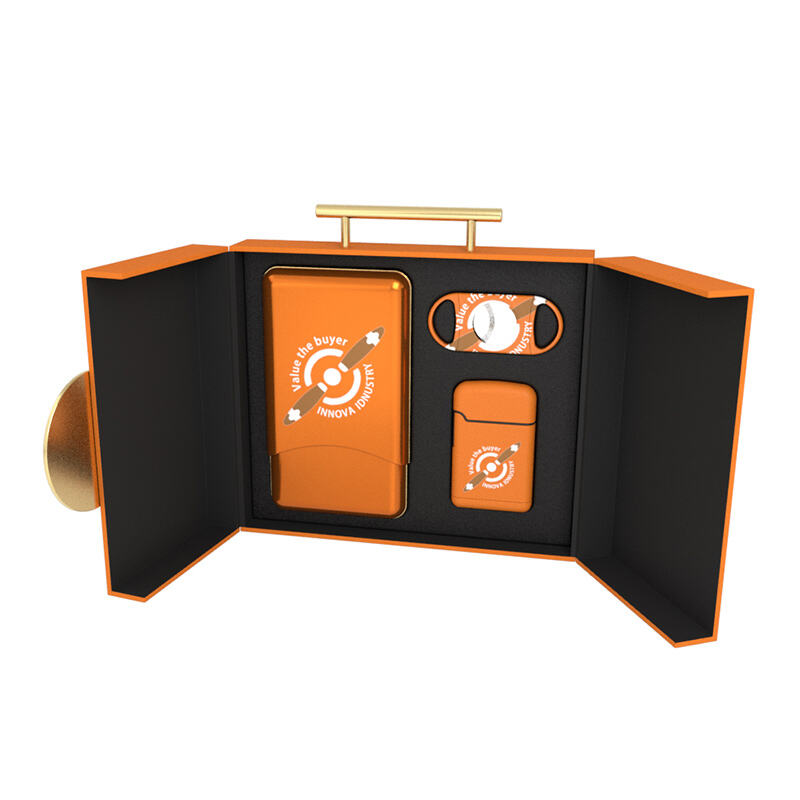
Packaging for premium cigar matches serves dual functions in B2B contexts: protecting product integrity during distribution and communicating brand values at the point of use. Luxury packaging typically incorporates rigid board construction, magnetic closures, embossed details, foil stamping, or specialty finishes that elevate perceived value and create unboxing moments that enhance customer experience. For tobacconists and retailers, the packaging becomes a display element that attracts attention and justifies premium pricing, while for hospitality buyers, it represents a brand touchpoint that reflects the establishment's standards and attention to guest experience. B2B buyers should evaluate whether packaging design aligns with their brand positioning and whether it will resonate with their specific customer demographics.
Customization capabilities represent a significant value driver for many B2B buyers, particularly those in corporate gifting, promotional products, or branded hospitality experiences. Premium cigar matches suppliers who offer logo printing, custom color schemes, personalized messaging, or bespoke box designs enable buyers to create differentiated products that strengthen brand identity and customer loyalty. The customization process should be straightforward, with clear minimum order quantities, reasonable lead times, and sample approval workflows that allow buyers to verify quality before committing to large production runs. B2B buyers should also consider packaging versatility, evaluating whether the same base product can be adapted for different use cases such as retail sale, guest amenity, or corporate gift through packaging modifications alone.
Practical Packaging Considerations for Commercial Distribution
Beyond aesthetic appeal, packaging for premium cigar matches must address practical requirements related to product protection, shelf life, and operational efficiency. Moisture protection is essential to maintain match performance, requiring packaging materials that provide barrier properties against humidity fluctuations during storage and transportation. Premium suppliers often incorporate desiccant packets, sealed inner liners, or moisture-resistant coatings that extend shelf life and ensure consistent performance even in challenging environmental conditions. B2B buyers operating in humid climates or those with extended inventory turnover periods should prioritize suppliers who demonstrate superior moisture management in their packaging systems.
Case packaging and bulk shipping configurations significantly impact logistics costs and inventory management efficiency for B2B buyers. Premium cigar matches should be available in master cartons that balance protection with dimensional efficiency, minimizing wasted space during transportation and storage. Clear labeling with batch codes, production dates, and handling instructions facilitates inventory rotation and quality tracking. For buyers with multiple locations or drop-shipping requirements, packaging should withstand the rigors of distributed logistics without compromising presentation quality at the final destination. Discussing packaging specifications early in the supplier selection process ensures alignment between operational requirements and product delivery formats, preventing costly adjustments after initial orders.
Sustainability and Environmental Messaging in Packaging
Environmental sustainability in packaging has evolved from a niche concern to a mainstream expectation among B2B buyers and their end customers. Premium cigar matches packaged in recyclable materials, featuring biodegradable components, or produced with minimal environmental impact appeal to businesses seeking to enhance their sustainability credentials. Certifications such as FSC, Carbon Neutral, or plastic-free designations provide verifiable evidence of environmental responsibility that buyers can communicate to stakeholders and customers. The sustainability narrative becomes particularly valuable in corporate gifting contexts, where recipients increasingly evaluate gifts through environmental and ethical lenses.
However, B2B buyers must balance sustainability aspirations with practical performance requirements, ensuring that eco-friendly packaging alternatives maintain the protective qualities and premium presentation necessary for the product category. Some sustainable materials may have limitations in moisture resistance, durability, or print quality that could compromise product performance or brand presentation. Engaging suppliers in transparent discussions about material tradeoffs, requesting samples of sustainable packaging options, and potentially conducting pilot programs before full adoption allows buyers to validate that environmental improvements do not inadvertently diminish product quality or customer satisfaction. The most successful sustainability strategies integrate environmental responsibility with commercial viability, creating value propositions that resonate across the supply chain.
Supplier Evaluation and Partnership Considerations
Assessing Manufacturing Capabilities and Quality Control Systems
Evaluating potential suppliers for premium cigar matches requires assessment of manufacturing infrastructure, quality control processes, and production capacity to ensure long-term reliability. B2B buyers should investigate whether suppliers operate dedicated facilities for premium products or produce across multiple quality tiers, as shared production lines may introduce consistency risks. Site visits or virtual factory tours provide valuable insights into manufacturing hygiene, material storage practices, and the sophistication of quality control equipment. Suppliers with documented quality management systems such as ISO 9001 certification demonstrate systematic approaches to consistency and continuous improvement, which correlates with reliable performance for B2B buyers.
Production capacity and scalability considerations become critical as business relationships mature and order volumes increase. B2B buyers should verify that suppliers maintain adequate capacity to accommodate growth without sacrificing quality or delivery timelines. Understanding lead times for standard orders versus customized products, minimum order quantities at various customization levels, and the supplier's ability to manage demand fluctuations during seasonal peaks protects buyers from inventory shortages or excess. Additionally, suppliers with diverse product portfolios within the premium cigar accessories category may offer bundling opportunities or consolidated logistics that improve operational efficiency and strengthen the partnership value proposition beyond the premium cigar matches themselves.
Pricing Structures and Total Cost of Ownership Analysis
Pricing for premium cigar matches in B2B contexts extends beyond unit cost to encompass volume discounts, customization fees, logistics expenses, and payment terms that collectively determine total cost of ownership. B2B buyers should request detailed pricing breakdowns that itemize base product costs, customization charges, packaging options, and any minimum order value requirements. Understanding the price-volume relationship allows buyers to optimize order quantities, balancing inventory carrying costs against volume discount benefits. Some suppliers offer tiered pricing structures that reward larger commitments or longer-term contracts, which may benefit established buyers with predictable demand patterns.
Total cost analysis should also account for less obvious expenses such as quality-related waste, customer returns, and reputational costs associated with inferior products. Premium cigar matches that demonstrate superior consistency may command higher unit prices but deliver better value through reduced defect rates and enhanced customer satisfaction. Logistics costs including shipping, duties, and handling fees can significantly impact total acquisition costs, particularly for international sourcing. B2B buyers should evaluate whether suppliers offer consolidated shipping, freight optimization, or regional distribution points that reduce transportation expenses. Payment terms including credit periods, early payment discounts, and currency options also influence cash flow management and should be negotiated as part of the overall value proposition rather than focusing exclusively on per-unit pricing.
Building Strategic Supplier Relationships for Competitive Advantage
Long-term supplier relationships for premium cigar matches offer strategic advantages beyond transactional cost savings, including preferential access to new products, collaborative customization development, and supply chain resilience during market disruptions. B2B buyers who approach supplier selection as a partnership rather than a purely transactional relationship often gain priority allocation during capacity constraints, flexibility during demand fluctuations, and supplier investment in solutions tailored to specific business needs. Establishing clear communication channels, regular business reviews, and mutual performance expectations creates alignment that benefits both parties and supports continuous improvement initiatives.
Strategic suppliers may also provide market intelligence, trend insights, and product development collaboration that enhances the buyer's competitive positioning. For example, suppliers with deep category expertise can advise on emerging consumer preferences, regulatory changes, or innovation opportunities that inform product selection and merchandising strategies. Collaborative relationships may enable co-development of exclusive products, limited editions, or white-label offerings that differentiate the buyer's brand in competitive markets. B2B buyers should invest relationship-building efforts proportionally to the strategic importance of premium cigar matches within their overall business, recognizing that category leadership often stems from supplier partnerships that deliver continuous value beyond basic procurement transactions.
Implementation Strategies for B2B Procurement Success
Developing Comprehensive Product Specifications and Selection Criteria
Successful procurement of premium cigar matches begins with clearly defined product specifications that translate business requirements into measurable supplier evaluation criteria. B2B buyers should document specifications covering match dimensions, wood type, burn duration, ignition compound composition, packaging materials, labeling requirements, and any customization elements. These specifications serve multiple purposes: guiding supplier identification, enabling objective comparison of competitive offerings, establishing quality acceptance standards, and providing contractual performance benchmarks. Detailed specifications reduce ambiguity in supplier communications and minimize the risk of receiving products that fail to meet operational needs or customer expectations.
Selection criteria should incorporate both quantitative and qualitative factors weighted according to business priorities. Quantitative criteria might include pricing thresholds, minimum order quantities, lead times, and defect rate tolerances, while qualitative factors encompass supplier reputation, customer service responsiveness, customization flexibility, and cultural fit. Developing a weighted scorecard that systematically evaluates potential suppliers across all relevant criteria enables data-driven decision-making and facilitates stakeholder alignment when multiple parties influence procurement decisions. The specification and criteria development process also provides an opportunity to consult with end users, sales teams, and operations staff who interact with the products, ensuring that procurement decisions reflect comprehensive business requirements rather than narrow purchasing department perspectives.
Implementing Sample Testing and Pilot Programs
Sample evaluation represents a critical validation step before committing to large-scale procurement of premium cigar matches. B2B buyers should request samples from multiple suppliers and conduct systematic testing that replicates actual use conditions as closely as possible. Testing protocols should evaluate ignition reliability, burn characteristics, flame stability, odor intensity, and ash residue under controlled conditions, with multiple team members conducting independent assessments to minimize individual bias. For hospitality applications, samples should be tested in actual venue environments across different weather conditions and times of day to verify real-world performance. Retail buyers might conduct customer preference testing, displaying samples alongside existing products to gauge aesthetic appeal and purchase intent.
Pilot programs provide valuable risk mitigation before full supplier transitions or large inventory commitments. A phased approach might involve placing a small initial order to assess supplier reliability regarding order accuracy, delivery timeliness, product consistency, and customer service responsiveness. During the pilot phase, B2B buyers can monitor key performance indicators such as customer feedback, return rates, reorder patterns, and any operational issues that emerge during actual use. Documenting pilot program results creates an evidence base for scaling decisions and provides benchmark data for ongoing supplier performance management. Pilot programs also establish working relationships and communication patterns with new suppliers, revealing compatibility and responsiveness that may not be apparent during initial sales interactions.
Optimizing Inventory Management and Reorder Processes
Effective inventory management for premium cigar matches balances product availability against carrying costs and shelf-life considerations. B2B buyers should establish reorder points based on historical consumption patterns, lead time variability, and desired service levels that prevent stockouts without accumulating excessive inventory. Safety stock calculations should account for demand uncertainty and supplier reliability, with higher buffers appropriate for buyers with variable demand patterns or those relying on distant suppliers with longer lead times. Premium cigar matches generally have extended shelf lives when properly stored, but moisture-sensitive nature requires climate-controlled storage and regular rotation to ensure consistent quality at the point of use.
Implementing systematic reorder processes with clear responsibility assignments and approval workflows prevents reactive purchasing that may compromise negotiating leverage or result in expedited shipping costs. Automated reorder triggers linked to inventory management systems enable proactive purchasing while minimizing manual monitoring burden. B2B buyers managing multiple product variants or serving multiple locations should consider vendor-managed inventory arrangements or consignment models with reliable suppliers, transferring inventory holding costs and management complexity while maintaining product availability. Regular inventory reviews that analyze turnover rates, obsolescence risks, and changing demand patterns inform adjustments to reorder parameters and support continuous improvement in inventory efficiency. Optimized inventory management reduces working capital requirements while ensuring that premium cigar matches remain available to support business operations and customer satisfaction objectives.
FAQ
What distinguishes premium cigar matches from standard matches in B2B procurement?
Premium cigar matches differ from standard matches in several critical dimensions that matter for B2B buyers. They feature longer stick lengths typically ranging from 100mm to 150mm to accommodate the cigar lighting ritual safely, use higher-quality hardwoods that burn cleanly without imparting unwanted flavors, and incorporate refined ignition compounds that minimize sulfur odor. The packaging is designed for luxury presentation with rigid construction, magnetic closures, and embossed details that enhance brand perception. Premium matches also demonstrate superior consistency across batches, comply with stringent safety standards, and often include sustainability certifications. These quality differences justify higher price points and align with the expectations of discerning customers in luxury tobacco, hospitality, and corporate gifting contexts.
How can B2B buyers verify the quality claims of premium cigar match suppliers?
B2B buyers can verify supplier quality claims through multiple validation approaches. Request detailed product specifications including wood species, moisture content, ignition compound composition, and manufacturing processes. Ask for certifications such as ISO 9001 for quality management, FSC for sustainable forestry, and safety compliance documentation for relevant markets. Conduct sample testing under conditions representative of your actual use environment, evaluating ignition reliability, burn duration, flame characteristics, and sensory factors. Request batch tracking information and defect rate statistics to assess consistency. Consider supplier facility visits or virtual tours to observe manufacturing hygiene and quality control processes firsthand. Finally, seek references from existing customers in similar business categories who can provide candid feedback about product performance and supplier reliability over extended periods.
What minimum order quantities should B2B buyers expect for customized premium cigar matches?
Minimum order quantities for customized premium cigar matches vary significantly based on customization complexity and supplier capabilities, but B2B buyers should generally expect minimums ranging from 1,000 to 10,000 units for basic customization such as logo printing or color selection. More complex customization including bespoke packaging design, unique box shapes, or specialty finishes may require higher minimums of 5,000 to 25,000 units to justify tooling costs and setup expenses. Some suppliers offer lower-minimum programs for initial orders or samples, recognizing that buyers need to validate market reception before committing to large quantities. When evaluating suppliers, discuss minimum order requirements early in conversations and understand how they scale with different customization levels. Buyers with lower volume needs might consider semi-custom options using pre-designed templates with limited personalization, which typically have more accessible minimums while still providing brand differentiation.
How important is supplier location when sourcing premium cigar matches for B2B applications?
Supplier location significantly impacts lead times, logistics costs, communication efficiency, and regulatory complexity, but should be balanced against other critical factors such as quality, pricing, and customization capabilities. Domestic suppliers offer advantages including shorter lead times, simplified compliance with local regulations, easier facility visits, and reduced transportation costs, which benefit buyers with urgent needs or those requiring frequent small replenishments. International suppliers, particularly those in established manufacturing regions, may provide cost advantages, broader product ranges, and specialized expertise that offset logistical challenges. B2B buyers should evaluate total landed cost including duties, freight, and handling rather than focusing exclusively on unit pricing. Consider diversifying suppliers across geographies to balance cost optimization with supply chain resilience, particularly for business-critical products where availability disruptions would significantly impact operations. Ultimately, supplier capability and reliability matter more than location alone, but geographic considerations should inform risk management and contingency planning strategies.
Table of Contents
- Understanding the B2B Market Dynamics for Premium Cigar Matches
- Critical Quality Parameters for Premium Cigar Matches
- Packaging and Presentation Elements That Drive B2B Value
- Supplier Evaluation and Partnership Considerations
- Implementation Strategies for B2B Procurement Success
-
FAQ
- What distinguishes premium cigar matches from standard matches in B2B procurement?
- How can B2B buyers verify the quality claims of premium cigar match suppliers?
- What minimum order quantities should B2B buyers expect for customized premium cigar matches?
- How important is supplier location when sourcing premium cigar matches for B2B applications?