EN
EN




Learning how to use a cigar cutter properly is an essential skill for any cigar enthusiast, as the cut directly influences the draw, flavor delivery, and overall smoking experience. A well-executed cut ensures an even burn and optimal airflow, while a poor cut can lead to unraveling wrappers, blocked draws, or harsh smoke that ruins the entire session. Whether you are new to cigars or refining your technique, understanding the mechanics and methods of using a cigar cutter will elevate your enjoyment and help you appreciate the craftsmanship behind premium tobacco products.
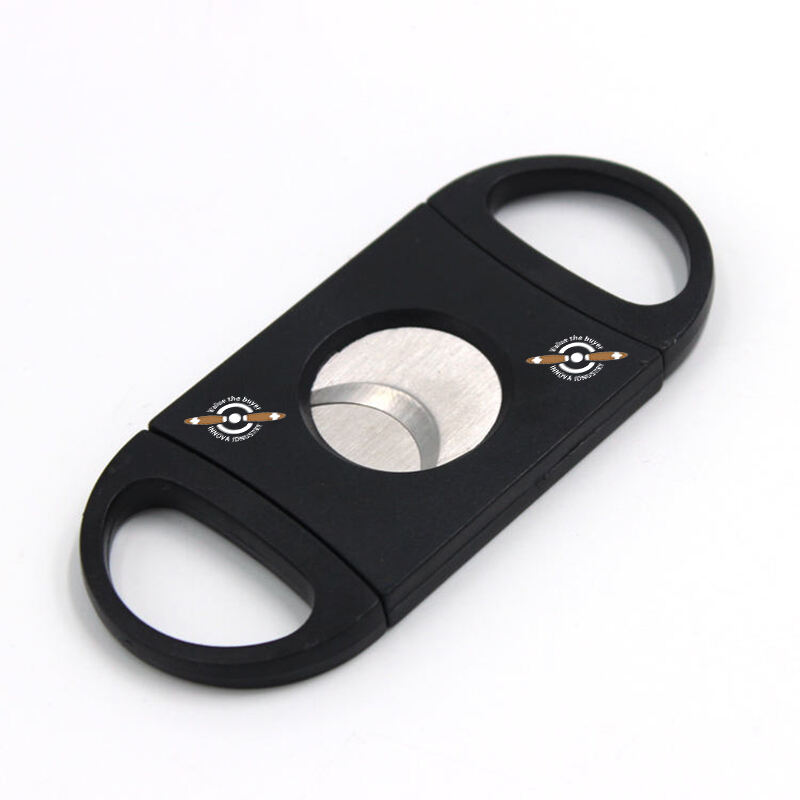
The process of using a cigar cutter involves more than simply removing the cap from the head of the cigar. It requires understanding the cigar's construction, identifying the correct cutting position, selecting the appropriate cutter type, and executing the cut with confidence and precision. Different cigar shapes, sizes, and wrapper styles may demand slight adjustments in technique, but the core principles remain consistent across all formats. This guide will walk you through the entire process step by step, covering preparation, positioning, cutting mechanics, and post-cut inspection to ensure you achieve professional results every time you prepare a cigar for smoking.
Preparing the Cigar Before Cutting
Inspecting the Cigar Construction
Before you use a cigar cutter, it is important to inspect the cigar carefully to assess its construction quality and identify the cap location. The cap is a small piece of tobacco leaf applied to the head of the cigar during rolling, and it serves to hold the wrapper in place. Most premium cigars feature a triple cap, which consists of three overlapping layers, while some machine-made or budget cigars may have a single cap or a simple adhesive closure. Recognizing the cap structure helps you determine where to make the cut without removing too much material or cutting into the body of the cigar, which can cause the wrapper to unravel during smoking.
Choosing the Right Cigar Cutter Type
Selecting the appropriate cigar cutter type is a critical step in the preparation process, as different cutters offer varying levels of control, precision, and ease of use. Guillotine cutters, also known as straight cutters, are the most common and versatile option, allowing you to remove a clean circular section from the cigar's head. Punch cutters create a small cylindrical hole in the cap, which provides a more concentrated draw and minimizes the risk of wrapper damage. V-cutters, or wedge cutters, produce a V-shaped notch that exposes more filler tobacco while maintaining the structural integrity of the cap. Each cutter type has its own advantages, and your choice should reflect your personal preference, the cigar's size, and the desired smoking experience.
Ensuring a Clean and Sharp Blade
The quality of your cigar cutter's blade directly impacts the cleanliness and precision of the cut, so it is essential to use a sharp, well-maintained tool. Dull or damaged blades tend to crush or tear the tobacco rather than slicing through it cleanly, which can result in a ragged cut, frayed wrapper edges, and compromised airflow. Before using a cigar cutter, inspect the blade for nicks, rust, or residue buildup, and clean it if necessary with a soft cloth and a small amount of rubbing alcohol. Investing in a high-quality cigar cutter with stainless steel or hardened blades ensures consistent performance and longevity, allowing you to achieve professional-grade cuts with minimal effort.
Understanding Cutting Position and Depth
Identifying the Shoulder Line
The shoulder line is the point on the cigar where the rounded head begins to transition into the straight body, and it serves as the ideal reference point for positioning your cut. When using a cigar cutter, you should aim to cut just above the shoulder line, removing only the cap while leaving the structural integrity of the wrapper intact. Cutting too far down below the shoulder line exposes the binder and filler tobaccos, which can cause the wrapper to loosen and unravel as you smoke. Conversely, cutting too high above the shoulder may leave the cap partially intact, resulting in a restricted draw and an unsatisfying smoking experience. Identifying the shoulder line requires careful visual inspection and a steady hand to ensure accurate placement.
Determining the Correct Cut Depth
The depth of your cut determines how much surface area is exposed for airflow, which in turn affects the draw resistance and flavor intensity of the cigar. A shallow cut that removes only a small portion of the cap will produce a tighter draw, concentrating the smoke and intensifying the flavor profile, but it may also increase the risk of overheating if the airflow is too restricted. A deeper cut that removes more of the cap creates a looser draw, allowing for easier airflow and a cooler, more relaxed smoking experience, though it may reduce flavor concentration and increase the chance of wrapper unraveling. Most experienced smokers recommend cutting approximately one-sixteenth to one-eighth of an inch from the head of the cigar, which balances airflow, flavor delivery, and structural integrity.
Adapting to Different Cigar Shapes
Different cigar shapes, such as parejos, figurados, torpedos, and perfectos, require slight adjustments in cutting position and technique when using a cigar cutter. Parejos, which include coronas, robustos, and churchills, feature straight sides and a rounded cap, making them the easiest shape to cut with a standard guillotine cutter. Figurados, which encompass torpedos, pyramids, and belicosos, have tapered heads that narrow to a point, requiring a more conservative cut to avoid removing too much material and compromising the wrapper. Perfectos and other irregular shapes may have caps on both ends or unique head constructions that demand careful inspection and a customized cutting approach. Understanding the specific characteristics of each cigar shape ensures that you use your cigar cutter effectively regardless of the format.
Executing the Cut with Precision
Positioning the Cigar in the Cutter
Proper positioning of the cigar in the cutter is essential for achieving a clean, even cut that maintains the structural integrity of the wrapper and cap. To position the cigar correctly, hold it firmly but gently between your thumb and forefinger, ensuring that you do not apply excessive pressure that could dent or compress the tobacco. Insert the head of the cigar into the opening of the cigar cutter until the cutting edge aligns with your intended cut line, which should be just above the shoulder line. Keep the cigar perpendicular to the blade to ensure an even cut across the entire circumference, and avoid tilting or angling the cigar, which can result in an uneven or lopsided opening.
Applying Steady and Confident Pressure
Once the cigar is properly positioned in the cigar cutter, the next step is to apply steady, confident pressure to the cutting mechanism to slice through the cap cleanly and decisively. Hesitation or slow, tentative pressure can cause the blade to crush or tear the tobacco rather than cutting through it smoothly, resulting in a ragged edge and potential wrapper damage. When using a guillotine cutter, press down on the handles or blade with a single, swift motion, allowing the sharp edge to slice through the cap in one clean stroke. With a punch cutter, twist the cutting cylinder into the cap with firm, even pressure until it penetrates the full depth, then withdraw it to remove the circular plug. For V-cutters, close the blades decisively in one fluid motion to create the characteristic wedge-shaped notch.
Inspecting the Cut Quality
After completing the cut with your cigar cutter, it is important to inspect the quality of the cut to ensure that it meets the standards for a successful smoking experience. A well-executed cut should produce a clean, circular opening with smooth, even edges and no visible tearing or fraying of the wrapper. The cap should be completely removed or appropriately opened without exposing the binder or filler tobaccos below the shoulder line. If you notice any irregularities, such as a ragged edge, uneven opening, or partially intact cap, you may need to make a corrective cut by carefully removing additional material with your cigar cutter. However, it is important to avoid over-cutting, as removing too much of the head can compromise the structural integrity of the cigar and lead to wrapper unraveling during smoking.
Advanced Techniques and Troubleshooting
Handling Delicate or Fragile Wrappers
Some cigars feature delicate or fragile wrappers that are more susceptible to tearing or cracking when using a cigar cutter, particularly those made from thin Connecticut shade tobacco or aged vintage leaves. When working with these cigars, it is essential to exercise extra care and precision to minimize the risk of wrapper damage. Before cutting, gently warm the cigar by rolling it between your palms or holding it near your body for a few moments, which helps to increase the pliability of the wrapper and reduce brittleness. When using your cigar cutter, ensure that the blade is exceptionally sharp and apply the cutting pressure smoothly and evenly to avoid sudden force that could cause the wrapper to crack. If the wrapper shows signs of dryness or fragility, consider moistening it slightly with a small amount of saliva or distilled water before cutting.
Correcting Uneven or Ragged Cuts
If you discover that your initial cut with the cigar cutter resulted in an uneven or ragged opening, it is possible to make a corrective cut to improve the quality of the smoking surface. To correct an uneven cut, carefully reposition the cigar in the cutter and remove a small additional amount of material from the high side of the opening, ensuring that you align the blade parallel to the desired cut line. When addressing a ragged cut caused by a dull blade or excessive tearing, you may need to remove slightly more of the cap to create a clean, smooth edge. However, it is crucial to proceed cautiously and avoid removing too much material, as over-cutting can expose the structural components of the cigar and lead to wrapper unraveling. If the damage is severe, you may need to use a different cutting method, such as a punch cutter or V-cutter, to salvage the cigar.
Maintaining Your Cigar Cutter
Regular maintenance of your cigar cutter is essential for ensuring consistent cutting performance and prolonging the lifespan of the tool. After each use, wipe the blade with a clean, dry cloth to remove any tobacco residue, oils, or moisture that may have accumulated during the cutting process. Periodically clean the cutter more thoroughly by disassembling it if possible and wiping all components with a cloth dampened with rubbing alcohol, which helps to dissolve sticky residues and prevent corrosion. If the blade becomes dull over time, some high-quality cigar cutters allow for blade replacement or professional sharpening, while others may need to be replaced entirely. Store your cigar cutter in a dry, clean environment away from humidity and extreme temperatures to prevent rust and degradation of the cutting mechanism.
Adapting Technique for Different Cigar Sizes
The size and ring gauge of a cigar can influence the optimal technique for using a cigar cutter, as larger cigars require more careful positioning and potentially deeper cuts to achieve the desired draw resistance. For large ring gauge cigars, such as gordos or double coronas, you may need to use a guillotine cutter with a wider opening to accommodate the full diameter of the head. When cutting these cigars, ensure that the blade can pass cleanly through the entire circumference without binding or catching on the sides. For smaller ring gauge cigars, such as lanceros or panetelas, a more conservative cut is often appropriate, as removing too much material can disproportionately affect the draw and structural integrity. Regardless of size, the fundamental principle of cutting just above the shoulder line remains constant, but the execution may require slight adjustments based on the specific dimensions of the cigar.
Post-Cut Considerations and Smoking Preparation
Testing the Draw Before Lighting
After using your cigar cutter to prepare the head of the cigar, it is advisable to test the draw before lighting to ensure that the cut has achieved the desired airflow characteristics. To test the draw, place the cut end of the cigar between your lips and gently inhale without lighting the foot. The draw should feel smooth and effortless, allowing air to pass through the cigar with moderate resistance that neither feels too tight nor too loose. If the draw feels overly restricted, you may need to make a slightly deeper cut with your cigar cutter to increase the opening size and improve airflow. Conversely, if the draw feels too loose or airy, you may have cut too deeply, and you will need to proceed with caution during smoking to prevent the wrapper from unraveling.
Addressing Pre-Light Wrapper Issues
Occasionally, even a properly executed cut with a cigar cutter may reveal minor wrapper issues that become apparent during the pre-light inspection or draw test. If you notice small cracks, gaps, or loose edges in the wrapper near the cut line, you can often address these issues before lighting by applying a small amount of natural cigar glue or vegetable pectin to reinforce the damaged area. For minor fraying or unraveling at the cut edge, you can carefully smooth down the loose tobacco with a light touch of saliva on your fingertip, which helps to re-adhere the wrapper leaf to the underlying binder. These preventive measures can help to stabilize the cigar structure and prevent more serious problems from developing once the cigar is lit and begins to burn.
Pairing Cut Style with Smoking Preferences
The way you use your cigar cutter and the type of cut you choose can be tailored to match your personal smoking preferences and the specific characteristics of the cigar you are preparing. If you prefer a more concentrated, intense flavor profile with a tighter draw, consider using a punch cutter or making a shallower straight cut with your guillotine cutter. This approach reduces the exposed surface area and concentrates the smoke, which can enhance the perception of strength and complexity. If you prefer a cooler, more relaxed smoking experience with easier airflow, opt for a deeper straight cut or a V-cut that exposes more filler tobacco and allows for greater air circulation. Experimenting with different cutting techniques and observing how they affect the smoking characteristics of various cigars will help you develop a refined personal approach to using a cigar cutter.
FAQ
What is the best type of cigar cutter for beginners?
For beginners, a guillotine cigar cutter is generally the best choice because it is versatile, easy to use, and produces consistent results across a wide range of cigar sizes and shapes. Guillotine cutters are available in both single-blade and double-blade configurations, with double-blade models offering cleaner, more precise cuts due to the simultaneous pressure applied from both sides. These cutters allow you to control the depth of the cut easily by adjusting the position of the cigar in the opening, and they are suitable for most standard cigar formats. As you gain experience and develop your personal preferences, you may choose to experiment with punch cutters or V-cutters to explore different draw characteristics and smoking experiences.
How do I know if I have cut too much off the cigar?
You will know that you have cut too much off the cigar with your cigar cutter if the cut extends below the shoulder line and exposes the binder or filler tobaccos beneath the wrapper. Visual indicators of over-cutting include a wider opening than expected, visible layers of tobacco beneath the outer wrapper, and loose or fraying wrapper edges that no longer have structural support from the cap. During the draw test, an over-cut cigar will feel excessively loose or airy, allowing too much air to pass through with minimal resistance. If you discover that you have over-cut the cigar, you can attempt to mitigate the issue by smoking carefully and avoiding excessive moisture buildup at the cut end, but the risk of wrapper unraveling will be higher throughout the smoking session.
Can I use the same cigar cutter for all cigar sizes?
Most standard guillotine cigar cutters are designed to accommodate a range of cigar sizes, typically up to a ring gauge of 60 or slightly higher, which covers the majority of commonly available cigars. However, for very large ring gauge cigars, such as 70-ring gordos or specialty formats, you may need a cutter with a wider opening to ensure that the blade can pass cleanly through the entire diameter of the head. Conversely, for very small ring gauge cigars, such as lanceros or petite coronas, any standard cigar cutter will work well, though you should exercise extra care to avoid cutting too deeply relative to the overall size of the cigar. Punch cutters and V-cutters are also suitable for most cigar sizes, though punch cutters are generally best suited for cigars with ring gauges of 50 or higher to ensure adequate airflow.
Why does my cigar wrapper unravel after cutting?
Cigar wrapper unraveling after cutting typically occurs due to one of several factors related to how you used your cigar cutter or the condition of the cigar itself. The most common cause is cutting below the shoulder line, which removes the structural support provided by the cap and exposes the underlying binder and filler tobaccos. Another frequent cause is using a dull or damaged blade that crushes or tears the wrapper rather than slicing cleanly through it, creating weak points that fail under the stress of smoking. Dry or brittle wrappers, often resulting from improper storage conditions, are also more prone to cracking and unraveling during and after cutting. To prevent this issue, always cut just above the shoulder line with a sharp cigar cutter, ensure that your cigars are properly humidified, and apply gentle, confident pressure when executing the cut.