EN
EN



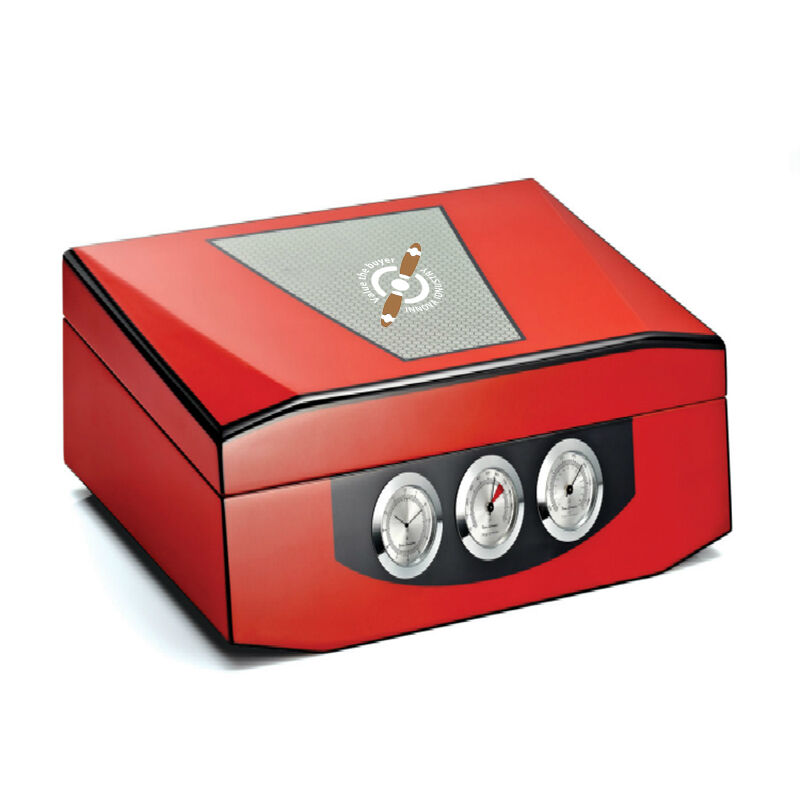
For retailers operating in the premium tobacco market, selecting the right cigar boxes represents far more than a simple packaging decision. The presentation of cigars directly influences customer perception, purchase decisions, and long-term brand loyalty. In an industry where connoisseurs scrutinize every detail from wrapper leaf to storage conditions, the box itself becomes an integral component of the overall experience. Retailers who understand how to evaluate and select appropriate cigar boxes position themselves to differentiate their offerings, protect product integrity, and create memorable touchpoints that extend beyond the transaction itself. The selection process requires balancing functional preservation requirements with aesthetic considerations that resonate with target customers.
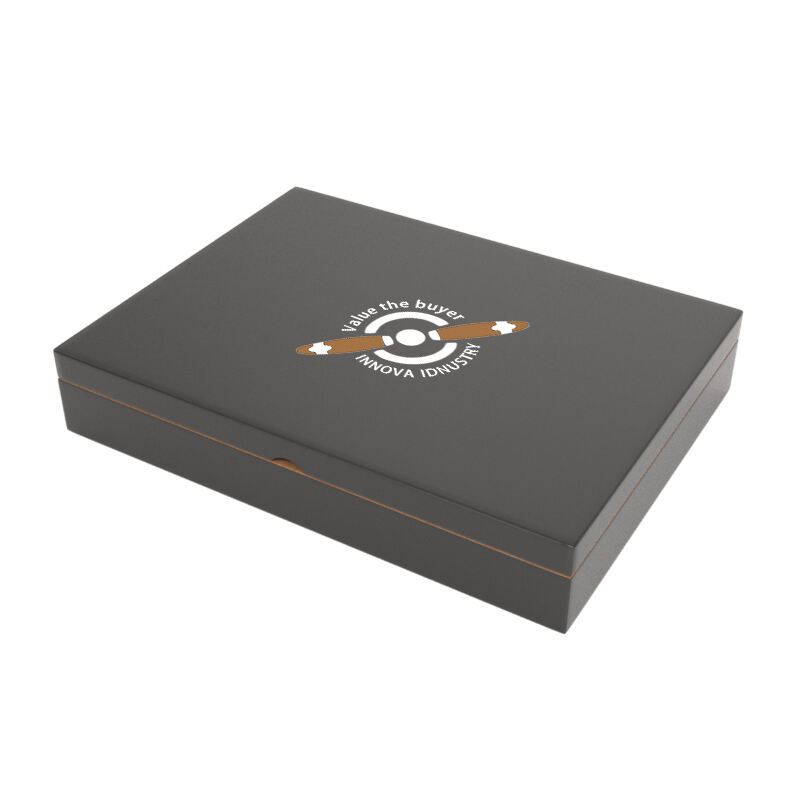
The choice of cigar boxes impacts multiple dimensions of the retail experience simultaneously. Quality packaging protects delicate tobacco products during storage and transport while communicating brand values through visual design. When customers encounter well-crafted cigar boxes, they perceive higher product value and develop stronger emotional connections to the purchase. Retailers must therefore approach box selection as a strategic decision that aligns with their market positioning, customer demographics, and operational requirements. This article explores the specific criteria retailers should evaluate when choosing cigar boxes, examining how material quality, design elements, functional features, and presentation factors collectively shape customer satisfaction and drive business outcomes.
Understanding Customer Expectations in Cigar Packaging
The Psychology of Premium Packaging Perception
Cigar enthusiasts develop sophisticated expectations regarding presentation standards that reflect the premium nature of their hobby. When customers invest in quality cigars, they anticipate packaging that matches the product's caliber, creating an unboxing experience that validates their purchase decision. Retailers must recognize that cigar boxes function as silent salespeople, communicating quality signals before customers even examine the cigars themselves. The weight, texture, finish, and construction details of packaging all contribute to perceived value, influencing whether customers view their purchase as a commodity transaction or a curated acquisition worth savoring.
Research into consumer behavior reveals that tactile interactions with packaging significantly impact satisfaction levels and repurchase intentions. High-quality cigar boxes that feel substantial in hand, feature smooth finishes, and demonstrate careful craftsmanship trigger positive emotional responses that extend to the enclosed product. Conversely, flimsy or poorly constructed boxes undermine confidence regardless of cigar quality. Retailers serving discerning customers must therefore prioritize packaging that delivers sensory satisfaction through visual appeal, pleasing textures, and reassuring structural integrity that suggests proper product protection.
Segmenting Packaging Needs by Customer Profile
Different customer segments express varying preferences regarding cigar boxes based on their experience level, consumption patterns, and lifestyle contexts. Occasional smokers purchasing cigars for special events often prioritize visual presentation and gift-worthy appearance, seeking packaging that requires minimal additional wrapping. Regular enthusiasts building personal collections favor functional features like humidity control capabilities and storage efficiency. Corporate gifting customers require packaging that projects professionalism and sophistication suitable for business contexts. Retailers serving multiple segments may need diverse packaging options that address these distinct priorities.
Understanding demographic preferences helps retailers select cigar boxes that resonate with their specific customer base. Younger consumers often appreciate contemporary design aesthetics with clean lines and minimalist branding, while traditional collectors may prefer classic wood finishes and vintage-inspired details. Geographic factors also influence preferences, with some markets favoring ornate decoration while others prioritize understated elegance. Successful retailers conduct ongoing observation of customer reactions to different packaging styles, gathering informal feedback that guides future purchasing decisions and helps refine their product presentation strategy to match evolving tastes.
Evaluating Material Quality and Construction Standards
Wood Selection and Its Impact on Product Protection
The material composition of cigar boxes fundamentally determines their ability to maintain optimal storage conditions that preserve tobacco quality. Premium wood varieties like Spanish cedar have long dominated the industry due to their natural moisture-regulating properties and aromatic qualities that complement cigar flavors. When retailers evaluate potential cigar boxes, they should assess wood thickness, grain consistency, and finish quality as indicators of protective capability. Thicker wood walls provide better insulation against temperature fluctuations, while tight grain patterns suggest density that resists warping. The interior finish particularly matters, as raw cedar continues interacting with cigars while sealed finishes may compromise humidity exchange.
Alternative materials have emerged in recent years, offering different value propositions for various retail contexts. Engineered wood products provide cost advantages while maintaining reasonable protective qualities suitable for mid-market positioning. Some manufacturers incorporate humidity-control technologies into composite materials, creating boxes with enhanced climate stability. Retailers must weigh these options against customer expectations and price points, recognizing that material choices directly communicate quality positioning. For premium segments, authentic solid wood construction remains the standard customers expect, while value-conscious shoppers may accept alternative materials if functional performance proves adequate for their storage needs.
Assessing Joinery, Hardware, and Structural Integrity
The construction methods used in assembling cigar boxes reveal much about their durability and long-term performance. Quality joinery techniques such as dovetail or mortise-and-tenon connections create stronger bonds than simple butt joints secured with glue or staples. Retailers should examine corner construction closely, looking for tight fits without gaps that might compromise seal integrity. The presence of reinforcing elements in high-stress areas indicates thoughtful engineering that extends product lifespan. Boxes intended for repeated opening and closing require particularly robust construction to withstand mechanical stress without developing loose joints or separation.
Hardware components including hinges, latches, and decorative elements contribute both to functionality and aesthetic appeal. Premium cigar boxes typically feature solid brass or stainless steel hardware that resists corrosion and maintains smooth operation over time. Retailers should test opening mechanisms to ensure they operate smoothly without excessive force while providing secure closure. Magnetic closures offer convenience but may lack the tactile satisfaction of traditional latches. The positioning and installation quality of hardware elements reflects overall manufacturing standards, with precisely fitted components indicating attention to detail that typically extends throughout the entire product.
Design Elements That Create Visual Impact
Exterior Aesthetics and Brand Alignment
The visual presentation of cigar boxes serves as a primary differentiator in retail environments where multiple brands compete for attention. Surface treatments ranging from natural wood finishes to lacquered coatings, printed graphics, and embossed details create distinct aesthetic signatures that should align with retailer brand identity. Minimalist designs with subtle branding appeal to contemporary sensibilities, while elaborate decoration attracts traditionalists seeking classic luxury cues. Retailers must select cigar boxes whose visual language reinforces their market positioning, whether emphasizing artisanal craftsmanship, modern sophistication, or heritage authenticity.
Color selection plays a crucial psychological role in customer attraction and brand recognition. Rich wood tones communicate warmth and natural quality, while darker finishes suggest exclusivity and premium positioning. Some retailers successfully employ unexpected color choices that create memorable differentiation, though such approaches require careful consideration of target audience preferences. The consistency of finish quality matters significantly, as uneven staining, rough surfaces, or visible defects undermine perceived value. Retailers should inspect sample boxes under various lighting conditions to ensure appearance remains appealing across different retail environments from well-lit display cases to ambient showroom settings.
Interior Presentation and First-Impression Management
The moment customers open cigar boxes creates a critical opportunity to exceed expectations through thoughtful interior design. Premium packaging often features contrasting interior finishes that create visual drama when lids lift, revealing carefully arranged contents. Compartmentalization elements such as dividers, raised platforms, or custom-fitted inserts elevate presentation while providing practical organization. Some advanced designs incorporate layered reveals that sequentially expose different elements as customers explore the package, extending engagement time and building anticipation.
Interior surfaces require particular attention since they directly contact cigars and significantly influence the unboxing experience. Smooth, consistent finishes without splinters or rough patches demonstrate quality control that customers associate with product integrity. Natural wood interiors allow beneficial cedar aromatics to enhance cigar aging, while lined interiors may incorporate branding elements or informational content. Retailers should consider how interior aesthetics complement their specific cigar presentations, ensuring visual coherence between packaging and product that reinforces quality perceptions and justifies premium pricing strategies.
Functional Features That Support Product Integrity
Humidity Management and Climate Control Capabilities
Maintaining appropriate humidity levels represents the most critical functional requirement for cigar boxes intended for storage rather than immediate consumption. Traditional Spanish cedar construction provides natural humidity buffering that helps stabilize conditions within sealed boxes, though effectiveness varies with wood quality and thickness. Retailers serving serious collectors should prioritize cigar boxes with proven humidity retention characteristics, potentially including integrated hygrometers that allow customers to monitor conditions without opening the box. Some advanced designs incorporate humidification systems with refillable reservoirs or gel packs that actively maintain optimal moisture levels.
The seal quality between lid and body directly determines a box's ability to maintain stable internal conditions despite external climate variations. Retailers should test closure tightness, looking for consistent contact around the entire perimeter without gaps that permit air exchange. Precision-fitted lids create the necessary seal without requiring excessive force to close or open. Some manufacturers incorporate gaskets or weatherstripping to enhance seal effectiveness, particularly valuable in environments with significant humidity fluctuations. Understanding local climate conditions helps retailers select cigar boxes with appropriate sealing characteristics that protect products without introducing unnecessary complexity or cost.
Size, Capacity, and Configuration Versatility
Cigar boxes arrive in numerous size configurations designed to accommodate different quantities and cigar dimensions. Retailers must match box capacity to their typical customer purchase patterns, avoiding oversized packaging that dwarfs small purchases or undersized options that crowd premium cigars. Standard configurations include single-row boxes for sampler sets, multi-row options for collection building, and specialized formats for particular cigar shapes like torpedos or figurados. Some versatile designs feature adjustable dividers that allow customization for mixed purchases, providing flexibility that enhances customer convenience.
The interior layout should facilitate easy access without requiring customers to disturb multiple cigars when selecting one for smoking. Well-designed cigar boxes position contents for visual appeal while maintaining practical accessibility, often incorporating slight elevation or spacing that allows fingertip retrieval. Depth considerations matter particularly for longer cigars that may protrude or require angled placement. Retailers serving customers who frequently transport cigars should prioritize boxes with secure interior retention features that prevent shifting during movement, protecting delicate wrappers from damage that diminishes smoking quality and customer satisfaction.
Strategic Sourcing and Vendor Selection Considerations
Balancing Quality Standards with Budget Constraints
Retailers face ongoing tension between desired quality levels in cigar boxes and economic realities that constrain packaging budgets. Premium wooden boxes with superior construction and finishing can represent significant per-unit costs that must be recovered through product pricing or absorbed as marketing investment. Developing clear quality hierarchies allows retailers to match packaging investment to product tier, reserving highest-quality boxes for premium offerings while selecting cost-effective options for entry-level products. This segmentation strategy communicates value differentiation to customers while maintaining financial sustainability across the product portfolio.
Negotiating favorable terms with packaging suppliers requires understanding manufacturing economics and order volume dynamics. Larger commitments typically unlock per-unit discounts, though retailers must balance savings against inventory carrying costs and market demand uncertainty. Some vendors offer tiered pricing structures that reward loyalty while providing flexibility for seasonal volume fluctuations. Retailers should explore customization options that add distinctive branding elements without dramatically increasing costs, such as laser engraving or selective printing that creates differentiation at manageable price premiums compared to fully custom manufacturing.
Evaluating Vendor Reliability and Supply Chain Stability
Consistent availability of cigar boxes matters tremendously for retailers maintaining regular inventory turnover and fulfilling customer expectations. Vendor reliability encompasses on-time delivery performance, consistent product quality across production runs, and responsive communication when issues arise. Retailers should request references and conduct due diligence regarding supplier production capacity, particularly for customized boxes requiring specific lead times. Establishing relationships with multiple qualified vendors creates supply chain resilience that protects against disruptions while providing negotiating leverage and access to diverse design capabilities.
Quality control processes employed by packaging manufacturers directly impact the consistency retailers experience across successive orders. Reputable suppliers maintain documented specifications, conduct in-process inspections, and stand behind their products with reasonable warranty terms. Retailers should request samples from multiple production batches to assess consistency, examining finish quality, dimensional accuracy, and hardware performance across units. Understanding a vendor's quality management systems and willingness to address defects builds confidence in long-term partnership viability, reducing risk of customer disappointment due to packaging failures or substandard presentation.
Presentation Strategies That Maximize Retail Impact
Display Techniques That Showcase Packaging Quality
The retail environment significantly influences how effectively cigar boxes communicate value and attract customer interest. Strategic display positioning that places premium boxes at eye level in well-lit locations maximizes visibility while allowing customers to appreciate craftsmanship details. Open display formats that permit tactile interaction encourage customers to handle boxes, triggering the positive sensory responses that drive purchase decisions. Some retailers create dedicated presentation areas featuring opened boxes that reveal interior design and contents arrangement, effectively demonstrating the complete experience customers will receive.
Lighting choices dramatically affect perceived quality of cigar boxes, with warm color temperatures enhancing natural wood tones while cooler lighting may emphasize contemporary finishes. Spotlighting techniques that create subtle shadows can accentuate dimensional details like embossing or hardware elements, adding visual interest that draws attention across the retail space. Retailers should experiment with various lighting angles and intensities to identify optimal presentation conditions for their specific box styles. Background materials and colors in display fixtures should complement rather than compete with packaging aesthetics, creating cohesive visual compositions that elevate perceived value.
Staff Training and Customer Education Approaches
Sales associates represent crucial intermediaries who translate packaging features into customer benefits through informed conversations. Training staff to articulate how specific cigar boxes enhance storage, protect quality, and deliver aesthetic satisfaction empowers them to justify premium pricing and guide selection decisions. Associates should understand material properties, construction techniques, and functional features well enough to answer technical questions confidently while highlighting aspects most relevant to individual customer needs and preferences.
Educational content that explains packaging choices helps customers appreciate value beyond superficial appearance. Point-of-sale materials describing Spanish cedar benefits, humidity control principles, or craftsmanship details validate purchasing decisions while positioning retailers as knowledgeable advisors rather than mere product vendors. Some successful retailers host events or workshops that incorporate packaging education alongside cigar appreciation, creating engagement opportunities that build community and loyalty. Digital content including website descriptions, social media posts, and email communications can reinforce messaging about packaging quality, extending customer education beyond in-store interactions.
FAQ
What makes Spanish cedar the preferred material for premium cigar boxes?
Spanish cedar possesses natural properties that make it ideal for cigar storage and presentation. The wood naturally regulates humidity by absorbing excess moisture when conditions are damp and releasing it when environments become dry, helping maintain stable conditions that preserve cigar quality. Its aromatic oils complement rather than overpower tobacco flavors while providing natural resistance to insects that might otherwise damage stored cigars. The wood's relatively soft texture allows easy machining for precise joinery while its attractive grain patterns and warm coloring create appealing aesthetics. These combined characteristics explain why Spanish cedar remains the gold standard despite higher costs compared to alternative materials, particularly for retailers positioning themselves in premium market segments where customers expect traditional quality markers.
How can retailers determine appropriate humidity levels for cigar boxes?
Optimal humidity for cigar storage typically ranges between 65-72 percent relative humidity, with most experts recommending approximately 70 percent as ideal for maintaining wrapper integrity and smoking characteristics. Retailers should provide guidance helping customers understand that boxes with good sealing characteristics maintain these levels more consistently than poorly constructed alternatives. For boxes including hygrometers, staff should explain proper calibration procedures and reading interpretation. Retailers might consider providing humidity monitoring devices or offering periodic calibration services as value-added customer support. Understanding that different cigar types may have slightly varying optimal humidity ranges allows knowledgeable retailers to provide nuanced guidance that demonstrates expertise and builds customer confidence in both product and packaging recommendations.
Should retailers invest in custom-branded cigar boxes or select generic options?
The decision between custom-branded and generic cigar boxes depends on business positioning, target market characteristics, and available budget for packaging investment. Custom branding creates distinctive identity that enhances recognition, communicates professionalism, and transforms packaging into ongoing marketing assets that reinforce brand presence beyond initial purchase. For retailers building premium reputations or targeting gift purchasers who value presentation, custom boxes justify their incremental cost through differentiation and perceived value enhancement. However, smaller retailers or those serving price-sensitive segments may find generic quality boxes provide adequate functionality without custom investment. A hybrid approach using selectively applied branding elements like labels or bands on quality generic boxes offers middle-ground solutions that balance distinctiveness with cost management.
What warranty or quality guarantees should retailers expect from cigar box suppliers?
Reputable cigar box manufacturers typically stand behind their craftsmanship with warranties covering defects in materials and construction for reasonable periods, often ranging from six months to two years depending on product tier. Retailers should clarify what specific issues warranties cover, such as joint separation, hardware failure, warping, or finish defects, and understand claim procedures before committing to suppliers. Quality guarantees might include commitments to replace defective units or provide credit toward future orders when problems arise. The willingness of suppliers to address quality concerns and their responsiveness to issues provides important signals about partnership reliability. Retailers should document warranty terms in writing and maintain records of any quality problems to support claims while building knowledge about supplier performance that informs future purchasing decisions.
Table of Contents
- Understanding Customer Expectations in Cigar Packaging
- Evaluating Material Quality and Construction Standards
- Design Elements That Create Visual Impact
- Functional Features That Support Product Integrity
- Strategic Sourcing and Vendor Selection Considerations
- Presentation Strategies That Maximize Retail Impact
-
FAQ
- What makes Spanish cedar the preferred material for premium cigar boxes?
- How can retailers determine appropriate humidity levels for cigar boxes?
- Should retailers invest in custom-branded cigar boxes or select generic options?
- What warranty or quality guarantees should retailers expect from cigar box suppliers?