EN
EN



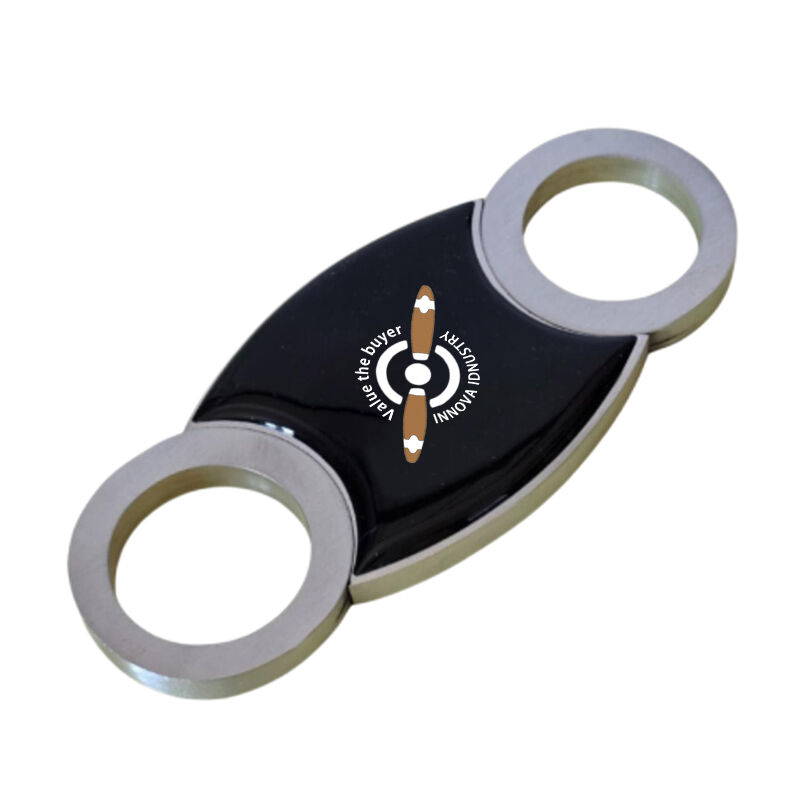
The retail cigar industry demands precision tools that deliver consistent performance while maintaining ease of use for both staff and customers. Cigar cutter knives represent a critical component in the cigar preparation process, requiring specific design considerations that enhance functionality, durability, and user experience. Modern retailers increasingly recognize that the quality and design of their cutting tools directly impact customer satisfaction and operational efficiency.
Professional cigar cutting requires tools that balance sharpness with safety, precision with durability. The design elements that distinguish superior cutting implements from standard alternatives often determine the success of retail operations. Understanding these critical features enables retailers to make informed purchasing decisions that enhance both employee productivity and customer experience throughout the cigar preparation process.
Blade Geometry and Cutting Precision
Optimal Blade Angles for Clean Cuts
The angle at which cigar cutter knives are manufactured significantly influences their cutting performance and longevity. Professional-grade blades typically feature angles between 20 to 30 degrees, providing the ideal balance between sharpness and edge retention. This specific geometry ensures clean cuts through various cigar wrapper materials without crushing or tearing the tobacco leaves.
Retailers benefit from blades with consistent angle maintenance, as this reduces the frequency of sharpening requirements and maintains cutting quality over extended periods. The precision achieved through proper blade geometry directly translates to customer satisfaction, as clean cuts preserve the cigar's structural integrity and smoking characteristics.
Advanced manufacturing techniques allow for micro-beveled edges that enhance cutting efficiency while reducing the force required for operation. This design consideration becomes particularly important in high-volume retail environments where staff perform numerous cuts throughout the day.
Blade Material Selection and Durability
High-carbon stainless steel represents the preferred material for professional cigar cutting applications due to its superior hardness retention and corrosion resistance. The material composition directly affects the blade's ability to maintain sharpness through repeated use while resisting the oils and moisture present in tobacco products.
Premium blade materials undergo specialized heat treatment processes that enhance their molecular structure, resulting in improved edge retention and reduced maintenance requirements. These metallurgical advances enable retailers to achieve consistent cutting performance while minimizing operational downtime for blade maintenance.
The surface finish applied to blade materials also contributes to cutting performance, with polished surfaces reducing friction and preventing tobacco residue adhesion. This design feature simplifies cleaning procedures and maintains hygiene standards essential for retail food service applications.
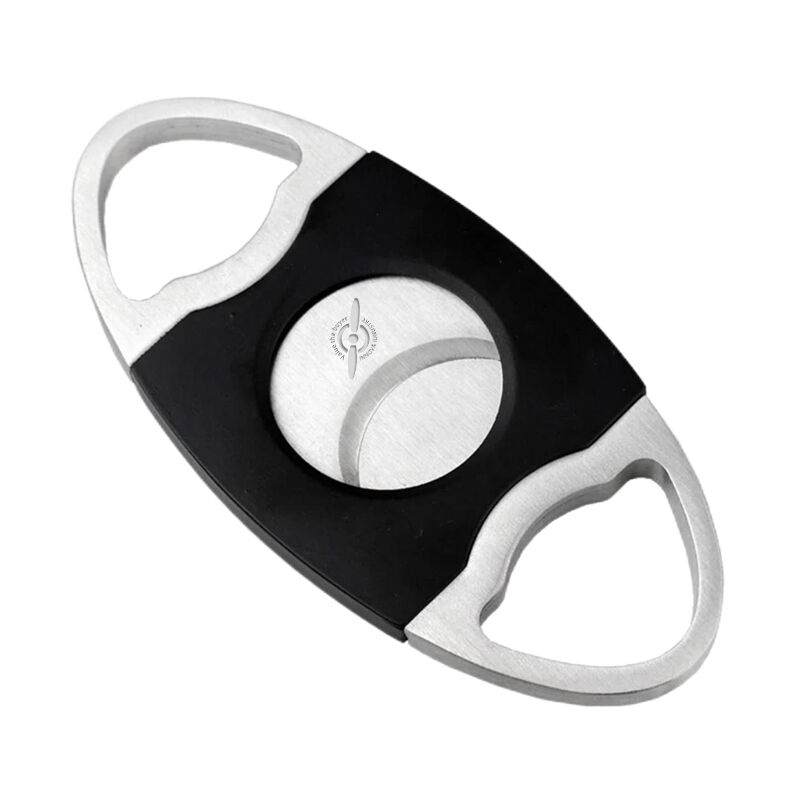
Ergonomic Handle Design and User Comfort
Grip Configuration and Hand Positioning
Ergonomic handle design plays a crucial role in operator comfort and cutting accuracy, particularly during extended use periods common in retail environments. The handle shape must accommodate various hand sizes while providing secure grip control that prevents slippage during operation. Contoured surfaces that follow natural hand curves reduce fatigue and improve cutting precision.
Textured grip surfaces enhance control while preventing moisture accumulation that could compromise handling safety. The strategic placement of finger grooves and thumb rests enables operators to maintain consistent hand positioning, resulting in uniform cut quality across multiple cigars.
Weight distribution within the handle assembly affects overall tool balance and reduces wrist strain during repetitive cutting motions. Well-designed handles incorporate materials and construction methods that optimize the center of gravity for natural, comfortable operation.
Material Selection for Handle Construction
Handle materials must withstand frequent cleaning while maintaining their structural integrity and appearance over time. Food-grade polymers and composite materials offer excellent durability combined with easy maintenance, essential characteristics for retail environments subject to health department inspections.
Non-porous handle materials prevent bacterial growth and odor retention, important considerations for maintaining sanitary conditions in cigar retail operations. These materials also resist staining from tobacco oils and can be effectively sanitized using standard cleaning protocols.
Some premium handles incorporate antimicrobial additives that provide continuous protection against bacterial and fungal growth, offering an additional layer of hygiene assurance for health-conscious retailers and customers.
Safety Mechanisms and Operational Controls
Blade Guards and Protection Systems
Integrated safety mechanisms protect both operators and customers from accidental contact with sharp blade edges during storage and transport. Retractable blade guards or spring-loaded covers ensure that cutting surfaces remain protected when not in use, reducing injury risks and preserving blade sharpness.
Locking mechanisms that secure blades in both open and closed positions provide additional safety assurance while preventing accidental activation. These systems must operate smoothly and reliably even after extended use and exposure to tobacco residues that might otherwise interfere with mechanical components.
Visual indicators that clearly show blade position help operators and customers understand the tool's current state, reducing confusion and potential safety hazards. Color-coded components or position markers enhance situational awareness in busy retail environments.
Force Control and Cutting Resistance
Controlled cutting force mechanisms prevent over-compression that could damage cigar wrappers or create uneven cuts. Spring-loaded systems or mechanical stops limit the maximum pressure applied during cutting operations, ensuring consistent results regardless of operator technique.
Adjustable pressure settings accommodate different cigar types and wrapper materials, from delicate Connecticut shade wrappers to robust maduro leaves. This versatility enables retailers to use a single cutting tool for their entire cigar inventory while maintaining optimal cut quality.
Smooth operating mechanisms reduce the physical effort required for cutting operations, minimizing operator fatigue during busy periods. Well-engineered cigar cutter knives should operate effortlessly while delivering precise, professional results.
Maintenance and Cleaning Considerations
Disassembly and Component Access
Modular design features that allow partial disassembly facilitate thorough cleaning and maintenance procedures essential for retail food service compliance. Removable components should separate easily without specialized tools while maintaining secure assembly during normal operation.
Access to internal mechanisms enables operators to remove tobacco particles and oils that accumulate during use, preventing performance degradation and maintaining hygiene standards. Design elements that minimize crevices and hard-to-reach areas simplify cleaning procedures and reduce maintenance time.
Clear assembly instructions and intuitive component relationships ensure that staff can properly maintain equipment without extensive training. Foolproof reassembly features prevent incorrect installation that could compromise safety or performance.
Cleaning Protocol Compatibility
Material compatibility with standard cleaning and sanitizing agents ensures that maintenance procedures align with existing retail protocols. Components must withstand repeated exposure to alcohol-based cleaners, quaternary ammonium compounds, and other sanitizing solutions without degradation.
Smooth surface finishes and sealed joints prevent cleaning solution penetration into internal mechanisms where they might cause corrosion or interfere with operation. These design considerations extend tool life while maintaining consistent performance standards.
Quick-drying characteristics reduce downtime between cleaning cycles, ensuring that cutting tools remain available for customer service throughout operating hours. Efficient moisture evacuation prevents bacterial growth in residual dampness.
Durability and Performance Longevity
Mechanical Wear Resistance
High-cycle testing ensures that cutting mechanisms maintain their precision and smooth operation through thousands of cutting cycles typical in retail environments. Wear-resistant materials and surface treatments extend component life while preserving original performance characteristics.
Replaceable wear components allow retailers to maintain peak cutting performance without complete tool replacement, reducing long-term operational costs. Modular design approaches enable targeted component replacement as individual parts reach their service limits.
Self-lubricating materials or sealed bearing systems reduce maintenance requirements while ensuring consistent operation over extended periods. These advanced materials minimize friction-related wear while maintaining smooth, precise cutting action.
Environmental Resistance Features
Humidity resistance prevents corrosion and mechanical binding in climate-controlled retail environments where moisture levels may fluctuate. Protective coatings and material selections must account for the varying environmental conditions typical in cigar storage and retail areas.
Temperature stability ensures consistent cutting performance across seasonal variations and different storage conditions. Materials and lubricants must maintain their properties within the temperature ranges encountered in typical retail operations.
Resistance to tobacco oils and other organic compounds prevents degradation of seals, gaskets, and other critical components that could compromise tool performance or safety over time.
FAQ
What blade materials provide the best longevity for commercial cigar cutting applications
High-carbon stainless steel alloys offer the optimal combination of edge retention, corrosion resistance, and ease of maintenance for commercial cigar cutting. These materials maintain sharpness through extended use while resisting the oils and acids present in tobacco products. Premium grades undergo specialized heat treatment that enhances hardness and durability beyond standard stainless steel options.
How often should professional cigar cutting tools undergo maintenance cleaning
Daily cleaning represents the minimum standard for retail cigar cutting tools, with deep cleaning and inspection recommended weekly or after every 100 cutting cycles. Tobacco residue and oils accumulate quickly during normal use, potentially affecting cutting performance and creating hygiene concerns. Regular maintenance prevents buildup that could compromise blade sharpness or mechanical operation.
What safety features are most important for retail cigar cutting equipment
Blade guards, locking mechanisms, and controlled cutting force represent essential safety features for retail applications. These systems protect both staff and customers from accidental injury while ensuring consistent cutting results. Visual position indicators and intuitive operation controls reduce user error and enhance overall safety in busy retail environments.
Can adjustable cutting mechanisms accommodate different cigar sizes and wrapper types
Modern professional cigar cutters incorporate adjustable mechanisms that accommodate ring gauges from 32 to 60 while maintaining optimal cutting performance across various wrapper materials. Pressure control systems prevent over-compression of delicate wrappers while ensuring clean cuts through thicker, more robust tobacco leaves. This versatility eliminates the need for multiple cutting tools in most retail applications.
Table of Contents
- Blade Geometry and Cutting Precision
- Ergonomic Handle Design and User Comfort
- Safety Mechanisms and Operational Controls
- Maintenance and Cleaning Considerations
- Durability and Performance Longevity
-
FAQ
- What blade materials provide the best longevity for commercial cigar cutting applications
- How often should professional cigar cutting tools undergo maintenance cleaning
- What safety features are most important for retail cigar cutting equipment
- Can adjustable cutting mechanisms accommodate different cigar sizes and wrapper types